








The Lifeline of the Nation
For centuries, the Indian subcontinent has danced to the rhythm of the monsoon. This annual weather phenomenon is more than just rain; it is the country's true finance minister. It replenishes reservoirs, recharges groundwater, and, most critically, sustains
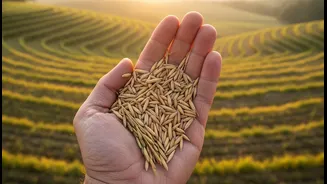
the agricultural sector, which employs a vast portion of the population. The entire kharif (summer) cropping season, which includes essentials like rice, pulses, and vegetables, is overwhelmingly dependent on the timely arrival and adequate distribution of these seasonal rains. A healthy monsoon translates to bountiful harvests, stable rural incomes, and controlled food prices, forming the backbone of economic stability.
From Sparse Clouds to Empty Shelves
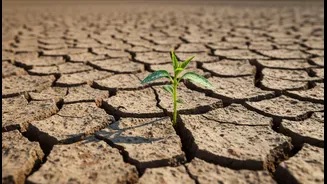
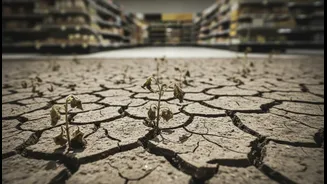
When the monsoon falters, the dominoes begin to fall. A rainfall deficit, like the significant shortfall seen in June 2026, immediately impacts farming operations. With more than half of India's agricultural land still being rain-fed, a lack of water means delays in sowing or, in severe cases, farmers choosing not to plant at all. This directly shrinks the potential harvest size. Crops that are planted face moisture stress, leading to lower yields and poorer quality. The impact is most immediate on perishable goods like vegetables. Since they cannot be stored for long, even a minor disruption in supply due to erratic weather can cause prices of staples like tomatoes and onions to spike almost overnight.
The Journey to Your Kitchen
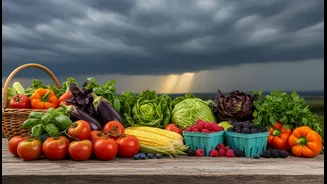
The price you pay is the last link in a long chain. Lower production on the farm means less produce arrives at the wholesale markets, or mandis. With supply tightened, competition among buyers increases, pushing up wholesale prices. This increase is then passed down through the supply chain, from the wholesaler to the local vendor, and ultimately, to you, the consumer. Recent reports already show how the cost of a standard home-cooked meal, or thali, has risen, driven primarily by pricier vegetables. A weak monsoon can mean a middle-income urban family spends hundreds or even thousands of rupees more each month on groceries.
It's Not Just Vegetables
While vegetables show the most immediate price volatility, the impact of a poor monsoon is far broader. Deficient rains reduce the output of key staples like pulses (dals) and oilseeds, which are more vulnerable to rainfall shocks. This can necessitate increased imports, affecting the country's trade balance and currency. Even the price of milk is connected to the monsoon, as less rain means less fodder for cattle, raising feed costs for dairy farmers. Furthermore, a poor agricultural season depresses rural incomes, which in turn reduces demand for everything from two-wheelers to fast-moving consumer goods, causing a ripple effect across the entire economy.
The New Normal of Climate Volatility
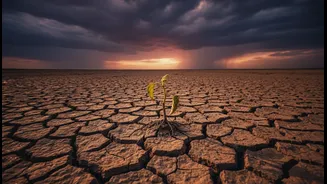
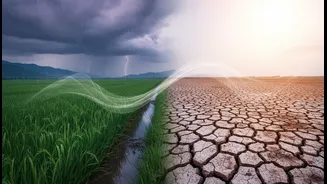
What India is experiencing is not a one-off bad year but a glimpse into a more volatile future. Climate change is making the monsoon more erratic—not just weaker, but also marked by long dry spells punctuated by extreme downpours, which can cause flooding and damage standing crops. The timing of the monsoon is becoming less predictable, disrupting a planting calendar that has been followed for generations. This unpredictability, this collapse of seasonal rhythm, is the new challenge. While the government has contingency plans and buffer stocks of grains, the increasing frequency of these weather shocks will test the nation's resilience. For the average household, this climate uncertainty translates directly into budget uncertainty.