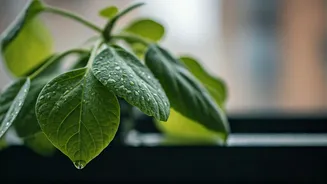






What Exactly Is This Garden Secret?
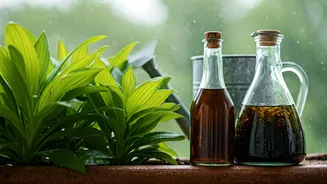
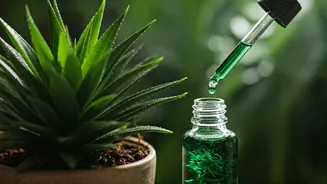
Liquid seaweed is not a traditional fertilizer, but a powerful 'biostimulant'. It’s an organic extract derived from various species of seaweed, most commonly Ascophyllum nodosum, which grows in cold, nutrient-rich ocean waters. This 'liquid gold' is packed
with over 60 vitamins, minerals, and growth hormones like cytokinins, auxins, and gibberellins. Unlike N-P-K fertilizers that directly feed the plant, seaweed extract works by improving the plant's overall health and vigour, making it more resilient to environmental stress. Think of it less as a meal and more as a supercharged multivitamin that strengthens your plant's internal defence systems from the roots up.
Why High Humidity Is a Plant Killer
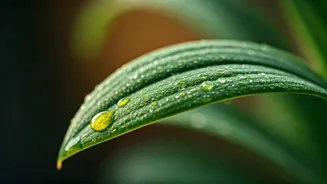
To understand why seaweed is so effective, we first need to appreciate how humidity harms plants. During periods of high humidity, such as the Indian monsoon, the air is saturated with water vapour. This slows down transpiration, the process where plants release water vapour through their leaves. When transpiration slows, the plant’s ability to draw water and nutrients from the soil is hampered. This stagnant, damp environment becomes a perfect breeding ground for fungal diseases like powdery mildew, black spot, and root rot. The leaves may feel limp, new growth might be stunted, and the plant generally looks weak and unhappy, even if you're watering it correctly.
How Seaweed Builds a Natural Shield
This is where our liquid secret comes in. Liquid seaweed helps plants combat humidity stress in several key ways. First, it strengthens the plant's cell walls, creating a tougher physical barrier against fungal spore penetration. Second, the natural hormones in the extract stimulate root growth. A stronger, more extensive root system is more efficient at absorbing nutrients and water, even when transpiration is sluggish. Finally, seaweed extract triggers a plant's natural defence mechanisms, a process known as 'Systemic Acquired Resistance' (SAR). This essentially puts the plant's immune system on high alert, making it better equipped to fight off potential infections before they take hold. It doesn’t stop the humidity, but it arms the plant to survive it.
How to Use It Correctly
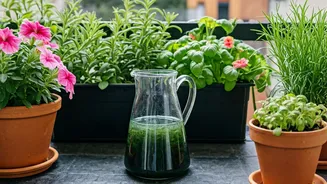
Using liquid seaweed is simple, but the method matters. You have two main options: a foliar spray or a soil drench.
**Foliar Spray:** This is the most direct way to combat leaf-based fungal issues. Dilute the concentrate according to the package instructions (usually a very small amount, like 1-2 ml per litre of water). Spray the leaves, both top and bottom, in the early morning or late evening to avoid leaf burn. This allows for rapid absorption of nutrients and defensive compounds directly where they are needed.
**Soil Drench:** Watering your plants with a diluted seaweed solution nourishes the root zone. This is excellent for promoting a robust root system and improving the soil's microbial activity.
For best results during humid seasons, alternate between a foliar spray once every two weeks and a soil drench once a month.
Which Plants Benefit Most?
While nearly all plants can benefit from the health-boosting properties of seaweed, some are particularly grateful for the help in humid weather. Roses, which are highly susceptible to black spot and powdery mildew, show increased resistance. Succulents and cacti, which are prone to rot in damp conditions, benefit from the root-strengthening effects. Vegetables like tomatoes and gourds, often plagued by fungal blights during the monsoon, can produce a healthier crop. Even your indoor plants, from delicate ferns to sturdy money plants, will appreciate the boost to their resilience in a stuffy, humid room.