

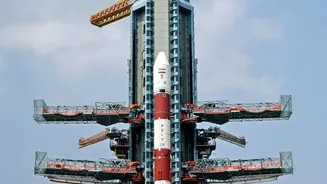


A Policy Shift Ignites a New Industry
The game changed with the introduction of the Indian Space Policy in 2023. This landmark policy formally opened the doors for private companies, or Non-Government Entities (NGEs), to participate in end-to-end space activities. Before this, the sector
was almost entirely the domain of the Indian Space Research Organisation (ISRO). To facilitate this transition, the government established the Indian National Space Promotion and Authorisation Centre (IN-SPACe) in 2020. IN-SPACe acts as a single-window agency to promote, authorise, and supervise the activities of these new private players, streamlining what was once a complex process. This has unleashed a wave of innovation and investment, with the number of Indian space startups soaring from just a handful to over 400 by 2026.
ISRO's New Role: Mentor, Not Competitor
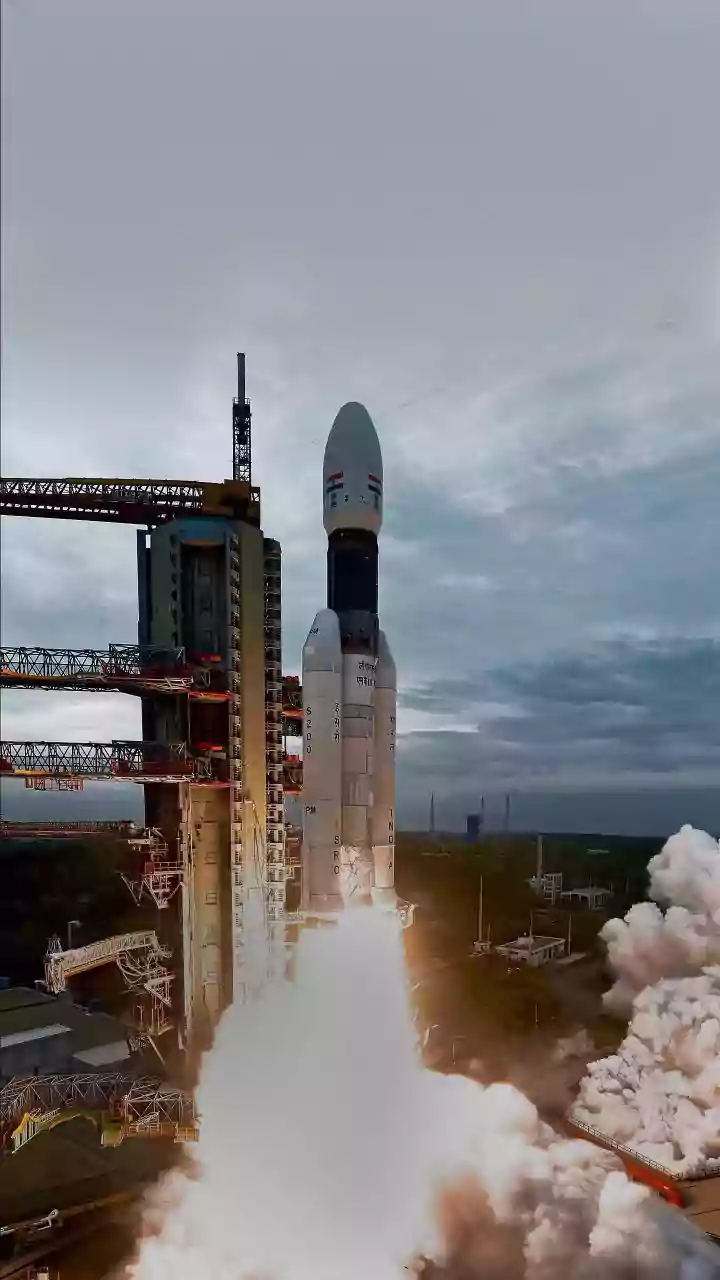
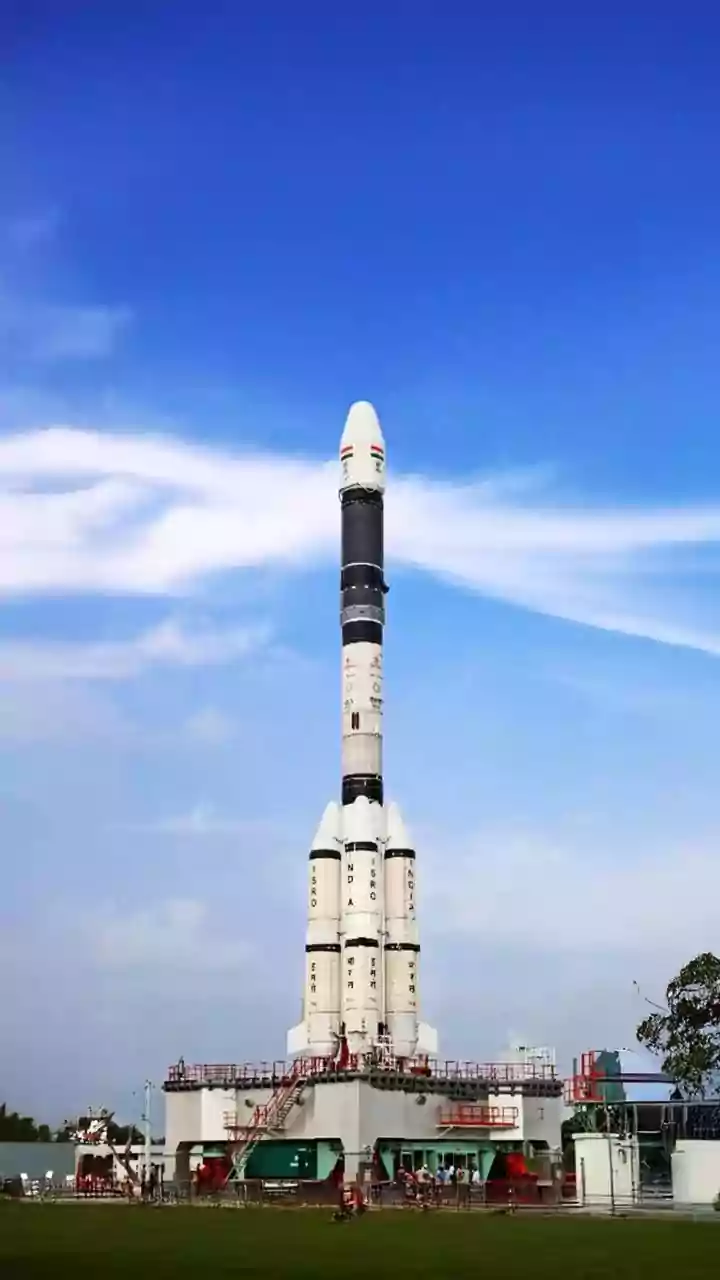
A crucial part of the new policy is that it redefines ISRO's role. Instead of being the sole builder and operator of everything space-related, ISRO is now transitioning to focus on advanced research and development, deep-space missions like planetary exploration, and strategic national projects. Routine activities like manufacturing launch vehicles and satellites are increasingly being handled by the private sector. ISRO Chairman V Narayanan has clarified that the goal is to expand India's overall space capacity, not privatise the agency. ISRO now acts as a mentor, transferring technology and allowing private firms to use its world-class testing facilities and launchpads. This collaborative model is essential, as India's demand for launches is projected to grow substantially, requiring a combined effort from both public and private sectors to meet the need.
The New Jobs on the Final Frontier
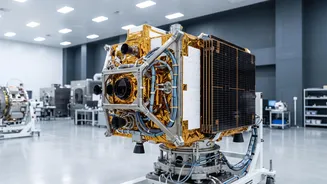
The rise of private firms like Skyroot Aerospace, Agnikul Cosmos, and Pixxel has created a diverse job market that goes far beyond traditional aerospace engineering. While rocket scientists are still in demand, these companies are also hiring for a wide array of specialised roles. There is a growing need for software engineers to develop flight systems, data scientists to analyse satellite imagery, and electronics engineers for avionics and communication systems. Other emerging roles include propulsion engineers, robotics specialists, and experts in materials science and 3D printing, a technology used by companies like Agnikul Cosmos for engine manufacturing. This diversification means that engineers from disciplines like computer science, mechanical engineering, and electronics now have viable and exciting career paths in the space industry.
Different Skills for a Different Mission
Working at a space startup requires a different mindset compared to a large government institution. These private companies are building lean, fast-moving organisations where cross-functional teams are the norm. Engineers are often expected to work across the full lifecycle of a product, from design to testing and deployment, offering broader responsibilities early in their careers. This environment fosters skills in rapid prototyping, agile project management, and a commercially-focused approach to engineering. While ISRO has an invaluable concentration of mission experience, especially in complex systems integration, startups offer a dynamic culture where individual contributions have a more immediate and visible impact. This has created a new appeal for young engineers who want to see their work fly in months, not years.