
Understanding Monsoon Access
Before packing your bags, it's important to know that the monsoon changes how parks operate. To protect wildlife during their breeding season and ensure visitor safety on slippery or flooded trails, most national parks close their core zones from roughly
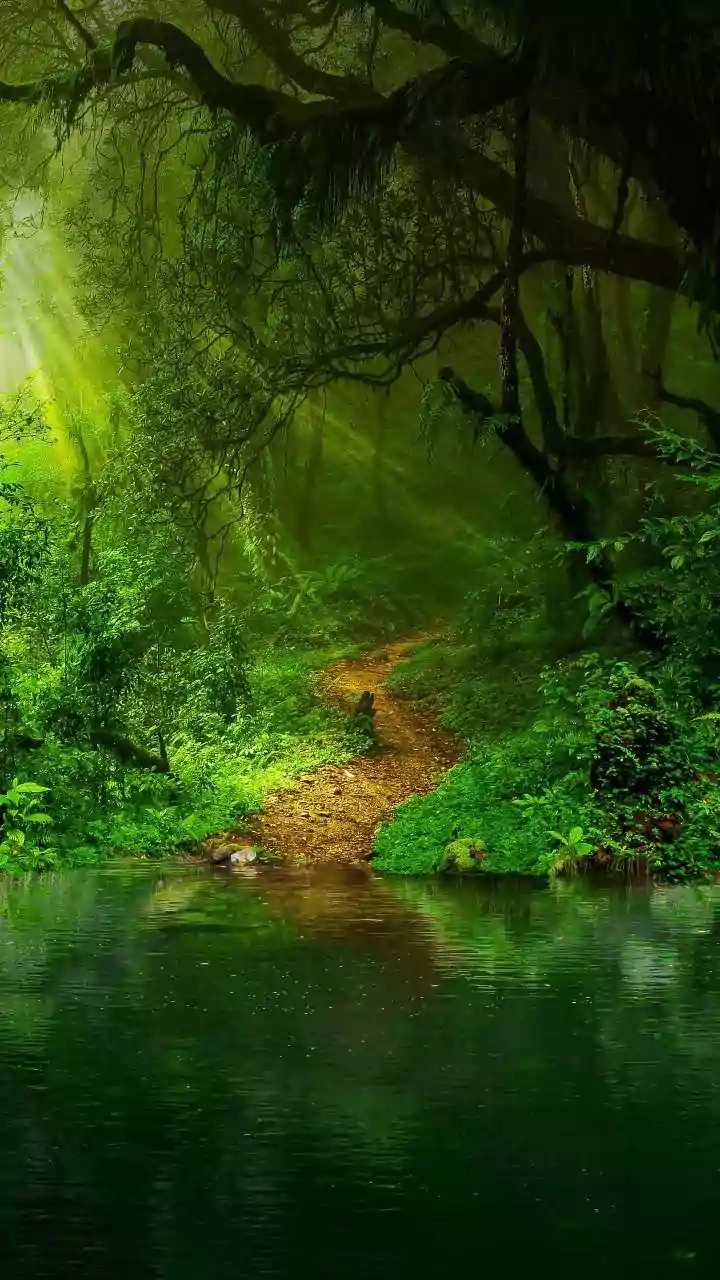
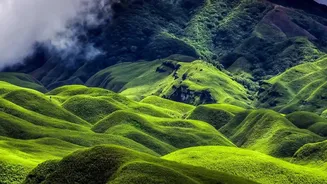
July to September. However, the adventure doesn't stop. Many premier parks keep their surrounding buffer zones open for safaris year-round. These areas are teeming with life and offer a more serene, less crowded experience amidst breathtakingly green landscapes. The key is to check which zones are accessible before you go.
Periyar National Park, Kerala
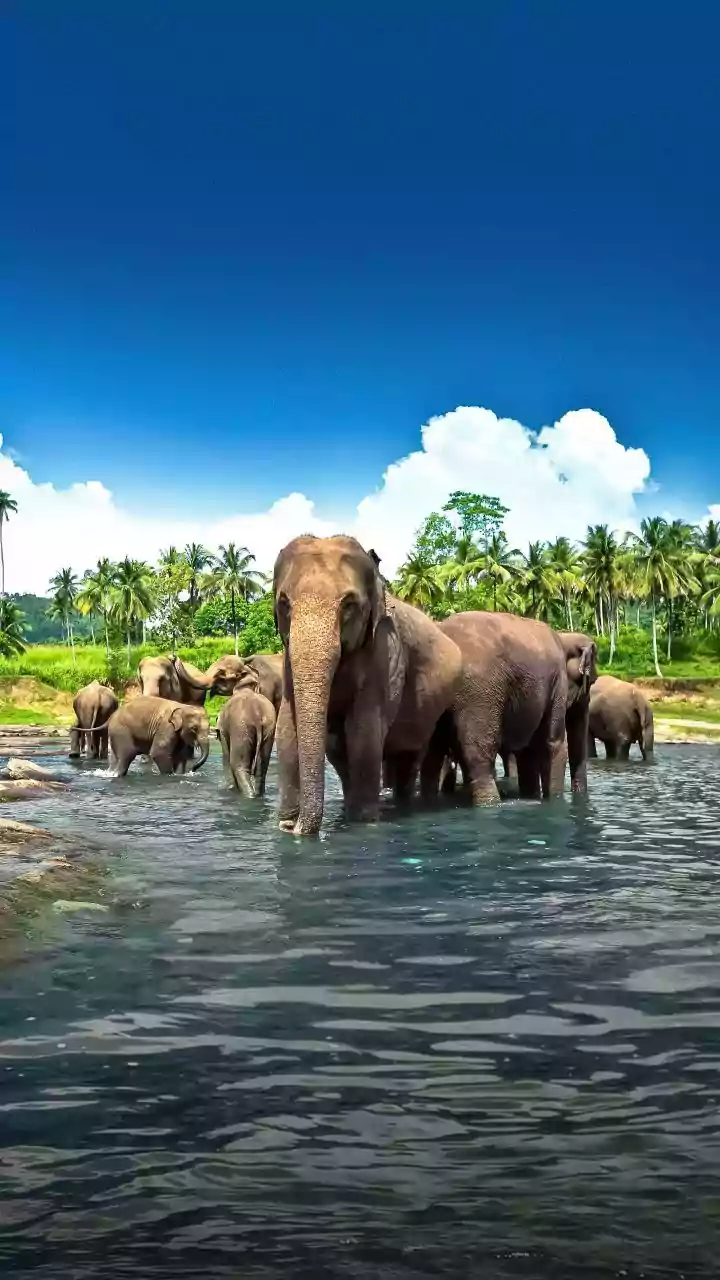
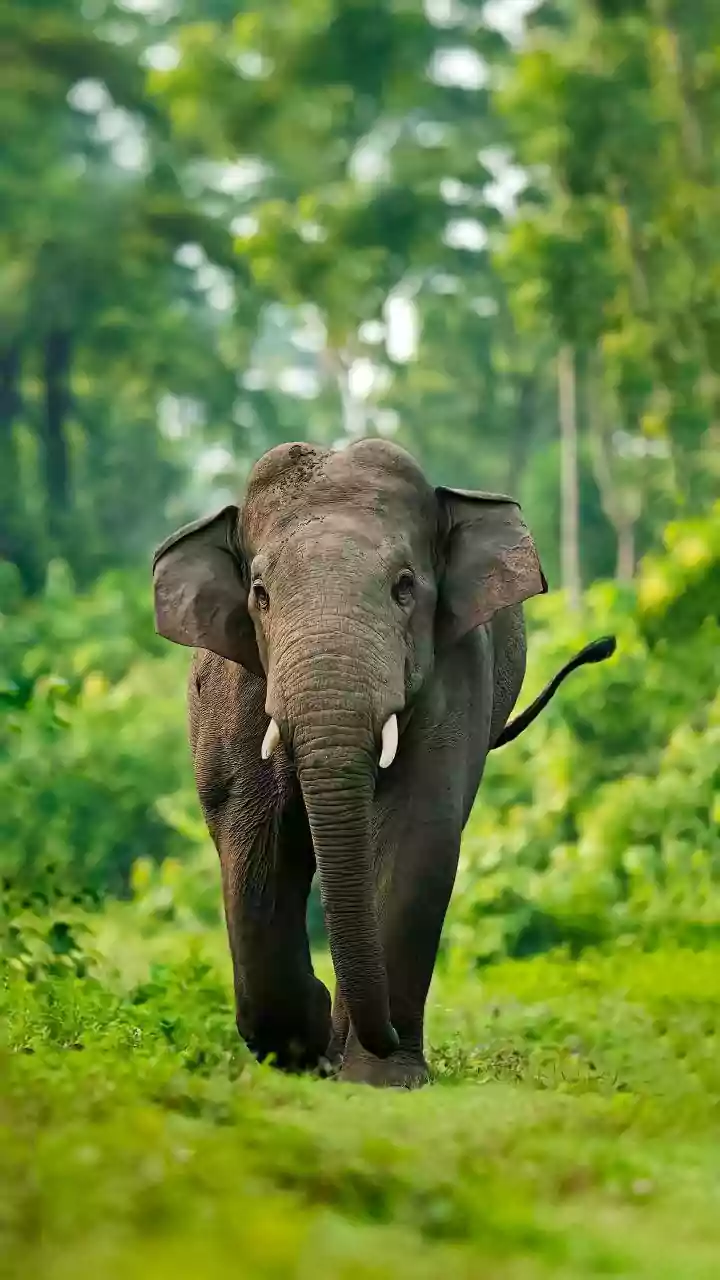
Nestled in the Western Ghats, Periyar is a destination that truly shines during the monsoon. Unlike many other reserves, it remains open throughout the year and is especially scenic when the rains arrive. The forests become intensely green, and the central Periyar Lake, popular for its boat rides, fills to the brim. This is the best way to see wildlife, as animals like elephants, sambar deer, and gaur are often spotted grazing along the misty shoreline. The experience is tranquil and offers a unique perspective on the rejuvenated landscape of the south.
Valley of Flowers National Park, Uttarakhand
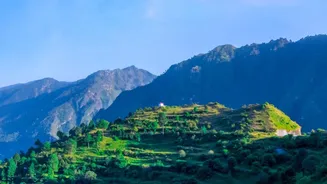
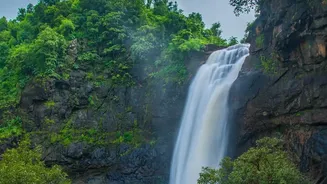
For trekking enthusiasts, the Valley of Flowers is a legendary monsoon destination. This UNESCO World Heritage site is only accessible from June to October, with its floral bloom peaking between July and August. Following the rains, the valley transforms into a vibrant carpet of hundreds of flower species, set against a backdrop of dramatic, cloud-covered Himalayan peaks. The moderate trek to the valley is as beautiful as the destination itself, winding through lush greenery and past cascading waterfalls. It is one of India's most beautiful seasonal sights.
Kabini Wildlife Sanctuary, Karnataka
Part of the larger Nagarhole National Park, Kabini is another South Indian gem that thrives in the monsoon. Select safari zones here remain open, offering incredible wildlife viewing opportunities. The rains give the landscape a fresh, lush look, and the Kabini reservoir becomes a hub of activity. Boat safaris provide excellent chances to see large herds of elephants, various deer species, and a rich diversity of birdlife along the water's edge. While tiger sightings are a matter of luck, leopards are also frequently spotted in the verdant forest.
Tadoba Andhari Tiger Reserve, Maharashtra
If seeing a tiger is your main goal, Tadoba is an excellent choice, even during the monsoon. It's one of the few reserves where the buffer zones, known for significant tiger movement, remain open. The forest, dominated by bamboo and teak, becomes brilliantly green, and the dust settles, creating a clean, fresh atmosphere. An added benefit of monsoon travel is the significant reduction in tourist crowds, which means you can often enjoy sightings in relative peace. The contrast of a tiger’s orange coat against the emerald foliage is a photographer's dream.
Essential Tips for a Monsoon Trip
A little preparation goes a long way in ensuring your monsoon nature trip is comfortable and safe. Waterproofing is paramount; invest in a reliable raincoat, waterproof footwear with good grip for slippery paths, and dry bags to protect your electronics and valuables. Pack lightweight, quick-drying clothes. It is also wise to carry a basic first-aid kit, including antiseptic, bandages, and a good insect repellent. Finally, always call ahead to confirm that roads and park zones are accessible, as conditions can change quickly with heavy rainfall.