




The Great Engine of Life
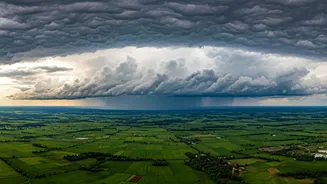
The monsoon is a colossal seasonal weather phenomenon driven by a simple principle: land heats up faster than water. During India's hot summer months, the vast Tibetan Plateau and the subcontinent heat up, creating a massive low-pressure zone. At the same
time, the surrounding Indian Ocean remains cooler, creating a high-pressure area. Nature abhors a vacuum, so moisture-laden winds from the ocean rush towards the land to fill this gap. These southwest monsoon winds, gathering immense amounts of water on their journey, make landfall and bring the rains that define the season. This process, beginning around early June in Kerala, delivers between 70% to 90% of India's total annual rainfall over the next four months.
India's Real Finance Minister
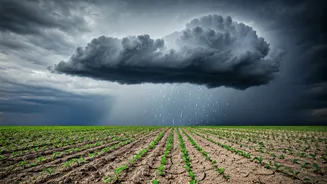
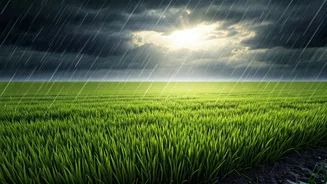
The monsoon's performance is so tied to the nation's prosperity that it's often called India's real finance minister. This isn't an exaggeration. Agriculture contributes significantly to India's GDP, and nearly 60% of the country's net sown area is rain-fed, making it heavily dependent on the monsoon. A good monsoon, with timely and well-distributed rainfall, leads to bumper harvests of crucial kharif crops like rice, cotton, and soybeans. This boosts farmers' incomes, stimulates rural demand for goods and services, and helps keep food inflation in check. Conversely, a poor or delayed monsoon can lead to lower yields, rural distress, and wider economic slowdown. The monsoon also replenishes reservoirs and groundwater, which is vital for drinking water, irrigation for winter crops, and generating hydroelectric power.
Reading the Clouds
Forecasting this complex system is a monumental task undertaken by the India Meteorological Department (IMD). The IMD uses the Long Period Average (LPA) as a benchmark, which is the average rainfall received during the monsoon season over a 50-year period. A monsoon is considered 'normal' if the rainfall is between 96% and 104% of the LPA. Rainfall below 90% is classified as deficient, while anything above 110% is considered excess. For July 2026, for instance, the IMD has forecast below-normal rainfall at around 94% of the LPA, following one of the driest Junes on record. These forecasts are crucial for farmers, policymakers, and businesses to prepare for the season's potential outcomes.
A Cultural Lifeline
Beyond economics and agriculture, the monsoon is woven deeply into India's cultural fabric. For centuries, its arrival has been a source of inspiration for art, literature, music, and poetry, symbolizing renewal, longing, and romance. The works of Kalidasa and Tagore are filled with imagery of the rains. Numerous festivals across the country, like Teej in the north and Onam in Kerala, are celebrated to welcome the rains and pray for a good harvest. From the deities associated with rain like Lord Indra in Vedic mythology to the ragas in classical music meant to invoke rain, the season is a constant presence in the spiritual and creative life of the nation.
A Double-Edged Sword
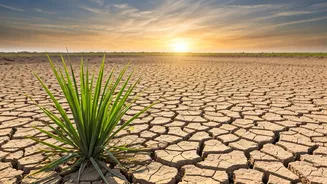
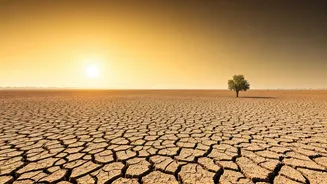
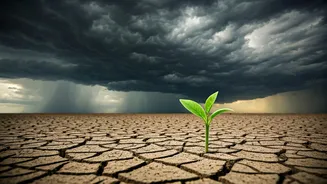
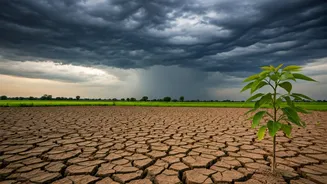
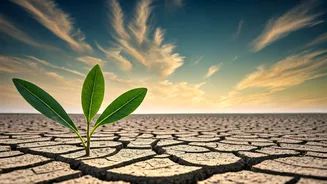
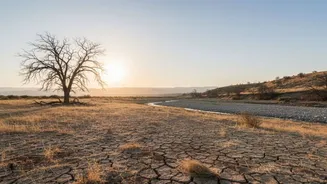
While essential, the monsoon can also be a force of destruction. Excessive rainfall in a short period can lead to devastating floods, landslides, and widespread damage to crops, homes, and infrastructure. Regions in the Himalayas and coastal areas are particularly vulnerable. Conversely, a 'break' in the monsoon or a significant deficit in rainfall can lead to drought, crop failure, and acute water shortages. This dual nature makes managing the monsoon's impact a perpetual challenge. Getting just the right amount of rain at the right time is a delicate balance that determines the well-being of millions each year.