



What Are 'Dark Stores'?
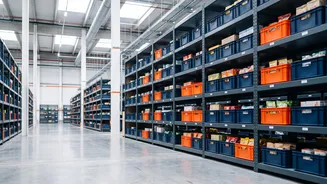
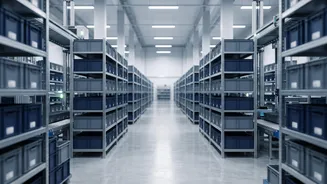
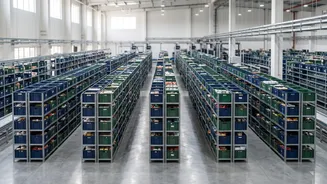
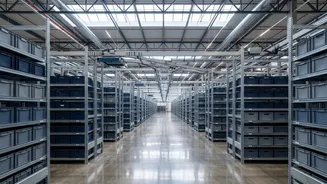
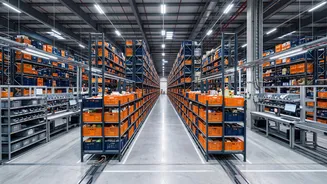
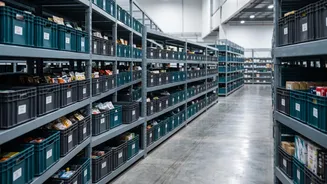
Imagine a supermarket that you can't enter. That's a dark store. These are not retail shops but compact, strategically located warehouses exclusively for online orders. In the race for ultra-fast delivery, companies like Zomato's Blinkit, Swiggy Instamart,
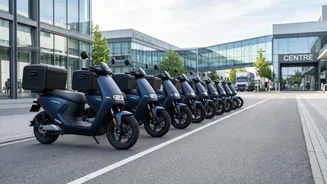
and Zepto have made these stores the backbone of their operations. Each facility, typically 2,000 to 4,000 square feet, stocks thousands of high-demand items. When you place an order, a 'picker' inside the store gathers the items in minutes, hands them to a delivery partner waiting outside, and your order is on its way. This model is crucial for meeting the 10-to-20-minute delivery promise that has captured the urban Indian consumer.
Bengaluru: The Epicentre of Expansion
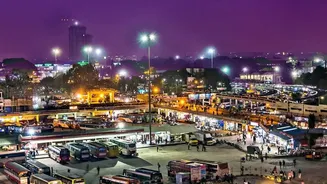
Bengaluru is India's dark store capital, with more than 629 such facilities—the highest of any Indian city. The city's unique demographics make it the perfect market for this boom. A large population of tech-savvy professionals, many in dual-income households, have high disposable income but are short on time, creating immense demand for convenience. This has led to intense competition. Blinkit and Zepto are in a near-tie for market leadership in the city, with Swiggy Instamart close behind. This rivalry fuels a relentless expansion, with companies aggressively leasing ground-floor spaces in dense residential areas like HSR Layout, Koramangala, and Whitefield to be as close to customers as possible.
A New Engine for Employment
This rapid expansion is creating a significant number of jobs. Bengaluru's dark stores employ an estimated 6,300 to 12,600 workers directly inside the facilities. These are not just gig-worker delivery roles but full-time positions for pickers, packers, loaders, quality checkers, and store managers. Entry-level in-store roles in Bengaluru can pay between ₹13,000 and ₹17,000 per month, with store managers earning up to ₹50,000 or more. The industry also offers a relatively quick career path, with a high-performing picker potentially becoming a shift in-charge within a year. Furthermore, the sector is a major source of demand for white-collar roles in data analytics, supply chain management, and technology, with Bengaluru accounting for one in four of these jobs nationwide.
The Other Side of the Coin
However, the story is not without its complexities. While creating jobs, the quick-commerce model faces scrutiny over working conditions. Delivery partners, often classified as gig workers, face pressure to meet tight deadlines, which has raised safety concerns. Studies and worker unions have pointed to issues like income instability, insufficient regulatory oversight, and a lack of social security benefits. Even for in-store employees, the work is intense. High attrition rates of 15-30% per month mean the industry constantly needs to hire thousands just to maintain staffing levels, suggesting a challenging work environment.
Reshaping the Urban Landscape
The dark store boom is also having a profound impact on Bengaluru's real estate. The fierce competition for strategically located spaces has driven up commercial rents in residential areas by as much as 20-25%. Landlords who once struggled to find tenants for ground-floor godowns are now getting premium rates from quick-commerce companies. This has shifted real estate demand from traditional high-street retail to functional, non-descript warehouses. While this revitalises underused commercial properties, it also adds to traffic congestion in residential bylanes and puts competitive pressure on local kirana stores.