








The Persistent Problem of Uranium
Uranium is a naturally occurring element, but human activities like mining and nuclear energy production can concentrate it, leading to contamination of soil and groundwater. When uranium is in its common soluble form, hexavalent uranium or U(VI), it can easily
travel through water, spreading far from its original source and posing a significant risk to ecosystems and human health. The primary health concern with ingested uranium is not its radioactivity, which is relatively weak, but its chemical toxicity, particularly to the kidneys. Conventional cleanup methods are often expensive, energy-intensive, and not always effective at removing low concentrations of the contaminant.
Nature's Microscopic Solution
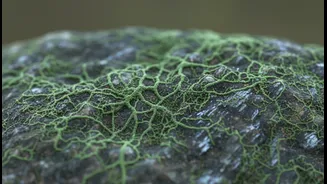
Enter the world of bioremediation, a process that uses living organisms to clean up pollutants. Scientists have discovered that certain types of bacteria, such as Geobacter and Shewanella, have a remarkable ability. They can interact with soluble uranium in their environment as part of their metabolic process. These microbes don't "eat" the uranium in the traditional sense. Instead, in anaerobic (oxygen-free) conditions, they use the soluble U(VI) molecules as an electron acceptor, similar to how humans use oxygen to breathe. This process is often called bioreduction.
How 'Fixing' Actually Works
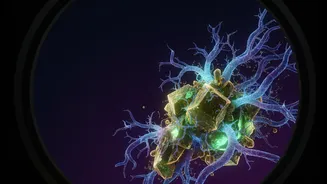
The term 'fixing' refers to the bacteria's ability to immobilize the uranium. During bioreduction, the bacteria donate electrons to the soluble U(VI), converting it into its tetravalent state, U(IV). This change is transformative. U(IV) is highly insoluble and precipitates out of the water, forming a solid mineral called uraninite. Essentially, the bacteria lock the mobile uranium into a stable, solid form, preventing it from spreading further through the groundwater. Recent studies highlight this process, showing microbes in contaminated mine water can convert dissolved uranium into a surprisingly stable compound.
New Discoveries Driving Interest
So why the sudden surge in attention? Recent research has moved beyond just observing this phenomenon to understanding the intricate mechanisms, making field applications more feasible. A July 2026 study published in Nature Communications found that bacteria from a flooded uranium mine, when fed simple glycerol, removed nearly all dissolved uranium from the water, converting it into a rare and stable form. Other research has revealed the dual-action approach of Geobacter bacteria. They not only use protein filaments that act like 'nanowires' to zap and mineralize uranium but also use molecules on their cell surface to soak up the metal like a sponge. These detailed insights are turning a fascinating lab curiosity into a potentially deployable technology.
From the Lab to the Land
Despite the promise, deploying these microscopic janitors in the real world is complex. The success of bioremediation can be highly sensitive to environmental conditions like pH, temperature, and the presence of other chemicals like nitrates or carbonates, which can inhibit the process or even re-oxidize the stabilized uranium. Researchers are now focused on how to sustain the right conditions for these bacteria to thrive in a contaminated site and ensure the long-term stability of the immobilized uranium. Scaling up from controlled lab experiments to unpredictable field conditions remains the biggest hurdle.
Relevance for India's Future
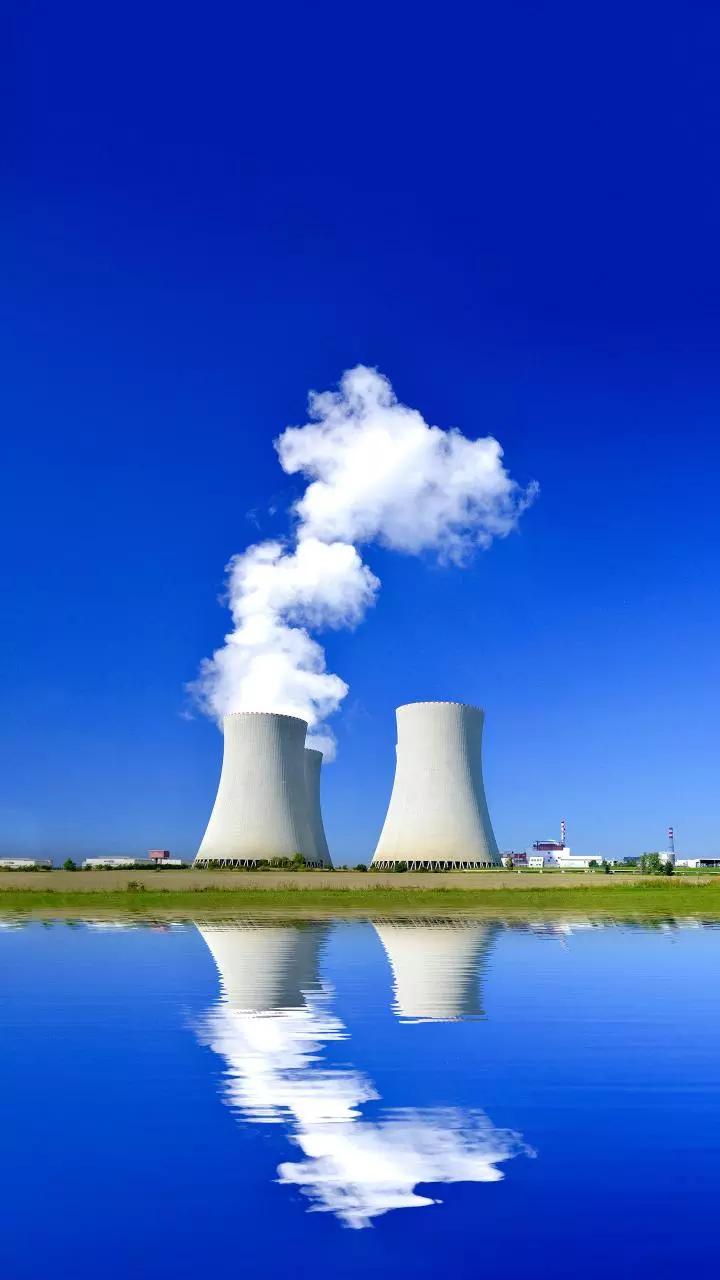
For a nation like India, with an expanding nuclear energy program and a history of mining, managing radioactive waste is a critical environmental and public health issue. Bioremediation offers a potentially cost-effective, eco-friendly alternative to traditional, and often disruptive, cleanup methods. By harnessing natural microbial processes, it may be possible to manage contamination at legacy mining sites and ensure the long-term safety of areas surrounding nuclear facilities. The ongoing research into uranium-fixing bacteria provides a hopeful roadmap for developing sustainable solutions to some of our most persistent pollution challenges.