

The Return to Our Roots
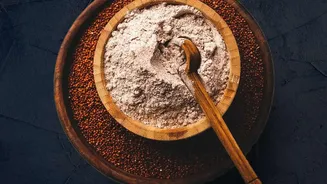
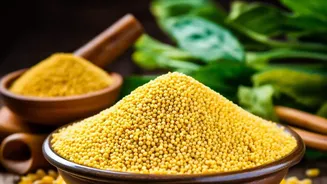
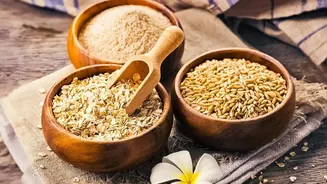
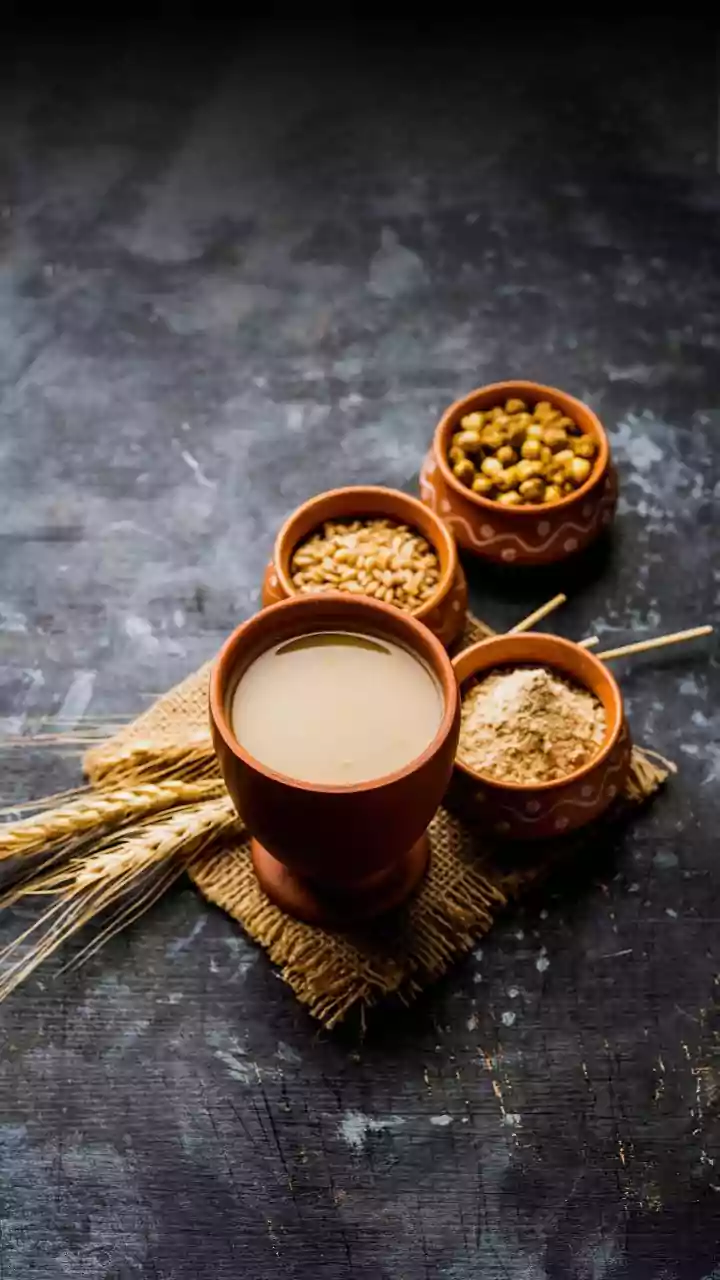
What we call 'heritage' or 'ancient' grains are varieties that have been cultivated for centuries in India, long before modern hybrid wheat and rice came to dominate our plates. Think of jowar (sorghum), bajra (pearl millet), ragi (finger millet), and ancient wheat varieties like
Khapli (emmer). These grains were once everyday staples but were gradually pushed aside by industrial agriculture, which favoured higher-yielding crops. Today, a growing awareness around health and nutrition is bringing them back into the spotlight. This isn't just about chasing a new 'superfood' trend; for many, it's a homecoming—a return to the foods their grandparents ate.
The Problem with Maida
Maida, or refined all-purpose flour, is made by stripping the wheat kernel of its most nutritious parts: the bran (fibre) and the germ (vitamins and minerals), leaving only the starchy endosperm. This process results in a flour with a fine texture and long shelf life, but at a significant nutritional cost. Maida has a very low fibre content, often less than 2-3 grams per 100g, compared to over 10-12 grams in whole wheat. This lack of fibre can slow down digestion and lead to issues like bloating and constipation for some people. Furthermore, its high glycemic index causes rapid spikes in blood sugar, which can affect energy levels and contribute to long-term metabolic health issues when consumed regularly.
The Digestive Health Advantage
The primary reason heritage grains are celebrated for digestive wellness is their high dietary fibre content. Fibre is essential for healthy bowel function and acts as a prebiotic, feeding the beneficial bacteria in your gut. A healthy gut microbiome is crucial for not just digestion but also nutrient absorption and overall immunity. Ancient grains like millets are naturally rich in this dietary fibre, which helps regulate bowel movements and can prevent the sluggish feeling often associated with meals heavy in refined flour. Even ancient wheat varieties like Khapli, while containing gluten, have a different gluten structure that many people find easier to digest compared to modern, highly-hybridized wheat.
A Nutritional Powerhouse
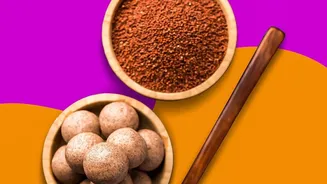
Beyond digestion, heritage grains offer a broader spectrum of nutrients that are stripped away from maida. Millets like ragi are packed with calcium, while bajra is a good source of iron. Jowar is rich in antioxidants. These grains provide more protein, essential minerals like magnesium and zinc, and B-vitamins. Because they are complex carbohydrates with a lower glycemic index, they release energy slowly and steadily, keeping you feeling full for longer and helping to prevent the energy crashes that can follow a meal made with refined carbs. This makes them a smarter choice for sustained energy and overall metabolic health.
Making the Switch: Easy and Versatile
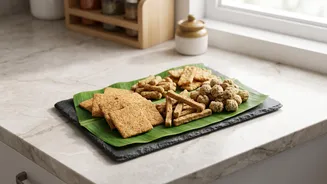
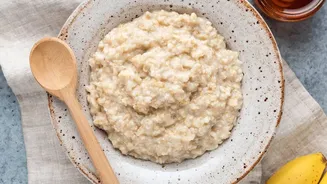
Incorporating heritage grains into your diet doesn't require a complete overhaul of your cooking style. Many of these grains are incredibly versatile. You can start by swapping regular atta with Khapli wheat atta for rotis that are denser and more satisfying. Jowar, bajra, and ragi flours can be used to make traditional flatbreads like bhakri, or blended into multi-grain atta. They also work beautifully in modern dishes—think millet salads, jowar pancakes, or ragi porridge. The return to these grains is not about recreating historical recipes, but about integrating their timeless nutritional wisdom into our contemporary kitchens for better health.