


The Great Indian Squeeze
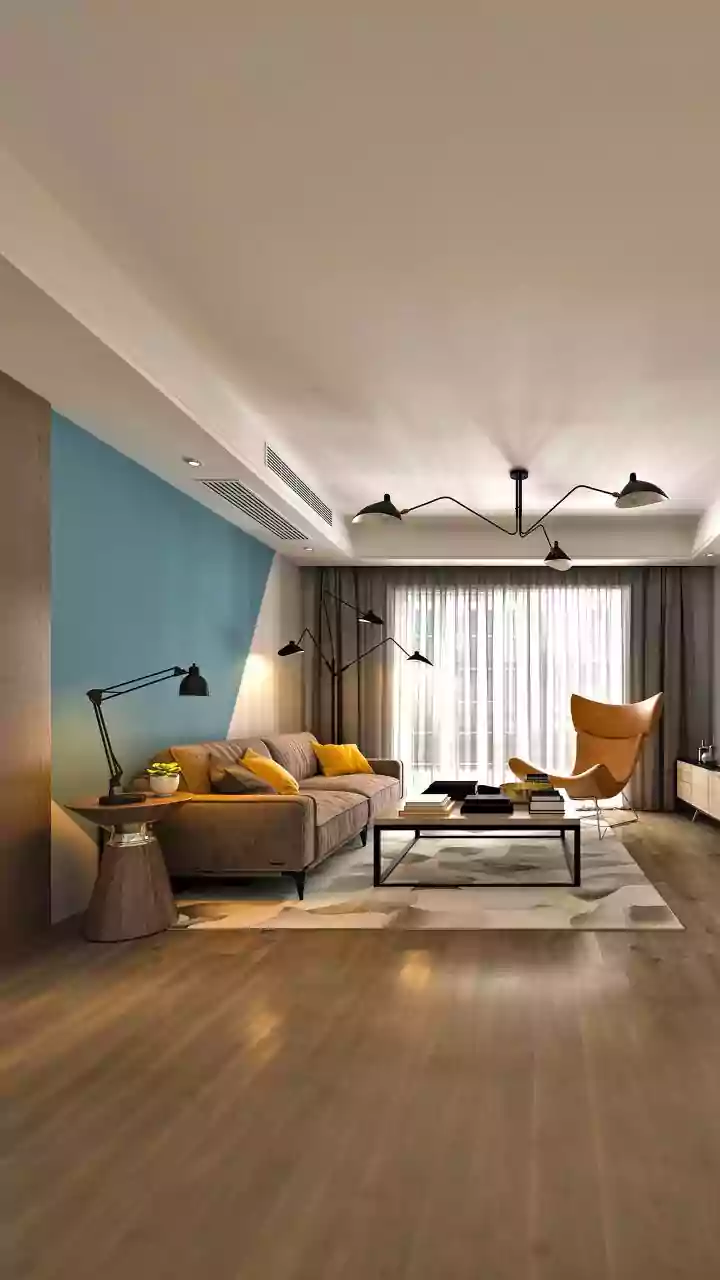
Across India's bustling cities, from Mumbai to Bangalore, a quiet shift is happening. As urban populations swell and property costs rise, the average apartment size is shrinking. This reality of compact living presents a unique challenge: how do you fit
a full life into a smaller footprint without feeling cramped and cluttered? For a growing number of residents, the answer doesn’t lie in finding more space, but in making the existing space smarter. This has fuelled a surge in demand for furniture that is not just functional, but flexible, adaptable, and incredibly intelligent.
The Magic of Modular
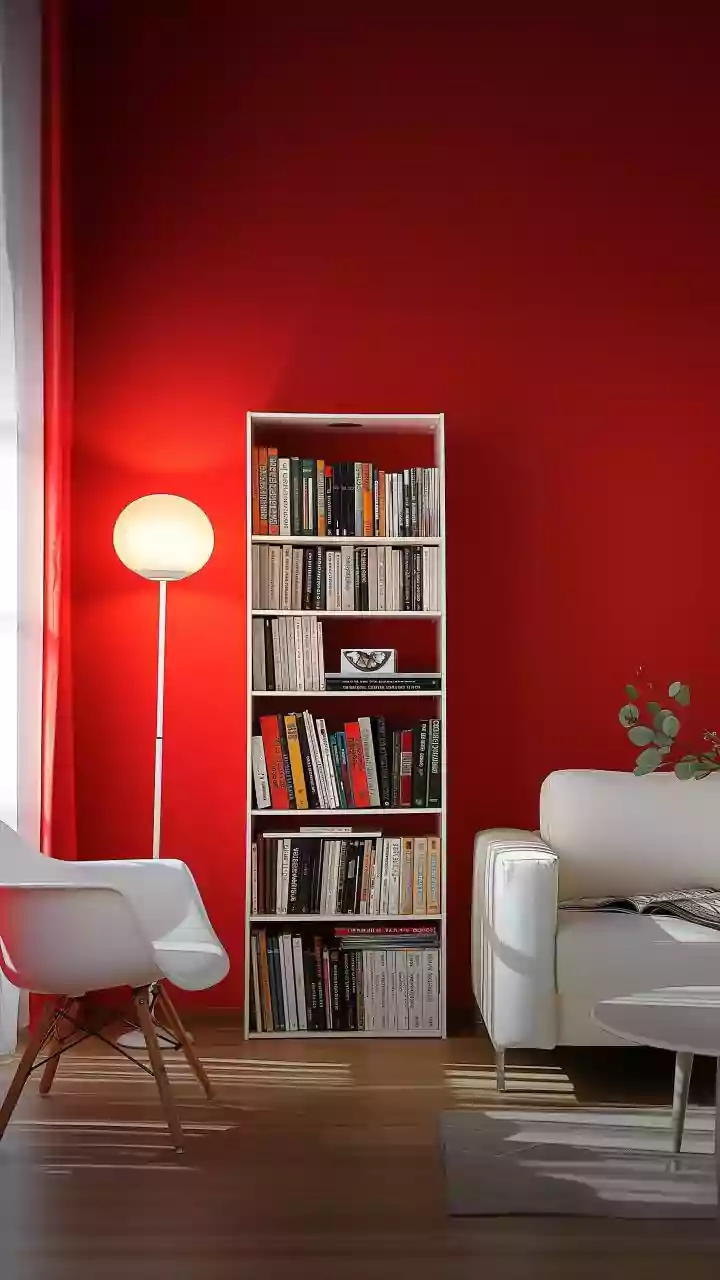
Enter modular furniture, the ultimate organisational tool for modern homes. Unlike traditional, fixed pieces, modular systems consist of individual units that can be combined, reconfigured, and expanded as your needs change. Think of it like building blocks for adults. A shelving unit can grow with your book collection, a sofa can be rearranged to suit a new room layout, and kitchen cabinets can be customised to fit an awkward corner perfectly. This adaptability is key for renters and homeowners alike, offering a bespoke solution without the cost of custom-built carpentry. It provides a sense of control and order, allowing you to create a storage system that works precisely for you.
Now You See It, Now You Don't
Complementing the modular trend is the ingenuity of foldable furniture. These pieces are the masters of disguise, allowing a single room to serve multiple purposes. A wall-mounted desk can transform a corner of the living room into a home office during the day, only to fold away neatly when work is done. A dining table can appear for a dinner party and vanish afterwards, freeing up floor space. Perhaps the most iconic example is the sofa-cum-bed, a staple in Indian homes that has evolved into a stylish and comfortable solution for accommodating guests. These designs are no longer just about saving space; they are about creating dynamic, multi-functional environments that adapt to the rhythm of daily life.
More Than Just Square Feet
The benefits of this design movement extend beyond the physical. A cluttered environment is often linked to a cluttered mind, contributing to feelings of stress and anxiety. By providing dedicated, organised storage and freeing up floor space, modular and foldable furniture can have a significant positive impact on mental well-being. An organised home promotes a sense of calm and control, which can reduce stress levels and improve focus. The act of tidying up and creating a functional, aesthetically pleasing space provides a sense of accomplishment and allows for better quality rest and relaxation. In essence, reclaiming your space can help you reclaim your peace of mind.
Choosing Your Smart Solution
Ready to embrace the less-is-more philosophy? When shopping for modular or foldable pieces, consider your lifestyle first. A family with children will have different needs than a young professional working from home. Look for durable materials, especially for items that will be folded and unfolded frequently. Measure your space carefully and think vertically—high shelves and wall-mounted units are excellent for drawing the eye upward and making a room feel larger. But remember, the most effective space-saving strategy starts with decluttering. Smart furniture works best when you have less to store in the first place, allowing you to move forward with a clean slate and a home that truly serves you.