




Beyond Just a Rest Day
The term 'active restoration system' might sound technical, but the concept is simple: it is recovery through gentle movement. Unlike passive rest, which involves completely stopping all activity, active restoration involves low-intensity exercises designed
to help the body repair itself more efficiently. This can include anything from a light jog or a swim to dynamic stretching, yoga, or foam rolling. The goal is to keep blood flowing to tired muscles, which helps deliver essential nutrients and clear out metabolic waste products that cause soreness and stiffness. It’s the difference between letting a construction site sit idle and sending in a small crew to tidy up, ensuring it’s ready for the next day of work. For millennial lifters, this isn't an optional add-on; it's a scheduled part of the training week.
A Cultural Shift in Fitness
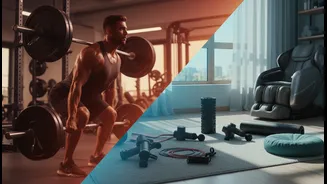
So, why has this generation embraced active recovery so wholeheartedly? It marks a significant cultural shift away from the high-intensity, breakdown-focused gym culture of the past. Millennials, armed with unprecedented access to information, view fitness through a holistic lens of long-term health and wellness. They are less interested in quick fixes and more focused on building sustainable habits that support both physical and mental well-being. This data-driven generation understands that chronic burnout and injury are the biggest threats to progress. By prioritising recovery, they are essentially playing the long game, aiming for longevity and consistent performance over short-term, high-risk gains. This mindset is reflected in modern gyms, which increasingly offer dedicated recovery zones and classes as a core part of their service.
The Science of Staying Consistent
The commitment to active restoration is backed by science. Engaging in low-intensity activity after a tough workout has been shown to significantly reduce Delayed Onset Muscle Soreness (DOMS)—the muscle pain that typically peaks 24 to 48 hours after a session. By alleviating soreness and reducing stiffness, lifters feel better, faster. This has a direct impact on training momentum. When you aren't constantly battling crippling soreness, you are more likely to stick to your schedule and perform well in your next workout. Furthermore, active recovery methods like mobility work and stretching improve flexibility and range of motion, which are crucial for executing lifts with proper form and, most importantly, preventing injuries that could sideline you for weeks or even months.
The Modern Recovery Toolkit
The millennial lifter's recovery toolkit is diverse and often tech-enhanced. Foam rolling is a cornerstone, serving as a form of self-massage or self-myofascial release that breaks up knots and improves tissue quality. Yoga and mobility flows are also incredibly popular, prized for their ability to improve flexibility, balance, and mind-muscle connection. But the trend also embraces technology. Percussion massagers (massage guns), compression boots, and even dedicated recovery apps have become common, allowing users to take a more precise and personalised approach to their restoration. These tools, once reserved for professional athletes, are now seen as worthwhile investments for everyday fitness enthusiasts who are serious about their performance and longevity.
Building Momentum Through Community
Finally, the trend is amplified by the 'community' aspect of lifting. In gyms and on social media platforms, sharing recovery tips and progress is just as common as sharing new personal records. This communal exchange of knowledge creates a supportive environment where looking after your body is celebrated. The accountability that comes from being part of a community—whether in-person or online—helps reinforce these healthy habits. When your peers are also prioritising their recovery, it normalises the practice and makes it an integral part of the group's culture. This collective mindset helps everyone stay engaged, motivated, and on track, turning individual efforts into a shared journey of consistent progress.