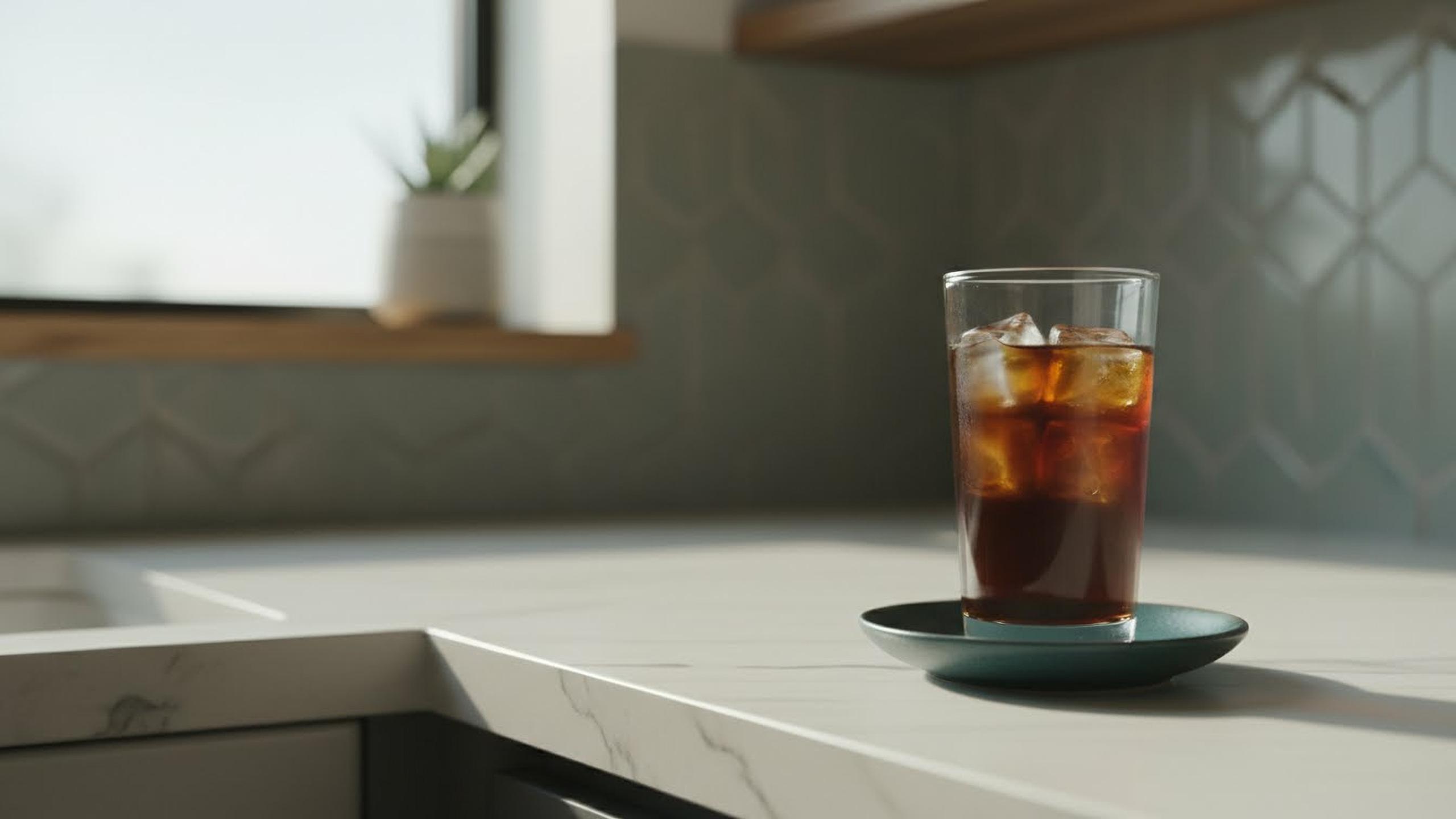







The Secret is Cold Water and Time
The fundamental difference between cold brew and regular iced coffee lies in one key variable: heat. Iced coffee is simply hot-brewed coffee that has been cooled down, often poured over ice. This process locks in all the compounds extracted by heat, including
the bitter acids that can sometimes cause an acidic or sour taste. Cold brew, on the other hand, never touches hot water. Instead, coarsely ground coffee is steeped in cold or room-temperature water for an extended period, typically 12 to 24 hours. This slow, gentle infusion process is the core 'tech' behind its signature flavour. It selectively extracts flavour compounds, leaving many of the harsher, more acidic elements behind in the grounds. The result is a coffee that is naturally sweeter, incredibly smooth, and significantly less acidic.
What You Will Need
You don't need an expensive, dedicated cold brew system to get started. In fact, you probably already have everything you need in your kitchen. The beauty of this method is its simplicity. Here’s a basic checklist: a large glass jar or pitcher, whole coffee beans, a coffee grinder (a burr grinder is best, but not essential), filtered water, and a fine-mesh sieve, cheesecloth, or French press for filtering. That’s it. The most important ingredients are good-quality coffee beans and a bit of patience. Any vessel that can be sealed and hold the liquid will work, making it one of the most accessible brewing methods available.
Mastering the Core Techniques
Great cold brew comes down to four simple factors: the grind, the ratio, the time, and the water. Getting these right is the key to a consistently delicious batch. First, the grind must be coarse. Think of the consistency of raw sugar or coarse sea salt. A fine grind, like one used for espresso, will over-extract and create a muddy, bitter brew. Second is the coffee-to-water ratio. A good starting point for a concentrate is a 1:8 ratio, meaning one part coffee to eight parts water by weight. This creates a strong brew that you can dilute later with water or milk. For a ready-to-drink version, you might use a ratio closer to 1:12. Third is the steeping time. Aim for 12 to 20 hours. If you steep at room temperature, 12 hours is often enough; in the refrigerator, it will take longer, closer to 16-20 hours. Finally, use filtered water for the cleanest taste.
The Overnight Infusion: A Step-by-Step Guide
Ready to make your first batch? It’s as easy as following these steps. First, weigh and grind your coffee beans to a coarse consistency. Add the ground coffee to your jar or pitcher. Next, pour the cold, filtered water over the grounds, making sure all the coffee is thoroughly saturated. Give it a gentle stir to ensure there are no dry pockets. Cover the container and let it steep. You can leave it on your countertop for about 12 hours or place it in the refrigerator for 16-20 hours. Once the steeping is complete, it's time to filter. Slowly pour the mixture through a fine-mesh sieve lined with cheesecloth or simply plunge your French press. The goal is to separate the liquid concentrate from the grounds without introducing sediment. The resulting liquid is your cold brew concentrate.
Storing and Customising Your Brew
Your homemade cold brew concentrate can be stored in a sealed container in the refrigerator for up to a week, making your morning coffee routine incredibly efficient. To serve, simply dilute the concentrate to your preferred strength. A common starting point is a 1:2 ratio of concentrate to cold water or milk, but feel free to adjust it to your taste. This is where you can truly make it your own. Experiment with different beans; a dark roast will yield chocolatey, bold notes, while a lighter roast might offer more fruity or floral flavours. Don't be afraid to tweak the steep time or ratio on your next batch to find the perfect balance that you love. A few hours can make a noticeable difference in strength and flavour.