



A Monsoon Ritual
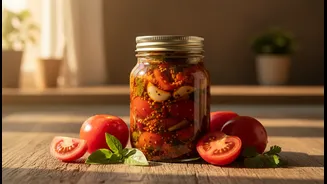
For many households, especially in Andhra Pradesh and Telangana, the arrival of July marks the unofficial start of the tomato pickle, or 'Tomato Nilava Pachadi', season. While mango pickles like Avakaya herald the raw, fierce heat of summer, the tomato pickle is
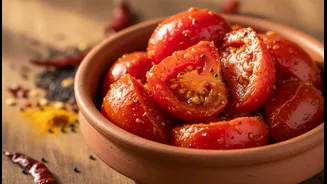
a culinary flag for the monsoon. It's a ritual of preservation, a way of capturing the abundance of the tomato harvest and transforming it into a condiment that will bring flavour and fire to meals for months to come. The process is a labour of love, involving sun-drying or slow-cooking tomatoes to concentrate their flavour and drive out moisture, which is key to its shelf life. This tradition, passed down through generations, connects the rhythm of the kitchen to the rhythm of the seasons.
The Guntur Advantage
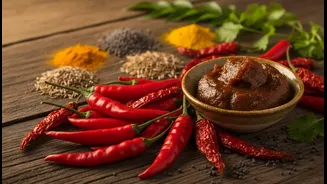
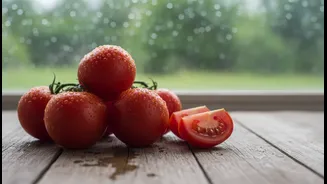
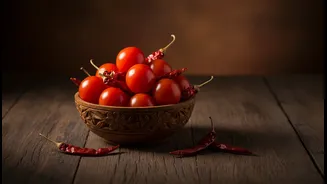
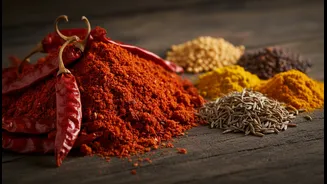
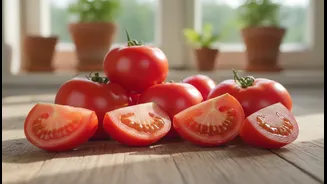
Not just any tomato or chilli will do. The pickle’s iconic identity comes from its two star ingredients, both tied to the Guntur region of Andhra Pradesh. The area is globally renowned for its chillies, particularly varieties like the Guntur Sannam and Teja, which are prized for their sharp heat and vibrant red colour. This potent chilli powder provides the pickle's signature fire. The second star is the local tomato. While tomatoes are grown year-round, the varieties harvested around this time are often firm, fleshy, and possess the perfect balance of sweetness and acidity needed to stand up to the strong spices. The combination creates a pickle that is more than just a condiment; it is a taste of a specific terroir, a flavour profile born from the unique soil and climate of Guntur.
The Art of the Pickle
Making traditional Guntur tomato pickle is a masterclass in culinary alchemy. There are broadly two schools of thought: the sun-dried method and the cooked-down version. The most traditional, 'nilava' (meaning 'to store'), method involves chopping ripe tomatoes, salting them to draw out water, and then sun-drying the pieces for days. This juice, often infused with tamarind, is then reunited with the dried tomatoes and ground spices. The quicker, more common method today involves slowly cooking down chopped tomatoes until they become a thick, pulpy mass, a process that can take hours but is essential for preservation. To this base, a ground powder of roasted mustard and fenugreek seeds, a generous amount of Guntur chilli powder, and salt are added. Finally, a tempering of hot sesame oil with mustard seeds, garlic, and asafoetida is poured over, creating a protective layer and locking in the flavours.
More Than a Condiment
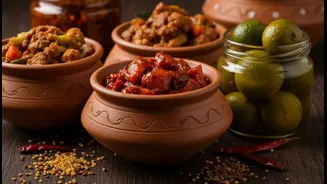
In South Indian cuisine, a pickle is never just a side issue; it is a central part of the meal, capable of transforming the simplest plate of rice and ghee or a plain dosa into something extraordinary. The Guntur tomato pickle is a powerhouse of flavour—tangy, spicy, umami-rich, and deeply savoury. It serves as a rescue ingredient, the jar that is opened when a meal needs an instant injection of life. For students in hostels or family members living abroad, a bottle of homemade tomato pickle is a cherished taste of home, a potent carrier of memory and nostalgia. It’s the flavour of rainy-day comfort, family meals, and the enduring love that is packed into every single jar.