


The Allure of the Royal Seal of Approval
From historical figures like Cleopatra to modern royals like the Princess of Wales, the beauty routines of royalty have long captured the public imagination. This fascination is a marketer's dream. When a product is linked to a royal, it gains an aura
of credibility and luxury, allowing brands to command premium prices. This isn't just about selling a product; it's about selling a story, a hope that you can purchase a piece of that regal perfection. The industry has learned that consumers are more likely to engage with aspirational content than with dry scientific data, making 'royal secrets' a perfect vehicle for sales. But this strategy preys on our anxieties about ageing, a natural process that the beauty industry often frames as a problem to be solved with expensive 'cures'.
Ritual vs. Reality: Rosehip Oil
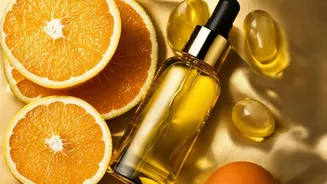
Rosehip oil is frequently cited as a staple in Kate Middleton's skincare routine, reportedly used to maintain her flawless complexion. This has led to massive sales spikes for brands associated with the princess. The oil is rich in vitamins, antioxidants, and essential fatty acids, which are beneficial for skin. Scientific evidence confirms that these components can help with hydration, moisturisation, and supporting the skin barrier. Some studies suggest it may inhibit the enzyme that breaks down collagen and can help reduce the appearance of fine lines over time. However, its effects are often overstated. While it is a fantastic moisturiser and can improve skin texture, it is not a miracle cure for reversing deep wrinkles. The real 'secret' is likely a holistic approach, including consistent sun protection and a healthy diet, which the Princess of Wales is also said to follow.
Myth vs. Science: Bee Venom 'Facials'
Another trend linked to royals is the use of bee venom skincare, often sensationally dubbed 'nature's Botox'. The claim is that it tricks the skin into thinking it has been lightly stung, supposedly stimulating collagen and elastin production. Some clinical studies, though often small and sometimes lacking a placebo control group, have shown that bee venom serum can reduce wrinkle depth and area over several weeks of use. The primary active component, melittin, can induce a mild inflammatory response that leads to temporary plumping and tightening. However, comparing this to Botox is misleading. Botox works by temporarily paralysing muscles to prevent expression lines, something a topical cream cannot do. While bee venom has demonstrated anti-inflammatory and antibacterial properties, more robust human research is needed to confirm its long-term anti-ageing benefits beyond a temporary plumping effect.
Decoding the Headlines and Your Routine
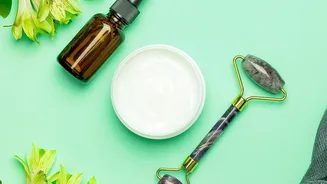
The anti-ageing market thrives by creating a sense of urgency and inadequacy. It has mastered the art of 'prejuvenation'—convincing younger consumers they need to prevent a problem they don't have yet. Phrases like 'support collagen' or 'restore bounce' have replaced more direct 'anti-wrinkle' language, but the goal remains the same: positioning ageing as a flaw. To be a savvy consumer, it's crucial to look past the celebrity or royal endorsement and focus on the ingredients and the evidence. Meghan Markle, for instance, has spoken about her focus on a holistic routine including facial massage, a healthy diet, hydration, and yoga. While she uses specific products, her glow is a result of consistent, overall wellness—something that can't be bottled. A simple, evidence-backed routine focused on cleansing, moisturising, and daily SPF protection is the true foundation of healthy skin.