




A Surprising Fusion of Flavours
On the surface, ragi (finger millet) and Alphonso mango seem like an unlikely pair. One is a humble, earthy millet known for its robust nutritional profile, a staple in many South Indian households. The other is the undisputed 'King of Fruits', a seasonal
luxury celebrated for its sweet, fragrant, and vibrant pulp. Yet, in the form of a halwa, they create a surprisingly harmonious dessert. The deep, nutty flavour of roasted ragi flour provides a perfect counterbalance to the bright, tropical sweetness of the mango. The traditional halwa format, rich and comforting, brings these two distinct ingredients together into a cohesive, delicious whole that feels both innovative and deeply rooted in Indian culinary traditions.
The 'Clean Eating' Connection
A huge part of this dessert’s viral appeal lies in its alignment with 'clean eating' principles. Unlike traditional halwas that often rely on refined flour and sugar, this version is a powerhouse of nutrition. Ragi is naturally gluten-free and packed with calcium, iron, and dietary fibre. When prepared thoughtfully, the dessert uses natural sweeteners like jaggery or date syrup instead of processed white sugar. These sweeteners not only add a rustic, caramel-like depth of flavour but also come with their own mineral content. The use of ghee, a healthy fat celebrated in Ayurveda, adds richness and aids in the absorption of nutrients. It’s a dessert that allows for indulgence without the subsequent guilt, hitting the sweet spot for health-conscious foodies.
Why the Internet Is Obsessed
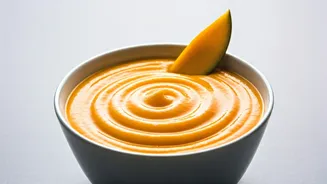
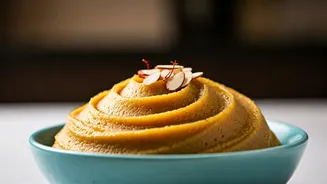
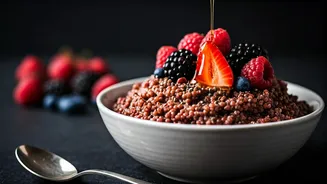
The Alphonso Ragi Halwa became an online sensation for several key reasons. First, its visual appeal is undeniable. The deep, chocolatey brown of the ragi swirled with the vibrant saffron-orange of the mango creates a beautiful-looking dish that is practically made for Instagram. Second, it taps into the growing trend of modernising traditional Indian recipes with a healthy twist. Food bloggers and home cooks are increasingly looking for ways to enjoy classic comfort foods in a healthier way. This halwa is the perfect example. Finally, its 'surprise' factor generates curiosity. The combination sounds unusual enough to make people stop scrolling and ask, "Does that actually work?" The overwhelmingly positive reviews and drool-worthy videos confirm that it not only works, but it's also spectacular.
How to Make It at Home
Ready to try it yourself? The process is simpler than you might think. Start by dry-roasting half a cup of ragi flour in a pan on low heat until it becomes aromatic. This step is crucial to remove the raw taste. In a separate pan, melt half a cup of powdered jaggery in one cup of water, and strain it to remove impurities. Slowly add this jaggery water to the roasted ragi flour, whisking continuously to prevent lumps. Cook the mixture on low heat until it thickens and pulls away from the sides of the pan. Now, add two to three tablespoons of ghee, one spoonful at a time, mixing well until it's absorbed. Once the halwa has a glossy sheen, turn off the heat and fold in half a cup of fresh Alphonso mango puree. Finish with a pinch of cardamom powder and a handful of chopped nuts like almonds or pistachios.
Tips for the Perfect Halwa
To elevate your halwa from good to great, keep a few tips in mind. Continuous whisking is non-negotiable when you add the liquid to the ragi flour; this is your best defence against lumps. Don't rush the roasting process—a slow, even roast develops the ragi's nutty flavour. Be mindful of the mango's sweetness when deciding on the amount of jaggery; if your Alphonso is exceptionally sweet, you might want to reduce the jaggery slightly. For the best flavour, add the mango puree only after you have turned off the heat. Cooking the mango can alter its fresh, vibrant taste. Finally, a small dollop of ghee on top just before serving adds an extra layer of richness and a beautiful gloss.