
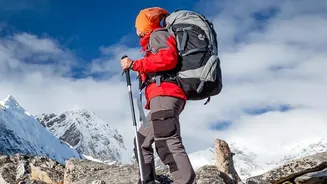
The Golden Window: Why Visit Now?
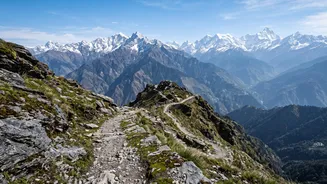
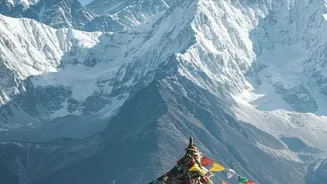
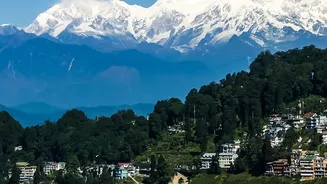
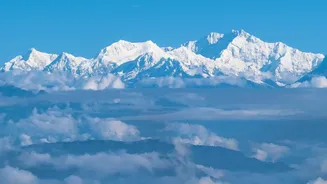
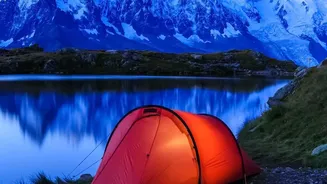
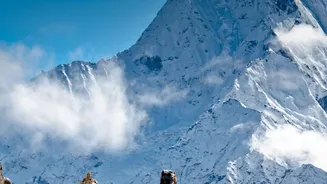
The period from late September through November is widely considered the best time to travel to the Himalayas. After the monsoon rains recede, the atmosphere is scrubbed clean of dust and haze, offering crystal-clear, panoramic views of snow-capped peaks
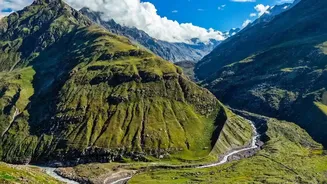
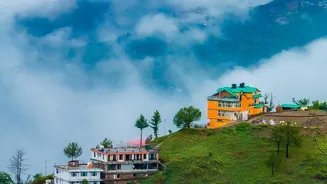
against brilliant blue skies. The landscape, rejuvenated by months of rain, is exceptionally vibrant. Valleys are a rich, deep green, streams and waterfalls are full, and alpine meadows are often still dotted with late-blooming flowers before turning a beautiful golden-brown. This season offers a perfect balance: the weather is generally stable and pleasant for trekking, and the trails are less crowded than in the peak summer season but safer and more accessible than in the harsh winter months. For photographers, the clear light and vivid colours make it a paradise.
Weather: Crisp Days and Cold Nights
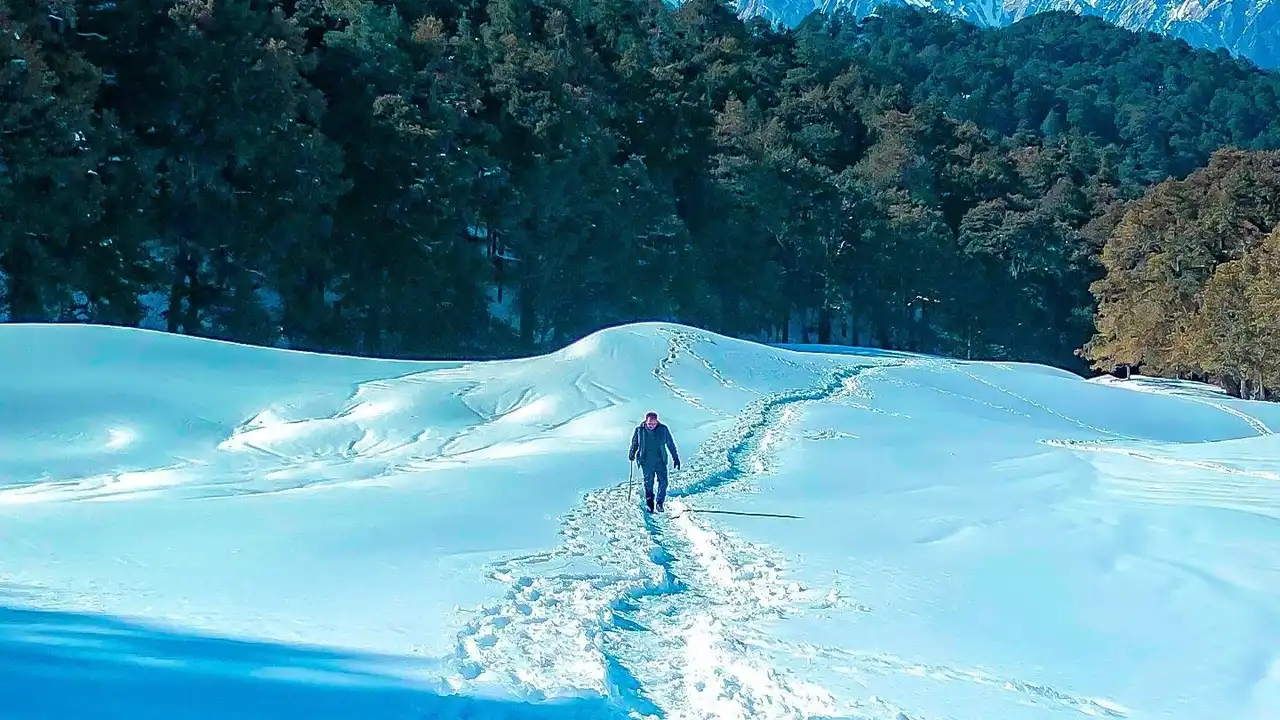
Post-monsoon weather is a tale of two extremes. During the day, particularly at lower elevations, the weather is typically mild and pleasant, perfect for trekking. However, conditions can change rapidly, especially as you gain altitude. Expect crisp, sunny days, but be prepared for a significant temperature drop as soon as the sun sets. In regions like the Everest Base Camp area in November, daytime temperatures can hover around freezing, while nighttime temperatures can plummet to -15°C or colder. Layering your clothing is essential. Always check local forecasts before setting out, as early winter snow can sometimes arrive in late October or November, especially at higher altitudes.
Top Post-Monsoon Treks and Destinations
The clear weather opens up a wide range of trekking opportunities. In Uttarakhand, popular trails like the Valley of Flowers (at the very end of its season), Har Ki Dun, and Ali Bedni Bugyal are stunning post-monsoon. Har Ki Dun, known as the 'Valley of Gods', is particularly beautiful in autumn. In Himachal Pradesh, treks like the Hampta Pass and Triund offer breathtaking views. The Hampta Pass is famous for its dramatic crossover from the green Kullu valley to the arid landscape of Lahaul. For those seeking less-trodden paths, the Rupin Pass and Pin Bhaba Pass treks are challenging but incredibly rewarding. Rain-shadow areas like Spiti Valley and parts of Ladakh, which are accessible during the monsoon, continue to be excellent choices.
Safety, Trails, and Acclimatisation
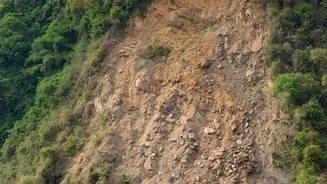
While the weather is more stable, post-monsoon travel isn't without its risks. The monsoon can leave trails damaged, and the risk of landslides can persist in some areas even after the rain stops. It's crucial to trek with an experienced local guide who understands the current ground conditions. Always stay on marked trails, avoid unstable slopes, and stay away from swollen streams. Altitude sickness is a serious risk above 2,500 metres, regardless of your fitness level. Plan an itinerary that allows for proper acclimatisation, with gradual ascents and rest days. Inform someone of your route and planned return date. Due to changing conditions, it's vital to remain flexible with your plans.
Essential Packing and Permits
Packing smart is key. Your kit should prepare you for a range of conditions. Essentials include a layered clothing system (moisture-wicking base layer, warm insulating layer, and a waterproof/windproof outer shell), sturdy waterproof hiking boots with good grip, and trekking poles for stability on slippery sections. Also pack sun protection (sunglasses, high-SPF sunscreen, hat), a first-aid kit, extra warm socks, and a headlamp. Many trekking regions require permits, especially those in national parks or near international borders. These can range from National Park permits to Inner Line Permits (ILP) for restricted areas in states like Himachal Pradesh, Uttarakhand, and Sikkim. Research the specific requirements for your chosen trek well in advance, as obtaining them can take time. Your tour operator can often handle this process for you.
A Season of Celebration
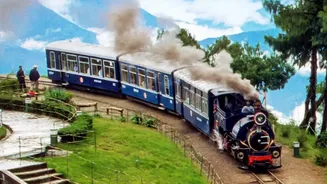
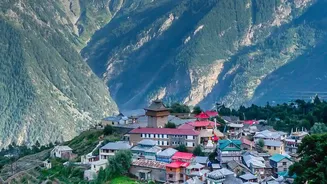
Autumn is also a major festival season across the Himalayas, offering a unique cultural dimension to your trip. In Himachal Pradesh, the week-long Kullu Dussehra in October is a vibrant spectacle, drawing deities from across the valley. In Sikkim and Darjeeling, Dasain (Durga Puja) is celebrated with great fervour. Other beautiful celebrations include Phulaich, the 'Festival of Flowers' in Kinnaur, and the lead-up to Diwali, the festival of lights, which illuminates mountain towns and villages across the region. Witnessing these festivals provides a profound glimpse into the local culture, faith, and sense of community.