



First, What Is El Niño?
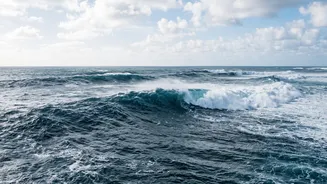
Before diving into the forecast, it helps to understand what El Niño is. It's not a storm, but a large-scale climate pattern. Normally, trade winds blow from east to west across the equatorial Pacific Ocean, pushing warm surface water towards Asia and Australia.
During an El Niño, these trade winds weaken or even reverse. As a result, that massive pool of warm water shifts eastward, toward the west coast of the Americas. This change in ocean temperature, even by a few degrees, is enough to disrupt atmospheric circulation and trigger a cascade of weather effects around the world. These events are a natural part of our planet's climate cycle, typically occurring every two to seven years in varying intensity.
The 2026 Forecast: A Significant Warming Signal
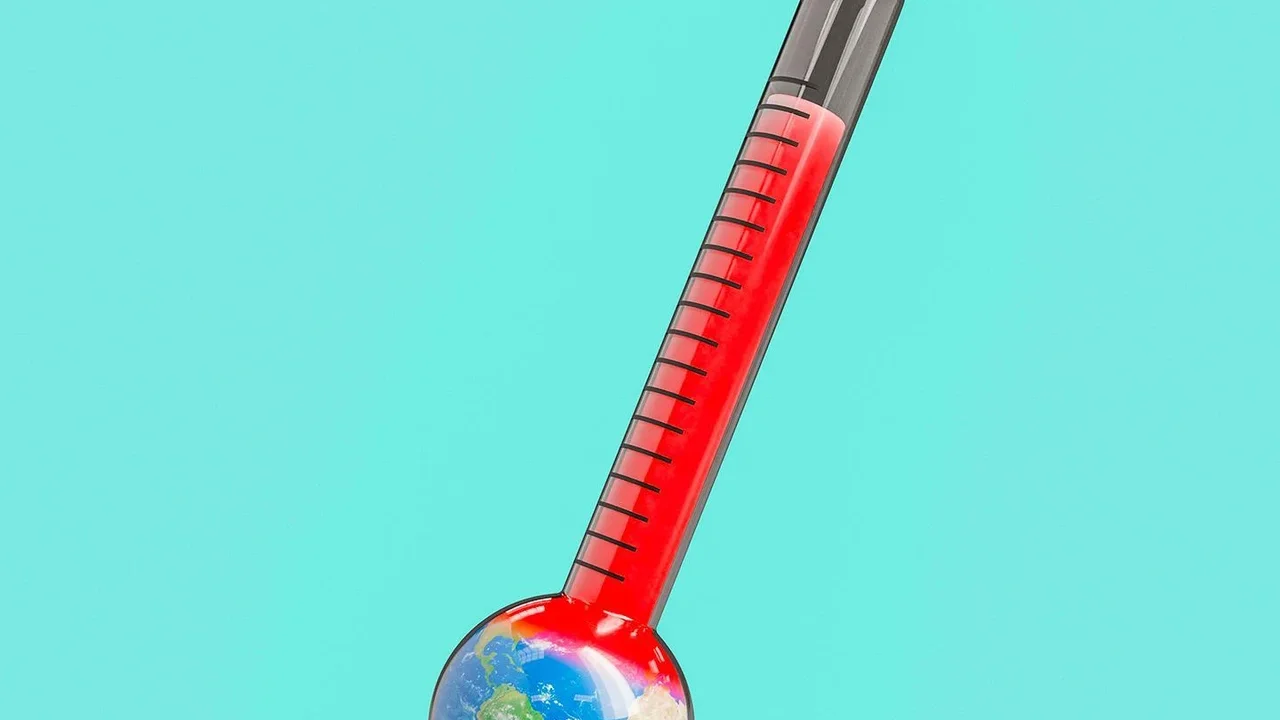
Recent projections from leading meteorological organisations like the World Meteorological Organization (WMO) and the US National Oceanic and Atmospheric Administration (NOAA) are now in strong agreement. Models indicate a rapid warming of sea surface temperatures in the central and eastern equatorial Pacific. Forecasts issued in November 2026 suggest that temperatures could rise to more than 1.5 degrees Celsius above the long-term average. This is a critical threshold. An anomaly of this magnitude is the key indicator for what scientists classify as a 'strong' El Niño event, with its influence expected to peak in early 2027 and persist for several months.
Why 'Intense' Is a Cause for Concern
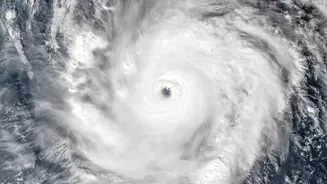
The intensity of an El Niño directly correlates with the severity and reach of its impacts. A weak event might cause only minor, localised weather shifts. A strong one, however, has a history of causing major global disruptions. Past strong El Niño events have been linked to severe droughts in India, Indonesia, and Australia, while simultaneously causing devastating floods in Peru and Ecuador. They can also lead to warmer winters in parts of North America and affect marine ecosystems and fisheries worldwide. The 'intense' label serves as an early warning that the potential for significant, widespread, and costly weather-related events is much higher than usual.
The Critical Question for India's Monsoon
For India, any talk of El Niño immediately raises concerns about the summer monsoon, the lifeblood of the country's agriculture and economy. Historically, there is a strong correlation between El Niño years and suppressed monsoon rainfall. The large-scale atmospheric changes can weaken the monsoon circulation, leading to deficient rainfall and potential drought-like conditions across large parts of the subcontinent. Climatologists from the India Meteorological Department (IMD) caution that while a strong El Niño increases the probability of a poor monsoon, it is not the only factor. Other phenomena, like the Indian Ocean Dipole (IOD), can sometimes counteract its effects. A 'positive' IOD, for example, can help boost rainfall. However, the current forecast significantly raises the risk profile for the 2027 Kharif sowing season.
Ripple Effects Beyond Rainfall
The consequences of a weakened monsoon extend far beyond the farm. Deficient rainfall strains water reservoirs, affecting drinking water supplies and hydropower generation in numerous states. Lower agricultural output can lead to rising food prices, impacting household budgets and national inflation. The entire rural economy, which supports a vast portion of India's population, feels the strain. A strong El Niño is therefore not just a weather story; it is an economic and social one that requires proactive monitoring from policymakers to mitigate its potential cascading effects on food security and economic stability.