



More Than a Vintage Vibe
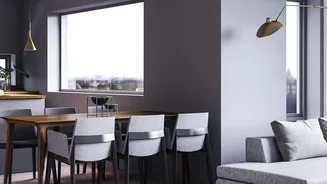
For years, minimalism dominated interior design. But as Gen Z begins to shape its own spaces, a different philosophy is emerging. Rejecting the starkness of previous trends, this generation is curating homes that tell a story. They are blending modern
sensibilities with timeless pieces, particularly those rooted in Indian heritage. Think of antique-style wooden trunks with brass handles, hand-painted consoles, or intricately carved accents sharing space with sleek, contemporary furniture. This isn't about creating a museum or simply replicating a grandparent's home. Instead, it's a sophisticated mix-and-match approach where traditional items are given new context, creating a look that feels both personal and deeply rooted in culture. The goal is to move beyond transient trends and invest in pieces that offer character, warmth, and a narrative.
The Eco-Conscious Calculation
A major driver of this trend is Gen Z's commitment to sustainability. Unlike fast furniture made from synthetic materials, traditional handicrafts are often inherently eco-friendly. Brass, an alloy of copper and zinc, is a prime example of a circular material. It is exceptionally durable, corrosion-resistant, and can be recycled almost infinitely without any loss of quality. This means a brass lamp or decorative bowl can be melted down and reformed for generations, rarely ending up in a landfill. The handcrafted production process also has a lower carbon footprint compared to mass industrial manufacturing. By choosing items built to last, young consumers are consciously reducing waste and moving away from a culture of disposable goods. This preference for longevity and ethical sourcing is a core value for a generation hyper-aware of its environmental impact.
A Connection to Craft and Community
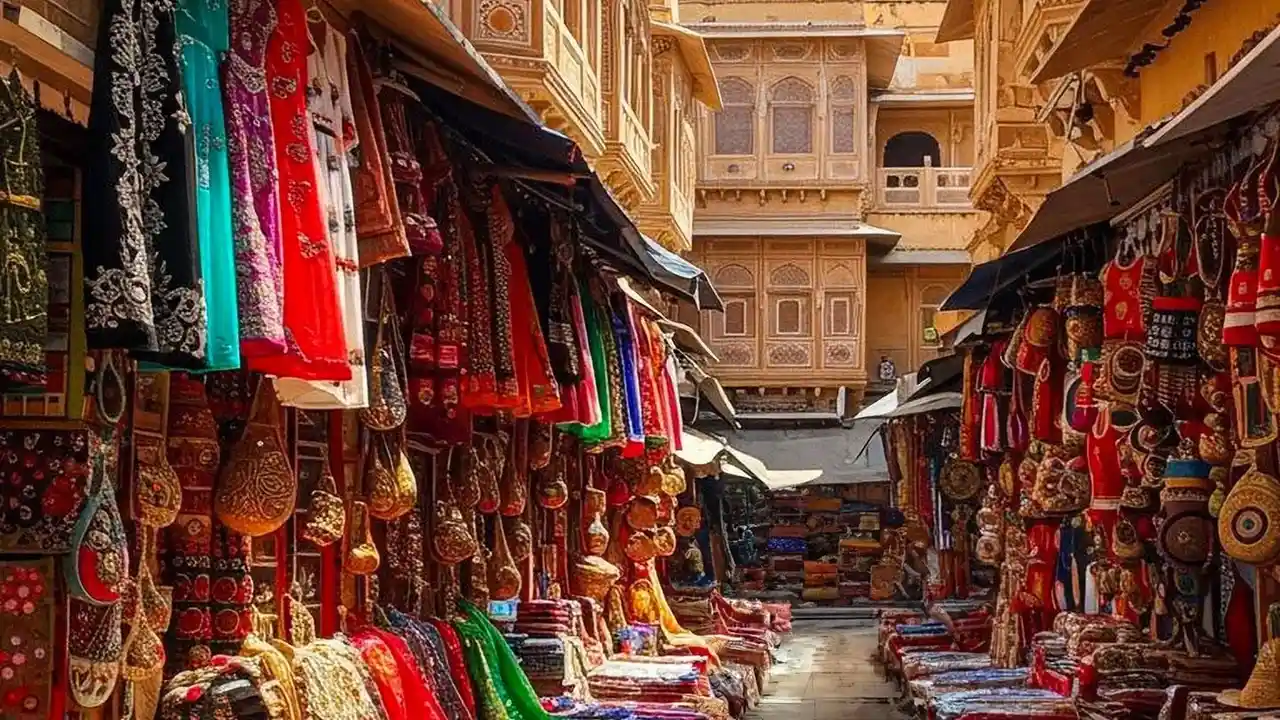
Choosing a handcrafted item is about more than just the object itself; it's about the person who made it. The Indian handicrafts sector employs millions of artisans, often in rural and semi-urban areas, preserving artistic traditions passed down through generations. For a socially conscious generation, supporting these local artisans is a way to ensure its consumption has a positive impact. There is a growing appreciation for the skill, time, and heritage embedded in each piece. This movement is part of a larger revival of Indian folk art, where young designers and consumers are helping to create new markets for traditional crafts like Dhokra metal casting, Pattachitra painting, and handloom textiles. By bringing these items into their homes, Gen Z is not only supporting livelihoods but also acting as a custodian of cultural heritage.
How Brass Fits into the Modern Home
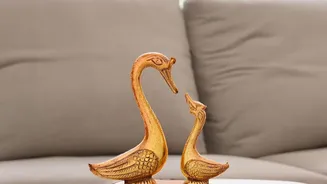
The versatility of brass makes it a perfect fit for contemporary apartments. Its warm, golden tone adds a touch of elegance and sophistication that can elevate any space, from minimalist to maximalist. In modern interiors, you'll find brass used in subtle yet impactful ways: as sleek light fixtures, minimalist drawer pulls, elegant mirror frames, or statement decorative pieces like an urli bowl filled with water and floating flowers. Brass lamps (diyas) and small idols, which hold deep spiritual and cultural significance in India, are also being displayed as artful objects that connect the home to tradition. The material develops a natural patina over time, a unique character that tells a story—a quality highly valued by those who want their homes to feel authentic and lived-in.
Decor as a Statement of Identity
Ultimately, the turn towards Indian handicrafts is a form of self-expression. For many young Indians, curating a home is about creating a space that reflects their identity, values, and personal history. Incorporating items like brass decor is a way to connect with their roots in a modern, globalised world. It’s a quiet rebellion against generic, mass-produced aesthetics and a declaration of pride in local craftsmanship and cultural narratives. The home becomes more than just a place to live; it transforms into a personal sanctuary, a curated collection of meaningful objects that bring joy, comfort, and a sense of belonging. This trend shows that for Gen Z, a well-designed apartment isn't just about looking good—it's about feeling connected.