
Embrace the 'Dum Pukht' of Awadh
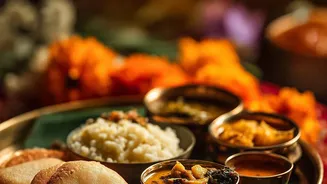
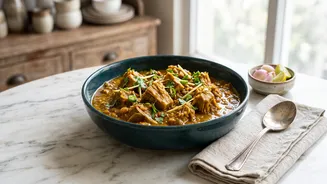
Originating from the royal kitchens of Awadh in Uttar Pradesh, 'Dum Pukht' is the art of slow cooking in a sealed, heavy-bottomed pot. The name literally means ‘to breathe and to cook’. This technique allows vegetables and spices to cook in their own
juices, leading to an incredible melding of flavours that is impossible to achieve with quick cooking. For a festive meal, try this with your star vegetable curry. After sautéing your base masala and vegetables, seal the pot (a traditional 'handi' or a modern Dutch oven) with a dough lid or a tight-fitting lid with a cloth. Let it simmer on the lowest possible flame. This method works wonders for dishes like Dum Aloo or a mixed vegetable korma, making the gravy richer and the vegetables exceptionally tender while deeply infused with spices.
Master the 'Bhunao' from North India
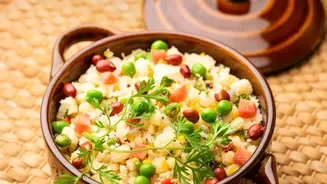
The secret to any great North Indian curry, from chana masala to matar paneer, lies in the 'bhunao' or 'bhuna' technique. This is the patient process of frying your base aromatics—onions, ginger, garlic, and tomatoes—with ground spices until the raw smell disappears and the oil begins to separate from the masala. Most home cooks rush this step, resulting in a curry that tastes flat. Proper bhunao caramelises the onions and tomatoes, building a deep, complex, and savoury foundation. To perfect it, keep the heat on medium and stir frequently. As the water evaporates, the mixture will thicken, darken, and become glossy. This visual cue, known as 'tel chhodna' (releasing the oil), is your sign that the base is ready for the main ingredients.
Discover Bengali 'Panch Phoron' Tadka
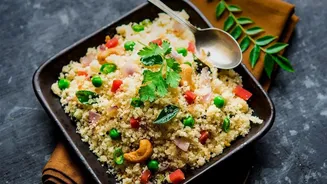
'Tadka', or tempering, is a technique used across India, but the Bengali version offers a unique flavour profile with 'Panch Phoron'. This is a five-spice blend of whole seeds: cumin, fennel, nigella, fenugreek, and mustard or radhuni (wild celery seeds). Unlike powdered masalas, these whole seeds are fried in hot oil or ghee until they pop and splutter, releasing their distinct aromas right at the start of cooking. This method adds a multi-layered, aromatic punch and a gentle textural crunch to vegetarian dishes. It’s exceptionally good with potatoes, pumpkin, cauliflower, and lentils. Simply heating mustard oil, adding the panch phoron, and then tossing in your vegetables can transform a simple side dish into a fragrant showstopper.
Try the 'Dhungar' Smoking of Rajasthan
For a restaurant-quality smoky flavour without a tandoor, look to the 'Dhungar' technique from Rajasthan. This ancient method involves infusing a dish with the smoke from a live piece of charcoal. It's a final finishing step that adds a captivating, earthy aroma to dals, paneer dishes, or even raita. To do it at home, place a small steel bowl in the centre of your cooked dish. Heat a piece of natural lump charcoal on an open flame until it’s red hot, then place it in the bowl. Pour a teaspoon of ghee over the hot charcoal, and as it begins to smoke profusely, immediately cover the main pot with a tight lid. Let it sit for a few minutes to trap the smoke. This technique is especially effective for making a memorable Dal Makhani or a smoky Paneer Masala.
Adopt South Indian Roasting and Fermentation
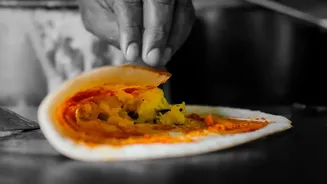
South Indian cuisine provides a masterclass in extracting flavour from vegetables through simple, yet effective, techniques. One is the art of roasting. Vegetables are often dry-roasted or pan-fried with minimal oil and a coating of spices until they are browned and crisp, concentrating their natural sugars. This method works beautifully for festive side dishes using potatoes, carrots, or parsnips. Another cornerstone is fermentation, famously used for idli and dosa batter. This process not only makes the food easier to digest but also imparts a signature tangy flavour that beautifully complements spiced accompaniments. Incorporating fermented elements, like a freshly made dosa or idli, can bring a light and tangy contrast to a rich festive menu.