

The Great Urban Squeeze
India's cities are expanding at a breathtaking pace, with millions moving to urban centres for jobs, education, and a different way of life. This rapid urbanisation is creating immense pressure on the housing market, fundamentally changing the way we
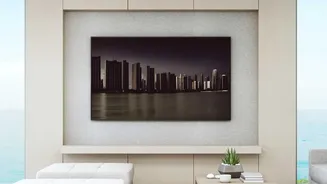
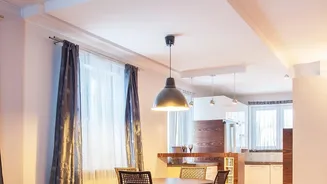
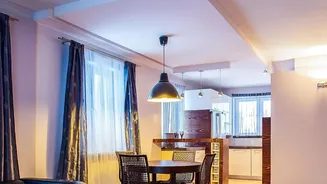
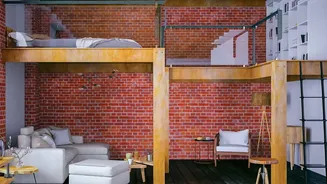
live. While there's a growing demand for larger luxury homes among some buyers, many urban dwellers, especially in packed metropolitan areas, are finding themselves in increasingly compact apartments. Faced with soaring real estate prices, the dream of a sprawling home is giving way to the reality of making the most out of every square foot. This shift is not just about downsizing; it's about rethinking the very concept of home and functionality. As nuclear families and single professionals populate city centres, the demand for efficient, space-saving living solutions has never been higher.
Enter Smart Furniture
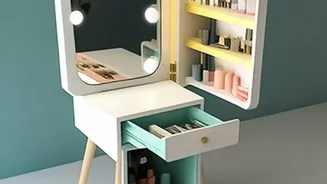
This is where smart furniture steps in. Far from being a gimmick, it represents a clever response to the challenges of modern urban life. But what exactly is 'smart' furniture? The term extends beyond traditional foldable or multi-use items like a sofa-cum-bed. Today's smart furniture integrates technology to offer enhanced convenience, comfort, and efficiency. Think of a coffee table that also houses a mini-fridge and Bluetooth speakers, a bed that silently retracts into the ceiling to free up floor space during the day, or a work desk that adjusts its height with a simple voice command. The growth in India's smart furniture market reflects this trend, with projections showing a significant rise as more households adopt connected devices and look for furniture that complements their digital lifestyles.
Maximising Space and Function
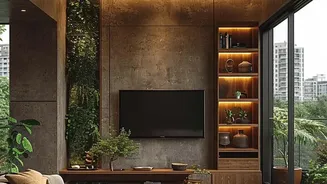
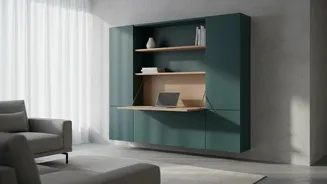
The primary appeal of smart furniture in a compact apartment is its ability to make a small space live large. By serving multiple purposes, a single piece of furniture can eliminate the need for several others, instantly decluttering a room. A wall bed that transforms into a dining table or a home office desk is a perfect example, allowing a studio apartment to function as a bedroom, dining room, and workspace without feeling cramped. Tech integrations add another layer of functionality. Built-in wireless charging pads in a nightstand remove the clutter of cables, while app-controlled lighting in a bookshelf can change the ambience of a room. This blend of multifunctionality and technology helps create a living environment that is not only space-efficient but also seamlessly integrated with our connected lives.
The Rise of the Smart Home Office
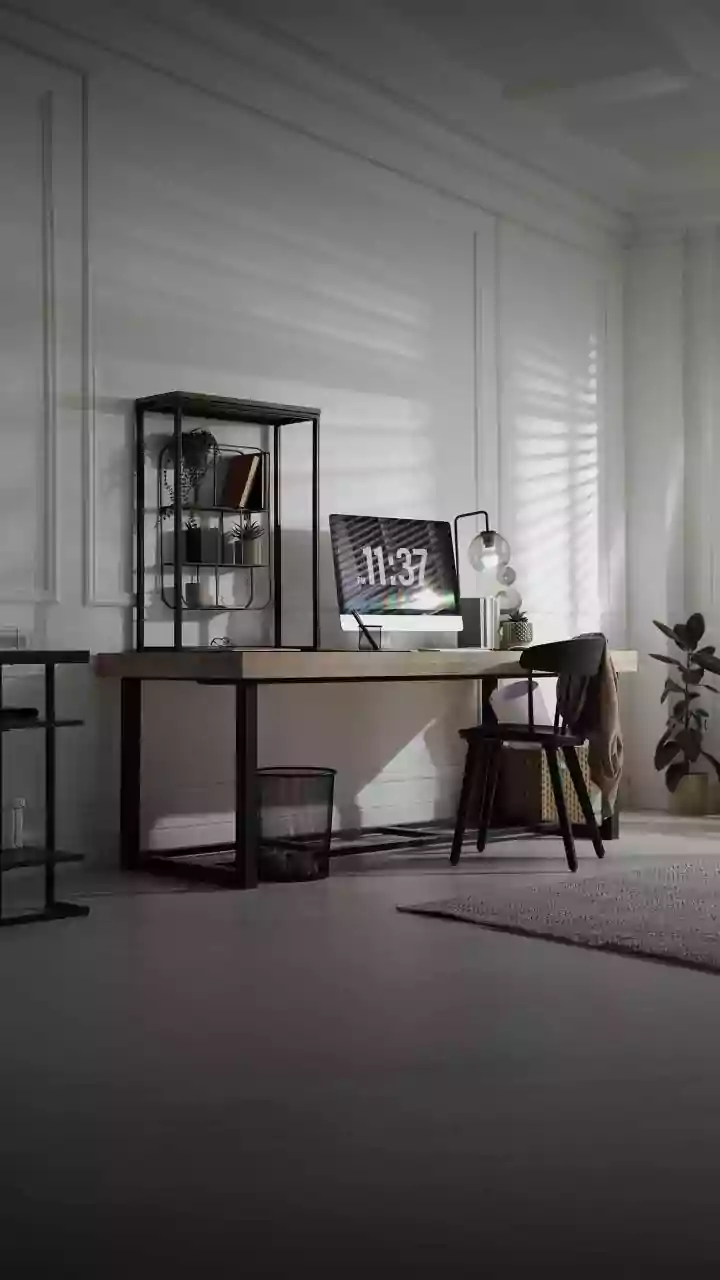
The post-pandemic shift towards remote and hybrid work has further accelerated the demand for intelligent home solutions. Carving out a dedicated workspace in a small apartment can be a challenge. Smart furniture offers an elegant solution. Ergonomic chairs that monitor and correct your posture and height-adjustable desks are becoming increasingly popular among professionals working from home. These pieces not only save space but also promote health and wellness, addressing the physical strains of spending long hours at a desk. As the lines between home and office continue to blur, furniture that can adapt to both work and leisure is becoming an essential investment for the modern Indian professional.
Cost and Accessibility
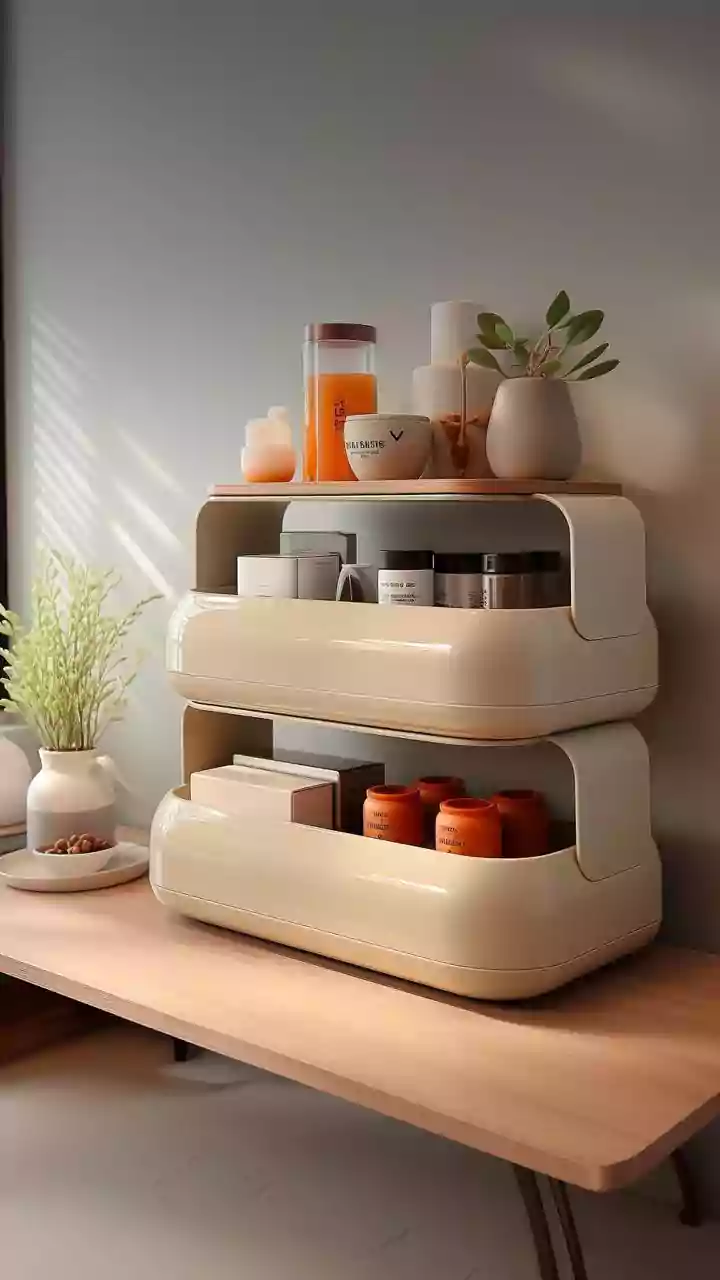
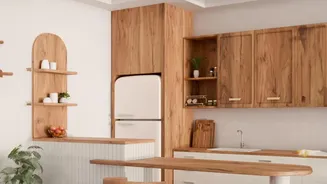
Despite its growing popularity, the high initial cost remains a significant barrier for many. A sofa with integrated tech can be considerably more expensive than its non-smart counterpart. However, as the market grows and more players enter the field, prices are gradually becoming more competitive. Local manufacturing initiatives and a growing consumer base are expected to drive down costs over time. Furthermore, the definition of 'smart' is broadening. You don't need a fully automated home to benefit from the trend. Simple, clever designs like modular shelving, expandable tables, and furniture with built-in storage offer space-saving benefits without the premium price tag of high-tech integrations. The market is also seeing a rise in sustainable options, with consumers showing a preference for energy-efficient and eco-friendly materials.