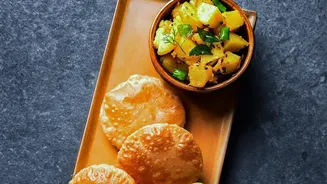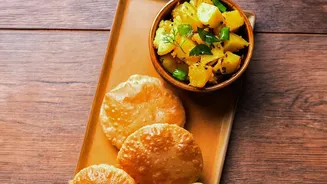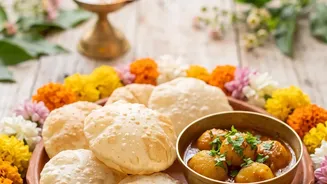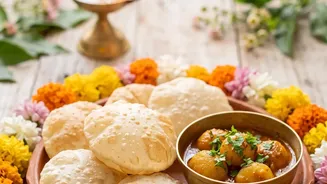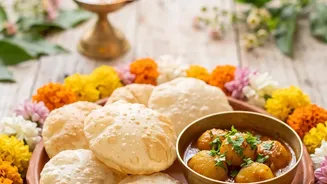

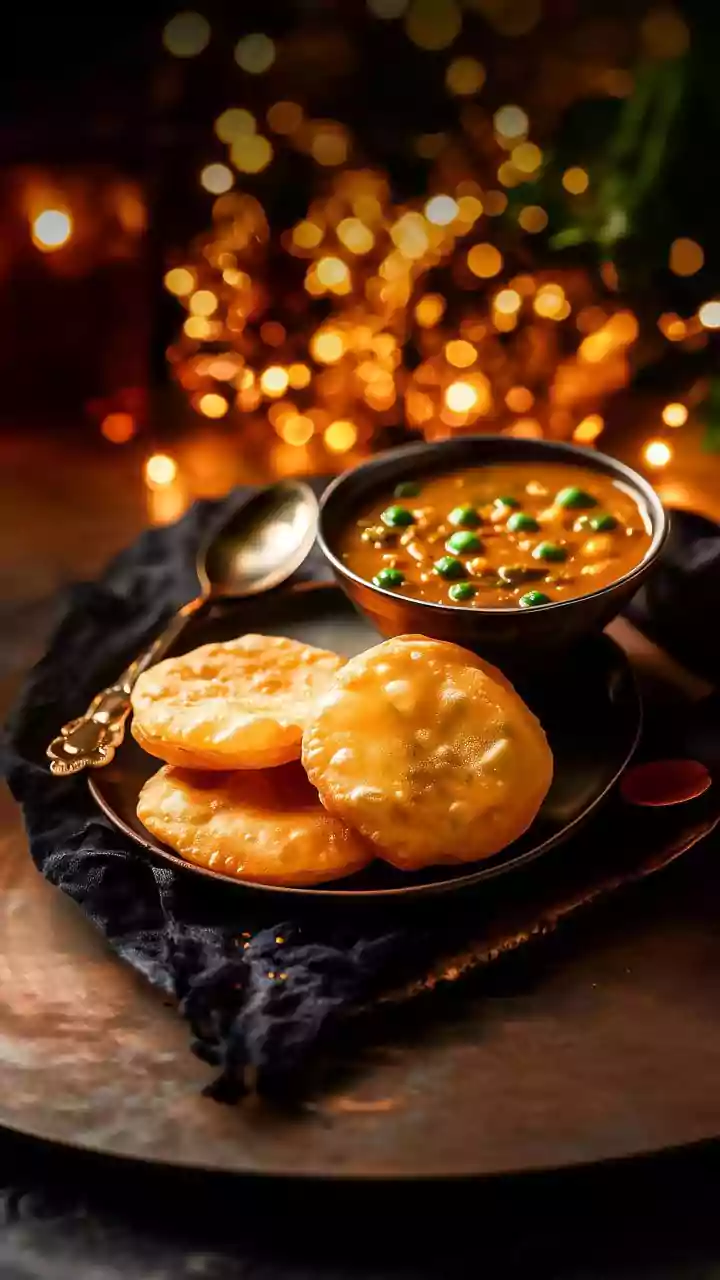

It's a sight and scent that defines mornings across India: the sizzle of dough hitting hot oil and the aroma of a gently spiced potato curry. Puri sabzi is more than breakfast; it's a feeling of home, celebration, and comforting tradition.
The Perfect Culinary Partnership
At its heart,
the magic of puri sabzi lies in its simplicity and the perfect contrast it offers. You have the puri: a golden, puffy disc of unleavened wheat-flour bread, deep-fried to achieve a delightful state of being simultaneously crisp on the outside and soft within. Then you have its steadfast companion, the sabzi. Most often, this is aloo ki sabzi—a humble yet flavourful potato curry. The potatoes are boiled until tender and then simmered in a gravy that varies from one kitchen to another. It might be a thin, tangy preparation vibrant with tomatoes, ginger, and a hint of asafoetida, or a thicker, more robust curry. The soft, absorbent puri is the perfect vessel for scooping up the spiced potatoes, creating a bite that is deeply satisfying.
A Dish with Countless Faces
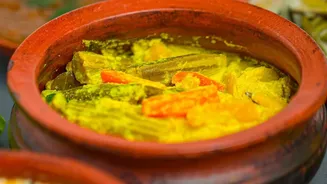
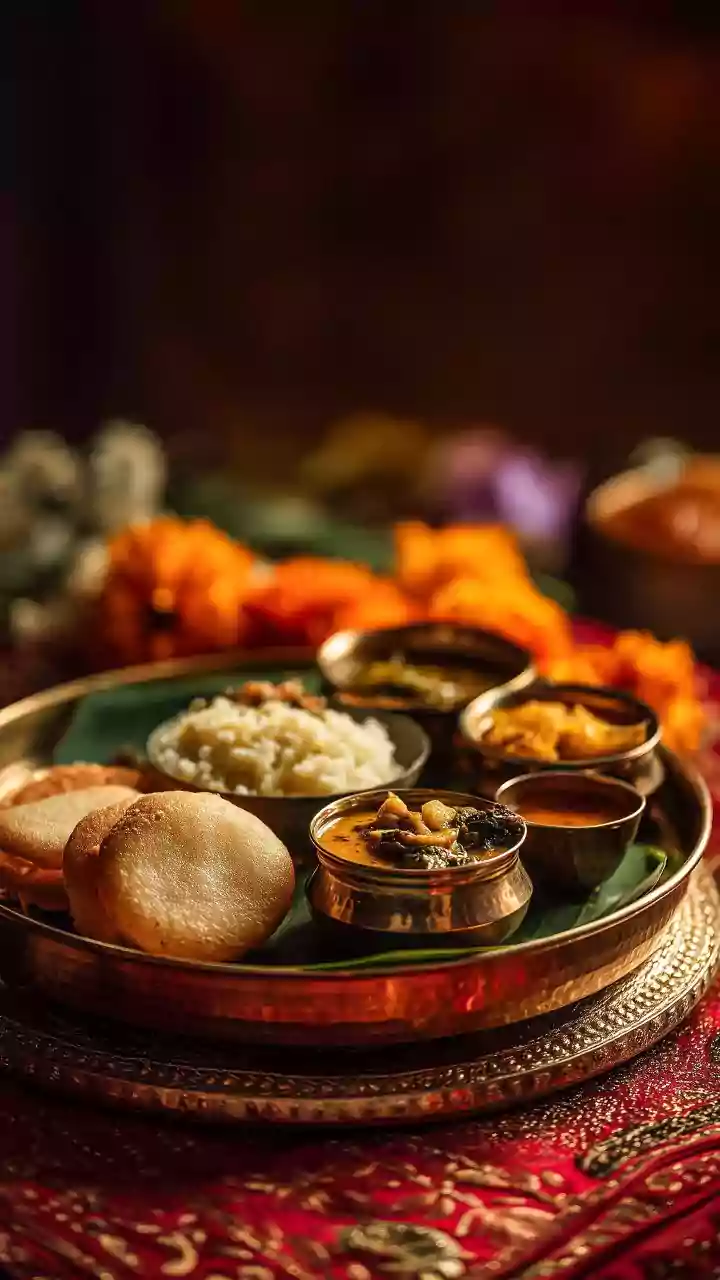
While the combination of puri with aloo is a classic, the dish is a culinary chameleon, adapting to regional palates across the country. In North India, especially Uttar Pradesh, you'll often find 'dubki wale aloo', a soupy, spicy potato curry that is the quintessential partner for puris. Head east to Bengal, and the puri, known as 'luchi' and often made with refined flour (maida), might be served with a mildly spiced cholar dal (lentil curry) or a dry potato dish. In Punjab, a heartier breakfast might feature puris alongside chole (chickpea curry). Meanwhile, in Gujarat, the sabzi may have a subtly sweet and tangy flavour profile, reflecting the local cuisine. There are even puris with different flours or with pureed vegetables like spinach (palak puri) or beetroot mixed into the dough, adding colour and nutrition. This versatility ensures that almost every Indian has their own cherished version of the dish.
More Than a Meal: A Cultural Staple
Puri sabzi's significance extends far beyond the breakfast table. It's a dish woven into the fabric of Indian life, marking occasions both big and small. For many families, it is the undisputed choice for a lazy Sunday breakfast or a special weekend brunch. Its presence is strongly felt during festivals; on days like Diwali or Durga Puja's Ashtami, the aroma of frying puris is a signal of celebration and togetherness. In many temples, it is served as 'bhandara' or 'prasad', a blessed offering to devotees. Simultaneously, it holds its own as a beloved street food, providing a quick, affordable, and filling meal for people from all walks of life. Whether served on a banana leaf at a feast, a steel plate at home, or a disposable plate from a roadside vendor, puri sabzi connects people through shared taste and memory.
A Surprising History
While the puri itself has ancient roots in the subcontinent, with some historians noting its existence since the Vedic period, the classic 'aloo sabzi' we love today is a more modern creation. Interestingly, key ingredients like potatoes, tomatoes, and chillies were introduced to India by European traders, primarily the Portuguese and Spanish, only after the 16th century. This means that the fiery, tangy potato curry is a product of culinary evolution, a delicious blend of Indian cooking techniques and ingredients from the New World. The distinction between 'pucca khaana' (food cooked in ghee, considered pure and suitable for rituals) and 'kaccha khaana' (raw or water-based foods) in ancient culinary traditions also elevated the puri, as it was deep-fried in ghee, making it a food fit for auspicious occasions.