




The Ghost Pepper's Allure
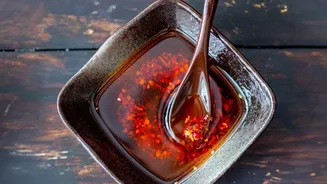
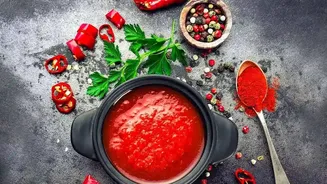
Once certified as the world's hottest pepper, the Bhut Jolokia, or Ghost Pepper, is more than just a source of extreme heat. Native to the states of Assam, Nagaland, and Manipur, this chili boasts a Scoville rating that can exceed one million units—about
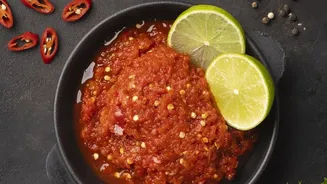
400 times hotter than a jalapeño. But chefs and food lovers are drawn to it for reasons beyond the burn. Before the intense heat floods your palate, the Bhut Jolokia offers a surprisingly complex and delicate flavor profile: it's slightly sweet, fruity, and even smoky. This nuanced taste is what sets it apart from other super-hot chilies that often provide heat without much flavor. This unique combination makes it an incredibly versatile ingredient, capable of adding both a fiery punch and aromatic depth to everything from marinades to sauces.
Fermentation's Umami Magic
Parallel to the rise of the Bhut Jolokia is the growing appreciation for the Northeast's rich tradition of fermentation. For centuries, communities in the region have used fermentation not just to preserve seasonal ingredients, but to create entirely new layers of flavor. While the rest of India often pickles with oil and spices, Northeastern fermentation focuses on drawing out natural flavors, resulting in products rich in umami—the savory 'fifth taste'. Ingredients like 'axone' or 'akhuni' (fermented soybeans from Nagaland) and various fermented bamboo shoot and fish pastes ('ngari' in Manipur) are staples in their home kitchens. These pastes bring a pungent, funky, and deeply savory character to dishes, a complexity that cannot be replicated with simple spice blends. This 'funk' is precisely what modern chefs are seeking to create memorable, layered dishes that stand out.
A Perfect Match for Fusion
So why are these specific ingredients booming in urban fusion cafés now? The answer lies in their ability to solve a modern culinary puzzle: how to create bold, innovative flavors that are still grounded in Indian heritage. The Bhut Jolokia offers intense, clean heat with a fruity aroma, perfect for cutting through rich ingredients in a burger patty or adding a sophisticated sting to a cocktail. Fermented pastes, meanwhile, provide a savory depth and umami kick that elevates a simple dipping sauce, soup, or curry into something extraordinary. Together, they offer a complete toolkit of flavor—heat, aroma, and savory depth. This allows chefs to move beyond predictable fusion tropes and create dishes that are genuinely new and exciting, from Bhut Jolokia-infused chicken steaks in Kozhikode to Naga chili chutneys served with continental platters in metro cities.
Beyond the Plate: A Cultural Shift
The embrace of these ingredients is more than just a passing trend; it signifies a broader cultural shift in India's culinary landscape. For years, the diverse and distinct cuisines of the Northeast were largely unknown to the rest of the country. Their appearance on menus in Delhi, Mumbai, and Bengaluru represents a growing curiosity and respect for India's regional culinary diversity. Diners are becoming more adventurous, eager to explore flavors beyond the familiar. By featuring Bhut Jolokia and fermented products, cafés are not just adding a 'spicy' option to their menu; they are introducing a piece of Northeastern culture and heritage to a wider audience. It's a celebration of indigenous ingredients and traditional techniques, proving that the future of Indian food is not just about looking outward, but also looking inward to the incredible diversity within our own borders.