





The End of the Itinerary
For decades, the great Indian vacation was a frantic sprint. It involved covering five cities in seven days, taking photos at every landmark, and returning exhausted. That model is quickly becoming a thing of the past. A 2026 Airbnb report found that
seven in ten Gen Z travellers in India prefer taking multiple short trips over one long annual holiday. This generation is intentionally leaving parts of their schedule unplanned, swapping rigid itineraries for spontaneous exploration. The goal is no longer to 'do' a destination but to simply 'be' in it. This shift away from hyper-scheduled tourism signals a deeper change in what young Indians want from their time off: rest, connection, and a genuine break from the pressures of daily life.
A Response to Burnout Culture
A key driver of this move towards slower travel is pervasive workplace burnout. With some surveys reporting that over 70% of Indian Gen Z and millennials feel exhausted by their jobs, the need for restorative breaks has become critical. The traditional, action-packed vacation often fails to provide real rest. Slow travel, on the other hand, acts as a recovery mechanism. It allows for a mental unwind, with travellers seeking out nature and tranquillity over crowded hotspots. The pandemic accelerated this, reinforcing a desire for work-life balance and prompting many to re-evaluate their priorities. A quick, chaotic trip no longer feels like a solution; a longer, more peaceful stay does.
The Rise of Workations
The widespread adoption of remote and hybrid work has been a catalyst for this new travel style. The 'workation' — combining work with a vacation — has moved from a niche concept to a mainstream practice, especially among young professionals in tech and creative fields. With the flexibility to work from anywhere, many are swapping city apartments for homestays in the hills or by the beach for weeks or even months at a time. This allows them to explore a new place deeply during evenings and weekends without using up their annual leave. Improved internet connectivity in even remote areas and a boom in work-friendly accommodations have made this lifestyle more accessible than ever.
Discovering India’s Hidden Gems
This new travel mindset also involves a deliberate move away from over-touristed destinations. Instead of heading to the usual hotspots, young travellers are seeking out offbeat locations. Places like Ziro in Arunachal Pradesh, the Gurez Valley in Kashmir, or coastal towns in Karnataka like Gokarna are gaining popularity. This is partly a reaction against the 'performance' of travel on social media, with many young Indians actively seeking places that haven't gone viral. By exploring lesser-known towns and villages, travellers are not only finding more authentic experiences but also contributing to local economies in a more sustainable way. Homestays and local guesthouses are preferred over large hotel chains, fostering a deeper connection with the place and its people.
What 'Slower' Looks Like
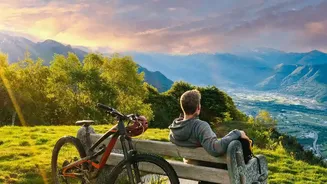
So, what does a 'smaller, slower getaway' actually entail? It could mean renting a single villa in Wayanad for a week instead of rushing through three cities in Kerala. It might involve a month-long stay in a quiet corner of Goa, working during the day and learning to surf in the evenings. It's about spending an entire afternoon at a local café, trekking to a nearby waterfall instead of a famous monument, or taking a local cooking class. According to a Thrillophilia travel index, there has been a 21% rise in slower, better-paced itineraries, with single-base trips increasing by 36%. It's a travel style defined by depth over distance, favouring personal enrichment over a packed schedule.