





The Landscape: Sprawling Greens vs. Majestic Blues
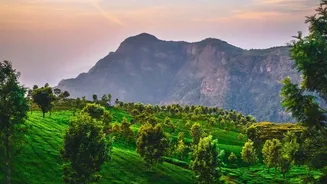
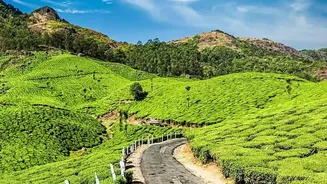
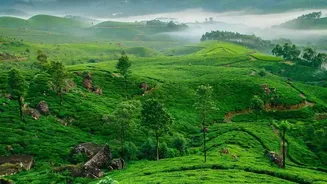
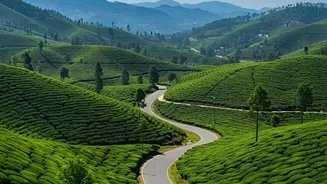
Your first point of decision is the scenery you want to wake up to. Munnar, in Kerala, is a world of unending green. Its identity is woven into its vast tea plantations that carpet the rolling hills in a vibrant emerald. The landscape feels boundless,
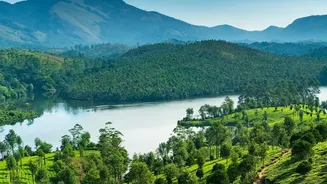
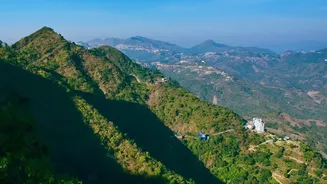
wild, and incredibly lush after the rains. The air is thick with the scent of tea and damp earth. It is a place of dramatic valleys and misty peaks, offering a feeling of being immersed in raw, untamed nature.Ooty, nestled in Tamil Nadu's Nilgiris or 'Blue Mountains', offers a different charm. While it also has tea gardens, its visual signature is the towering pine forests and groves of eucalyptus. The scenery feels more structured, with manicured botanical gardens, serene lakes, and a distinct colonial-era layout. The 'blue' in Nilgiris comes from the smoky haze of the eucalyptus and the purplish bloom of the Kurinji flower, creating a picturesque, almost painterly, landscape.
November Vibe: Post-Monsoon Serenity or Pleasant Bustle
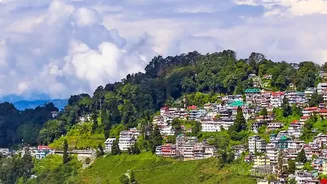
November is an ideal month for both destinations, as the heavy rains have passed, leaving everything refreshed and green. In Munnar, the weather is typically cool and pleasant, with misty mornings giving way to sunny afternoons. It’s the shoulder season, meaning you get all the beauty with fewer crowds than in the peak winter months. It's the perfect time for quiet contemplation, long walks through tea estates, and enjoying the waterfalls, which are still full. The atmosphere is one of serene solitude.Ooty in November is similarly pleasant, with cool days and crisp, chilly nights. Because it is one of South India’s most established hill stations, it retains a gentle bustle. The main attractions like Ooty Lake and the Botanical Gardens are lively. It’s a social and accessible atmosphere, perfect for families and travellers who enjoy having plenty of amenities, shops, and restaurants close at hand. The post-monsoon clarity offers stunning views from vantage points like Doddabetta Peak.
Activities and Sightseeing: Nature Trails vs. Classic Attractions
In Munnar, the activities are deeply connected to nature. You can visit the Tata Tea Museum to understand the region's primary industry, take a guided tour through a plantation, or visit Eravikulam National Park, home to the endangered Nilgiri Tahr. Drives to Top Station for panoramic views or Mattupetty Dam for boating are essential experiences. It’s a destination for trekking, bird watching, and simply soaking in the tranquil environment.Ooty’s attractions are more iconic and varied. A ride on the Nilgiri Mountain Railway, a UNESCO World Heritage site, is a must-do. Strolling through the Government Botanical Gardens or taking a boat out on Ooty Lake are classic holiday activities. You can drive up to Doddabetta Peak for a 360-degree view of the Nilgiris or explore the colonial architecture. Ooty offers a more 'checklist-friendly' itinerary for those who like to visit well-known spots.
Accessibility and Travel: The Journey Matters
Reaching your destination is part of the holiday. To get to Munnar, the nearest major airport and railway station is in Cochin, Kerala, about 130 kilometres away. The drive from Cochin is incredibly scenic, winding through hills, spice plantations, and waterfalls, taking about four to five hours. Local travel in Munnar requires hiring a cab or auto-rickshaw to navigate the spread-out attractions.Ooty is generally more accessible. The closest airport is in Coimbatore, Tamil Nadu, around 88 kilometres away. From there, you can hire a taxi for a three-to-four-hour drive. Alternatively, you can take the charming Nilgiri Mountain Railway from Mettupalayam up to Ooty. Being a larger town, getting around within Ooty is slightly easier, with more options for local transport.