





The Deluge and the Gridlock
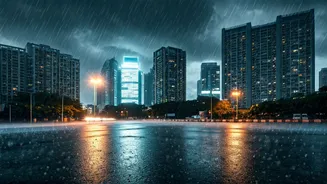
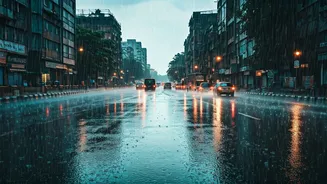
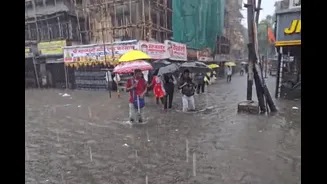
The southwest monsoon, after a 13-day delay, made a powerful entry into Mumbai this week. Overnight rains on Tuesday and Wednesday dumped over 300 mm of water in some parts of the city, causing widespread disruption. The Western Express Highway, a critical
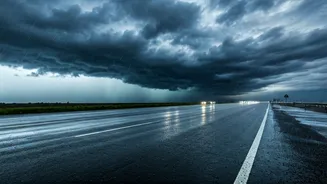
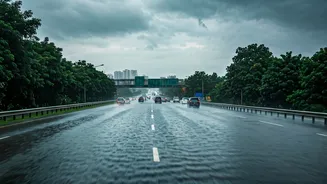
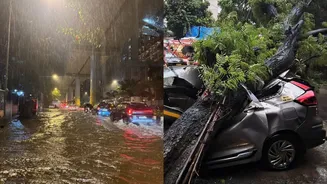
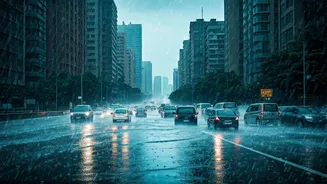
artery connecting the suburbs to the island city, predictably bore the brunt of the chaos. Commuters reported severe congestion and standstill traffic, particularly during peak hours, with issues exacerbated by waterlogging and vehicle breakdowns. An accident involving a tempo on Monday had already set the stage for a difficult week, and subsequent heavy showers fulfilled that prophecy, leading to massive traffic snarls. While some official updates on Wednesday afternoon described the highway as clear, the preceding hours and days painted a familiar picture of monsoon misery for thousands of daily commuters.
Anatomy of a Monsoon Jam
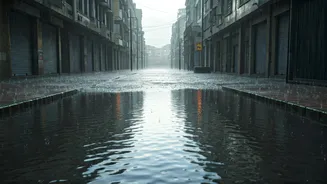
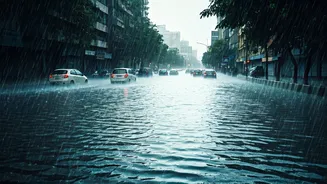
Why does one of Mumbai's most important roads seize up so reliably every year? The answer is a cocktail of recurring problems. Waterlogging remains the primary villain. Low-lying areas and underpasses, like the one in Andheri, are frequently inundated, forcing closures and creating choke points that ripple across the network. The sheer volume of rain in a short period—sometimes accounting for a significant percentage of the month's average in a single day—overwhelms the city's drainage systems. Adding to the woes are the infamous potholes and damaged road surfaces, which become invisible, treacherous traps for vehicles, especially two-wheelers, leading to accidents and further slowdowns. Unfinished roadwork and ongoing construction projects often leave surfaces uneven and prone to mud accumulation, creating dangerously slick patches.
The BMC's Battle Against Water
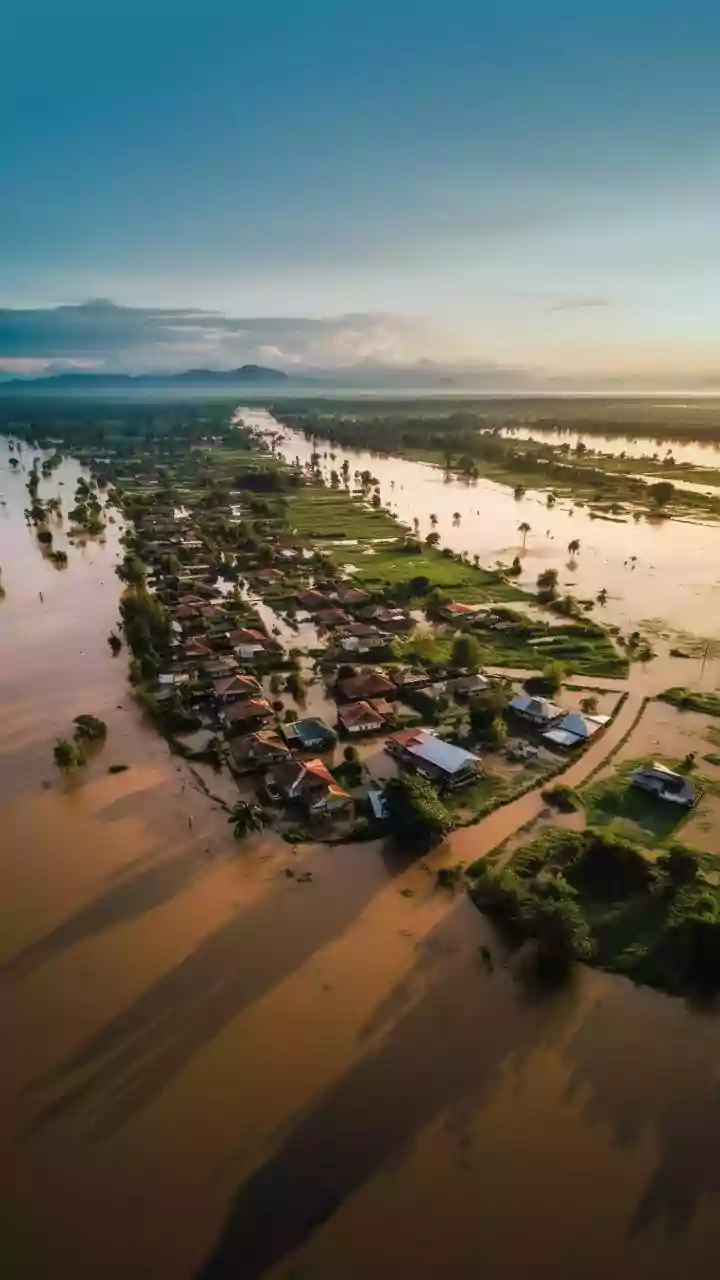
Every year, the Brihanmumbai Municipal Corporation (BMC) publicises its pre-monsoon preparedness. This year, the civic body claimed to have deployed hundreds of dewatering pumps at flood-prone spots and undertaken extensive desilting of drains and the Mithi River to increase their holding capacity. However, the season's first heavy downpour has once again exposed gaps between claims and reality. While the BMC stated that pumps were operational and helped clear water from key subways like Andheri, several low-lying areas across the city were still heavily waterlogged. Officials and political leaders have called for more intensive efforts in cleaning drains to prevent such disruptions, highlighting that the problem persists despite annual preparations. The combination of intense rain with high tides, a frequent occurrence in coastal Mumbai, further complicates drainage and increases the risk of flooding.
Navigating the Chaos: A Commuter's Guide
For those who must travel, navigating the WEH during a downpour requires strategy and patience. The most crucial tool is real-time information. Before heading out, check traffic updates from reliable sources like the Mumbai Traffic Police's social media handles. Apps like Google Maps can provide live traffic data, helping you spot congestion zones. If possible, avoid peak hours (mornings and evenings) on days with heavy rain forecasts. While direct alternatives to the WEH are limited for many routes, sometimes internal roads or the Eastern Express Highway (for those travelling across the city) might be less congested, though they have their own waterlogging-prone spots. If you must use the WEH, drive cautiously, maintain a safe distance from other vehicles, and be extremely wary of submerged potholes. For bikers, the risk of skidding is significantly higher, and extra care is essential.