





Mastering the Art of Layering
The temperature inside a train carriage is famously unpredictable. It can swing from overly stuffy to intensely air-conditioned over the course of a single journey. Relying on one bulky jacket is a common mistake. The solution is a smart layering system
that allows you to adapt. Start with a breathable base layer, like a soft cotton t-shirt. Add a comfortable mid-layer, such as a fleece or a light sweater, that you can easily put on or take off. Your outer layer should be a light jacket or even a large scarf or shawl that can double as a blanket. This modular approach ensures you can create your own microclimate, staying comfortable whether the carriage is warm or chilly. Loose-fitting clothes are always preferable for long periods of sitting.
The Power of Silence and Darkness
A train is a symphony of sounds: the rattle of the wheels, the hiss of the brakes, announcements, and the chatter of fellow passengers. For light sleepers, this can make rest impossible. A good pair of earplugs is not a luxury but an essential item. Foam earplugs with a high Noise Reduction Rating (NRR) are effective at blocking a wide range of sounds, while silicone or wax options can offer a more customized fit. For those who need to completely disconnect, noise-cancelling earbuds can also create a quiet personal space. Complement your earplugs with an eye mask to block out corridor lights and the early morning sun, signaling to your body that it's time to rest.
Building Your Comfort Kit
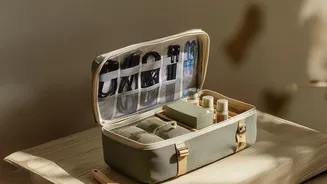
Beyond the absolute essentials, a few extra items can dramatically improve your experience. A travel pillow is crucial for preventing neck stiffness, especially if you don't have a window seat to lean against. While some trains provide linens in sleeper cabins, a small travel blanket or even a sarong offers a comforting and familiar touch in a coach seat. Don't forget basic toiletries. A small bag with a toothbrush, toothpaste, face wash, and wet wipes can make you feel human again after a long night. Slip-on shoes are also a great idea for easy nighttime trips to the restroom without having to fumble with laces.
Snacks, Hydration, and Security
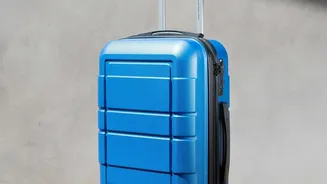
While many long-distance trains have a dining car or offer snacks, the quality and availability can be inconsistent. Packing your own non-perishable snacks like nuts, granola bars, or fruit ensures you have something to eat if hunger strikes at an odd hour. Equally important is staying hydrated. Bring a reusable water bottle that you can fill before boarding. Security is another key consideration. Keep your most valuable items—wallet, phone, passport—in a small bag that you can keep on your person, even while you sleep. A money belt worn under your clothes is a secure option. For larger luggage, a simple cable lock to secure it to the rack can provide peace of mind.
Creating a Bedtime Routine
The final step is to create a semblance of a normal bedtime routine. Before you try to sleep, change into your comfortable layers. Brush your teeth, wash your face, and take a moment to stretch your muscles. If you enjoy reading before bed, have a book or e-reader handy instead of looking at a bright phone screen, which can interfere with sleep. Setting a vibrating alarm on your phone or watch for a few minutes before your scheduled arrival will allow you to relax fully without the anxiety of missing your stop. This simple sequence helps signal to your brain that despite the unusual surroundings, it is time to wind down and rest.