





Why Static Timetables Fail in July
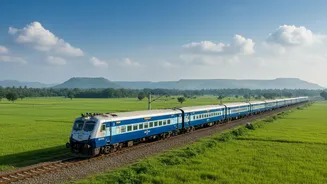
July is a dynamic month for Indian Railways. The monsoon season, which can last until October in some regions, forces authorities to implement revised timetables and speed restrictions to ensure passenger safety on vulnerable routes like the Konkan Railway.
Beyond pre-planned monsoon schedules, sudden, heavy rainfall can cause waterlogging on tracks, leading to last-minute cancellations, diversions, and delays, as seen recently in Mumbai. Furthermore, Indian Railways frequently carries out essential engineering and maintenance work during this period, resulting in 'traffic blocks' that temporarily shut down lines. For instance, recent works in the Southern Railway's Madurai and Salem divisions, and the Karjat-Lonavala section of Central Railway, have led to numerous cancellations and route changes. Relying on a printed or saved schedule from a week ago—or even a day ago—could leave you stranded.
Your Official Source: The NTES App
The most reliable tool in your arsenal is the National Train Enquiry System (NTES). As the official app from Indian Railways, it provides the most authoritative information. Its 'Spot Your Train' feature offers near real-time location data, expected arrival times, and delays. Crucially, it also lists rescheduled, diverted, and cancelled trains across the country. While several third-party apps exist, Indian Railways has specifically advised passengers to use NTES for accuracy, as it is directly linked to their internal systems. You can use the app to check a train's live status before you even leave home, saving you a wasted trip to the station.
The Secret Weapon for Platform Changes
One of the biggest anxieties of train travel is the last-minute platform change. A mad dash over a crowded footbridge with luggage is a scenario every regular traveller dreads. NTES is also your best friend here. The app's 'Live Station' feature shows which trains are arriving at or departing from a station in the next few hours, often including the assigned platform number. While some third-party apps like ixigo and RailYatri also offer this feature, the official NTES data is considered the primary source. However, remember this important rule: check the platform number about 20-30 minutes before you reach the station for the most current information. Last-minute operational changes are common, so a check the night before is not reliable.
When Third-Party Apps Can Help
While NTES is the official source, some popular third-party apps offer user-friendly interfaces and additional features that travellers find helpful. Apps like 'Where is My Train' are known for their ability to track trains using your phone's GPS even without an internet connection, which is a massive advantage in areas with poor network coverage. This feature often relies on crowdsourced data from other passengers on the train. Others like RailYatri and ixigo bundle services like PNR status predictions, seat availability forecasts, and even booking bus tickets or ordering food. While convenient, always treat the core running information—cancellations, diversions, and platform numbers—from these apps as secondary to what NTES and the station's own display boards show.
The Final Word: Trust the Station
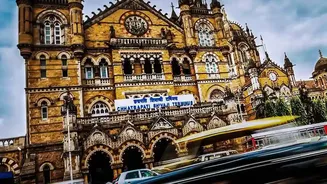
Your smartphone is an invaluable tool for planning, but the ultimate authority on your train's departure is the railway station itself. Always treat the digital display boards and public announcements at the station as the final, absolute source of information. Even the official NTES app can have a data lag of a few minutes. If the board says your train is on Platform 6 but your app says Platform 4, trust the board. These displays are updated directly by station control and reflect the most immediate operational decisions. Arrive at the station with enough time to check the boards, listen to announcements, and move to your platform without rushing.