





Decoding the 'Natural' Promise
The word 'natural' on a food package suggests it's wholesome and unprocessed. However, in India, the term is not as straightforward as it seems. The Food Safety and Standards Authority of India (FSSAI) has regulations that state businesses cannot use
words like 'natural', 'fresh', or 'pure' without meeting specific conditions. These rules are in place to prevent brands from misleading consumers. A 'natural' claim does not automatically mean a product is free from additives or, most importantly, added sugar. It often refers to the source of the ingredients, which can still be highly processed. This is why understanding the full label is much more critical than relying on front-of-pack buzzwords.
The Sneaky Presence of Added Sugar
So why do so many 'natural' products contain high levels of sugar? Added sugars are used to enhance flavour, improve texture, and extend shelf life—even in savoury foods you wouldn't expect, like sauces, breads, and breakfast cereals. While some sugars are naturally present in ingredients like fruit (fructose) and milk (lactose), 'added sugars' are those put in during processing. These provide calories but little to no nutritional benefit. Excessive consumption of added sugars is linked to a range of health issues, including weight gain, type 2 diabetes, and heart disease. The World Health Organization (WHO) and Indian health bodies recommend limiting daily added sugar intake to around 25 grams (about 6 teaspoons) for a healthy adult.
Sugar's Many Disguises
Food manufacturers use over 60 different names for sugar, making it difficult for shoppers to spot. Simply scanning for the word 'sugar' isn't enough. Be on the lookout for ingredients ending in '-ose', such as dextrose, fructose, and maltose. Other common aliases include corn syrup, high-fructose corn syrup, maltodextrin, rice syrup, and even seemingly healthier options like agave nectar, honey, maple syrup, coconut sugar, and fruit juice concentrate. Often, companies use several different types of sweeteners in one product. This tactic, known as 'sugar splitting', allows each type of sugar to appear lower on the ingredients list, which is ordered by weight. This can make the total sugar content seem less significant than it actually is.
How to Become a Sugar Detective
The key to uncovering hidden sugars lies in reading the Nutrition Facts panel and the ingredients list together. In India, FSSAI mandates that labels declare nutritional information, including the total amount of sugar. Crucially, look for the 'Added Sugar' line, which tells you exactly how much sugar was put in during processing, separate from what occurs naturally. The ingredients list provides the next clue. Remember, ingredients are listed in descending order by weight, so if a sugar alias appears in the first few spots, the product is likely high in added sugar. A good rule of thumb is to be wary of products where sugar, in any of its forms, is one of the top three ingredients. Also compare the 'per 100g' column across different products to make a truly informed choice.
Making Genuinely Healthier Choices
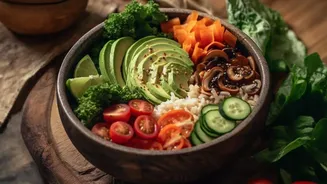
Choosing truly low-sugar 'natural' products doesn't have to be a chore. Start by opting for whole, unprocessed foods whenever possible, like fresh fruits and vegetables, which don't have ingredient lists. When buying packaged goods, prioritise products with short ingredient lists composed of things you recognise. For items like yoghurt or oatmeal, choose the plain, unsweetened version and add your own fresh fruit for natural sweetness and fibre. For sauces and dressings, compare brands and choose the one with the lowest added sugar content. Being a mindful consumer means looking past the appealing claims on the front of the box and using the nutritional information on the back to guide your decisions. This small shift in habit can make a significant difference to your long-term health.