







An Uneven and Worrying Picture
The story of the 2026 monsoon is one of uneven distribution. While the national average rainfall deficit might seem manageable, the real concern lies in the details. As of mid-August, a staggering 46% of India's districts have reported below-normal rainfall.
Key agricultural states like Andhra Pradesh, Uttar Pradesh, and Karnataka are facing significant shortfalls. Even in states with a near-normal average, like Maharashtra, many individual districts are dry. This patchiness is critical because one or two days of heavy downpours cannot compensate for prolonged dry spells that deplete soil moisture when crops need it most, a pattern seen this year. Forecasters have noted that the monsoon is expected to weaken further over the western, central, and southern regions in the coming fortnight, a critical period for newly planted crops.
The Kharif Crop Connection
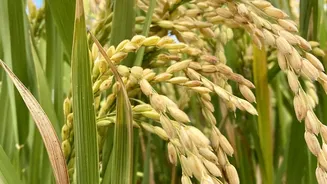
The monsoon's performance is directly tied to the success of the Kharif or summer sowing season, which accounts for a substantial portion of India's annual food production. This is when key staples like rice, pulses, soybeans, cotton, and sugarcane are planted. These crops are highly dependent on rainfall, as nearly half of India's farmland lacks irrigation. A weak or poorly distributed monsoon means delayed sowing and moisture stress for young plants, which can stunt growth and reduce final yields. Sowing of rice, coarse cereals, and pulses has already seen a decline compared to last year. Agricultural experts are particularly concerned about soybean, which is entering a critical growth stage where continued moisture stress could severely impact yields.
The Ripple Effect on Your Plate
Reduced farm output inevitably leads to tighter supplies in the market, which in turn pushes up prices. The most immediate impact is often seen in vegetables, where prices can soar within days due to crop damage and transport disruptions. Essentials like tomatoes, onions, and leafy greens are highly vulnerable. Following closely are pulses and edible oils. A poor harvest of oilseeds and pulses, which are major Kharif crops, can lead to a sustained increase in the cost of cooking oils and dals, staples in every Indian kitchen. For an average urban family, a weak-monsoon scenario could mean spending anywhere from ₹1,000 to ₹3,000 more per month on groceries.
Government and RBI on High Alert
The government and the Reserve Bank of India (RBI) are watching the monsoon's progress closely. Food inflation is a major concern, with the RBI's Monetary Policy Committee flagging an uneven monsoon as a key risk. Rising food prices can fuel headline inflation, complicating the central bank's efforts to maintain price stability and potentially keeping interest rates higher for longer. The government has several tools to mitigate the impact, including releasing food grains from its buffer stocks and adjusting import policies to ensure availability. It is also advising farmers in some regions to shift to short-duration or drought-resilient crop varieties to minimize losses. However, these measures can only provide a partial cushion.
Beyond the Grocery Bill
The impact of a weak monsoon extends far beyond food prices. The agricultural sector is a massive source of livelihood for about half of India's population. Lower crop yields mean reduced farm incomes, which then dampens rural demand for a wide range of goods and services, from tractors to consumer goods. This slowdown in rural consumption can have a significant drag on overall economic growth. Furthermore, the monsoon is vital for replenishing reservoirs, which are crucial for drinking water and generating hydropower. A deficit can lead to water stress and power shortages, creating a cascade of economic challenges.