





A Growing Barrier to Travel
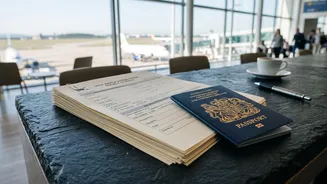
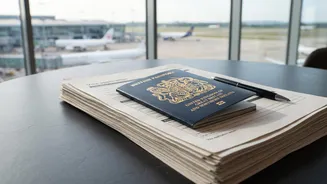
International travel is becoming increasingly influenced by immigration rules, and the trend is clear: difficult processes are a major deterrent. According to IATA's 2026 Global Passenger Survey, 43% of travellers said that immigration requirements discouraged
them from journeying to a particular destination. This marks a significant jump from 33% who felt the same way in 2025. The 10-point increase in a single year suggests that the ease of crossing a border is becoming as critical a factor as flight costs or hotel availability in the minds of modern tourists. The findings, based on over 10,000 responses from more than 200 countries, highlight a widening gap between travellers' embrace of technology and the bureaucratic hurdles they face at national borders.
What Makes a Visa a 'Hassle'?
The primary frustration for travellers isn't necessarily the cost of a visa but its sheer complexity. Of the passengers who were put off by entry requirements, a majority—53%—blamed the complicated nature of the process. Cost and privacy concerns were far less significant, each cited by only 17% of respondents. These 'hassles' can include lengthy application forms, the need for in-person appointments at consulates, long waiting times for approval, and uncertainty about the outcome. For instance, Indian applicants for Europe's Schengen visa faced a rejection rate of nearly 16% in 2025, costing them millions in non-refundable fees. The survey showed a strong preference for digital solutions, with 60% of travellers preferring to apply for visas online rather than in person.
The Economic Price of Paperwork
For countries with cumbersome visa regimes, the economic consequences are becoming more apparent. Every traveller who decides a destination is not worth the bureaucratic effort represents lost revenue for airlines, hotels, restaurants, and local attractions. This trend comes as some nations are already seeing tourism numbers lag behind pre-pandemic levels for various reasons, including safety concerns and rising costs. For example, tourism in Thailand was still down 17% in 2025 compared to 2019, partly due to a slower return of Chinese visitors who face their own economic pressures. When a country adds a complex visa process on top of other challenges, it risks pushing potential visitors toward more welcoming alternatives. This is especially true for travellers from Africa, where 52% reported being deterred by immigration rules—the highest of any region.
The 'Open Door' Advantage
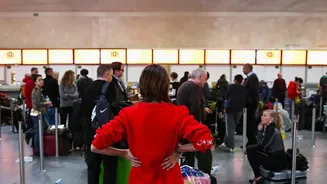
Conversely, countries that simplify their entry requirements are reaping the rewards. Saudi Arabia, for instance, has seen a massive 67% increase in tourist arrivals compared to 2019, driven by its Vision 2030 plan which includes easier access through e_visas. Similarly, destinations like the Maldives have long attracted visitors with visa_on_arrival policies. The IATA report underscores a clear desire from passengers for a smoother process; an overwhelming 86% said they would be willing to share immigration information digitally before departure to speed up airport procedures. As governments increasingly adopt Electronic Travel Authorizations (ETAs) and e_visas, the challenge remains to standardize these systems so they don't simply replace one form of complexity with another.