


The Trouble with Bottled Teas
Store-bought iced teas often promise refreshment but deliver a cocktail of unwelcome ingredients. A single serving can contain over 20 grams of sugar, equivalent to more than five teaspoons. Many "diet" or "zero sugar" versions rely on artificial sweeteners
like aspartame and sucralose, which can be hundreds of times sweeter than sugar and are linked to various health concerns, from gut issues to an increased craving for sweets. Beyond the sweeteners, these drinks are frequently packed with artificial flavours, colours, and preservatives that offer no nutritional value and may have long-term adverse health effects. Making your own beverage isn't just about avoiding the bad; it's about embracing the good.
The Zesty Charm of Lemongrass
Lemongrass, or citronella, is a tall, stalky grass that is a cornerstone of South and Southeast Asian cuisine. Its bright, citrusy aroma and flavour make it a perfect candidate for a refreshing drink. Traditionally, it's been used in folk remedies to promote sleep, relieve pain, and boost immunity. While modern science is still catching up, we know that lemongrass contains several powerful antioxidants and inflammation-fighting compounds. Many people find a warm cup of lemongrass tea to be calming, and its potential anxiety-reducing properties are an area of growing interest. As a chilled infusion, it provides a clean, crisp flavour that naturally cools you down without any need for artificial enhancers.
How to Brew Lemongrass Cooler
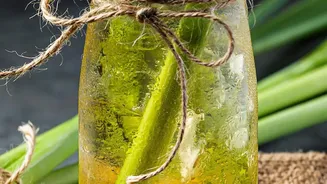
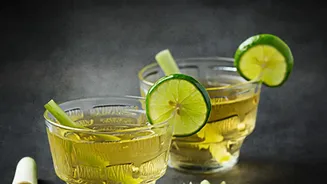
Creating your own lemongrass iced tea is remarkably simple. Take 4-6 fresh lemongrass stalks, remove the tough outer layers, and trim the ends. Lightly bruise the stalks with the back of a knife to help release their aromatic oils, then chop them into smaller, 2-inch pieces. Place the pieces in a large pot with about 1.5 to 2 litres of water and bring it to a boil. Let it boil for about 5-10 minutes, then reduce the heat and simmer for another 10 minutes to deepen the infusion. Turn off the heat and let it cool completely. For a touch of natural sweetness, you can stir in a tablespoon or two of honey while the water is still warm. Strain the liquid into a pitcher, discard the solids, and refrigerate until well chilled. Serve over ice with a slice of lemon for a truly invigorating drink.
The Earthy Cool of Vetiver (Khus)
Vetiver, known in India as 'khus', is a fragrant grass whose roots are the star of a beloved traditional summer cooler. Khus sharbat is a quintessential part of North Indian summers, prized for its exceptional cooling properties and unique, earthy aroma. Unlike the citrusy notes of lemongrass, vetiver offers a deep, woody, and almost smoky fragrance that is incredibly grounding and refreshing. The roots are traditionally used to create a fragrant syrup which is then diluted to make a cooling drink. It’s an age-old remedy for beating the intense Indian heat, celebrated for its ability to cool the body from within.
Crafting a Khus Infusion at Home
Making a khus infusion from scratch is a rewarding process. You'll need about 50 grams of dried vetiver roots, which can be found at many Indian grocery stores. First, rinse the roots thoroughly under running water to remove any dirt. For a deeper flavour, you can chop the roots into smaller pieces and soak them in about a litre of water overnight. The next day, strain the water, which will now be infused with the essence of khus. To make a simple sharbat syrup, you can gently heat this infused water and dissolve sugar or jaggery to your liking, cooking until it thickens slightly. Once cooled, this syrup can be stored in the refrigerator. To serve, simply dilute a few tablespoons of the syrup in a glass of chilled water, add a squeeze of lemon, and enjoy one of India’s most traditional coolers.