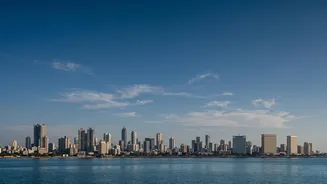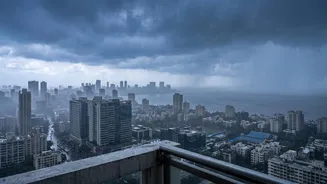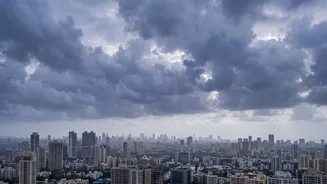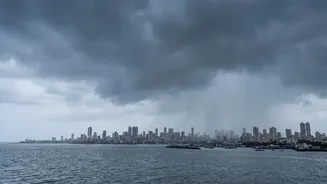





An Unusually Dry August
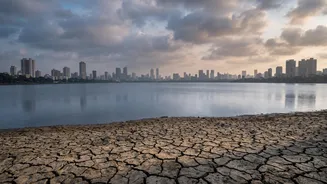
The contrast with a typical monsoon is stark. As of August 25th, the India Meteorological Department (IMD) noted that the Santacruz observatory had recorded just 302.3 mm of rain for the month. This figure is a fraction of the 1054.2 mm received during
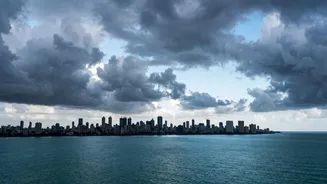
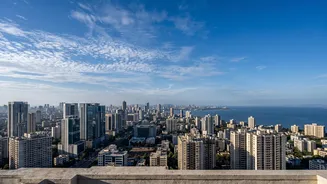
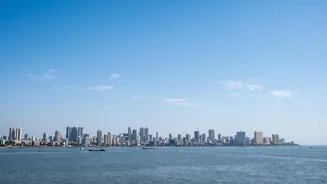
the same period in the previous year, highlighting a significant deficit. While the season's total rainfall since June is hovering near the average, thanks to a wet July, the August lull is pronounced. The IMD's forecast for the rest of the week predicts only light to moderate showers, suggesting the month will close on a surprisingly dry note for a city synonymous with torrential rain.
The Science Behind the Lull
So, where has the rain gone? Meteorologists point to a combination of factors. Weather systems that typically form in the Bay of Bengal and travel across central India, invigorating the monsoon winds over the west coast, have been weaker or have tracked further north this month. This shift has kept the core weather activity away from Maharashtra. Furthermore, the strengthening El Niño phenomenon in the Pacific Ocean is a major suspect. El Niño is known for disrupting normal weather patterns and can weaken the moisture-bearing winds that are the lifeblood of India's monsoon. Experts at the IMD and private forecasters like Skymet had already predicted a below-normal August, citing the influence of El Niño and other atmospheric conditions.
Impact on Water Supply and City Life
For a city entirely dependent on monsoon-fed lakes, a dry spell is always a cause for concern. As of August 27th, the seven lakes that supply water to Mumbai held a collective stock of 95.84% of their total capacity. While this sounds comfortable, it is slightly lower than the 96.74% recorded on the same day last year. After a delayed start to the monsoon in June, heavy July rains had significantly boosted reservoir levels, but the subdued August has slowed this replenishment. Civic authorities are monitoring the levels closely. If September also fails to deliver significant rainfall, the city could face water management challenges later in the year. The quiet monsoon has had other, more welcome, effects, with fewer days of crippling waterlogging and transport disruptions that usually mark the month.
A Sign of a Larger Trend?
This year's erratic performance—a weak June, a deluge in July, and a dry August—fits a pattern that climate scientists have been warning about. Climate change is making the Indian monsoon more unpredictable. The trend is shifting from steady, consistent rainfall spread across four months to long dry spells punctuated by short, intense bursts of extreme rain. This 'whiplash' effect poses a dual threat: intense downpours cause flash floods that overwhelm urban drainage, while extended dry periods strain water resources. Studies increasingly show that a warmer atmosphere and oceans are fundamentally altering monsoon behaviour, making events like this subdued August a potential preview of a more volatile future.