



First, Understand Biophilia's 'Why'
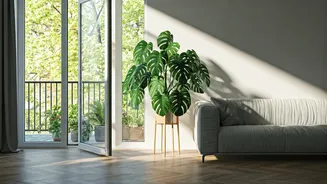
Before you buy a single plant, understand the philosophy. "Biophilia" is the idea that humans have an innate tendency to seek connections with nature. A biophilic balcony isn't just a collection of plants; it's a deliberate attempt to create a natural
ecosystem that soothes the mind and engages the senses. It’s about mimicking the patterns, textures, and feelings of a wild landscape. Think less "potted plants on a slab" and more "miniature, curated wilderness." This approach prioritizes creating a space that feels good to be in, reducing stress and boosting your mood every time you step outside.
Go Vertical to Maximize Impact
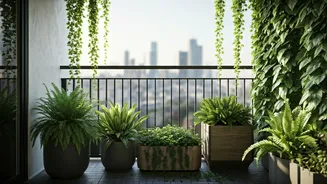
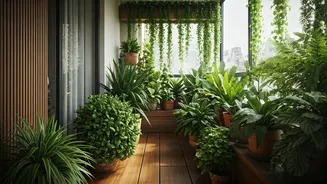
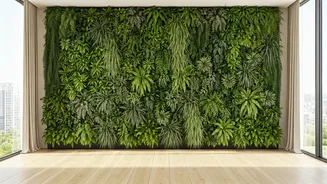
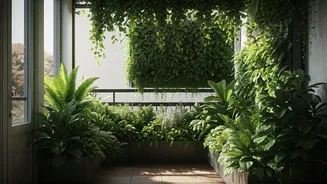
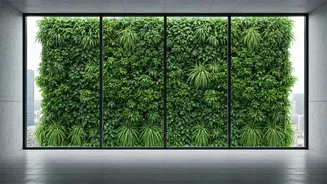
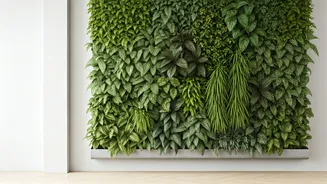
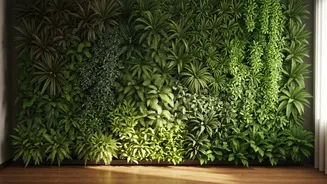
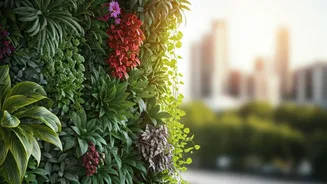
In a small space, the only way to go is up. Creating a "dense jungle" feel on a tiny footprint requires smart use of vertical real estate. Install a trellis for climbing plants like jasmine or clematis, which add greenery and fragrant blossoms. Use wall-mounted planters or modular green wall systems to create a living tapestry of foliage. Hanging baskets at varying heights add layers and visual interest, drawing the eye upward and making the space feel larger and more immersive. This strategy is the key to achieving that enveloping, jungle-like canopy.
Layer Your Greenery Like a Landscape Designer
A real jungle isn't uniform; it's a rich tapestry of different shapes, sizes, and textures. Replicate this by layering your plants. Start with a foundation of larger "anchor" plants in big pots, like a dwarf citrus tree or a robust shrub, to create structure. Fill in the middle ground with medium-sized plants like ferns, hostas, and ornamental grasses. Finally, use smaller, trailing plants like ivy or string of pearls to spill over the edges of pots and railings, softening the hard lines. Mix leaf shapes—broad, feathery, spiky—to create a visually complex and naturalistic scene.
Incorporate Natural Materials and Patterns
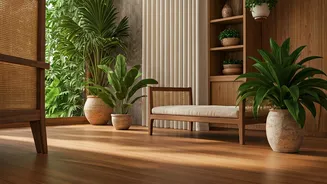
Biophilic design isn't just about living things; it's also about the materials that surround them. Swap out plastic for terracotta, wood, stone, and bamboo. Lay down interlocking wood deck tiles to cover the cold concrete floor, instantly warming up the space. Use a bamboo screen for privacy, which also adds a natural, organic texture. These elements provide a non-living connection to nature that complements the greenery. The goal is to minimize synthetic-feeling materials and maximize those that feel like they came from the earth, reinforcing the sense of a natural retreat.
Engage All the Senses, Not Just Sight
The most immersive natural spaces appeal to more than just our eyes. To make your balcony a true sanctuary, think about sound, scent, and touch. A small, self-contained water feature can provide the gentle, calming sound of trickling water, masking city noise. Plant fragrant herbs like mint and rosemary, or flowers like lavender and gardenias, which release beautiful scents when you brush past them. Incorporate plants with interesting textures—the soft fuzz of lamb's ear or the smooth, waxy surface of a succulent—to engage your sense of touch.
Invite Life Into Your Ecosystem
A truly biophilic space is alive. Beyond your plants, you can make your balcony a welcoming habitat for local wildlife. Choose native, pollinator-friendly flowers like coneflowers, bee balm, or salvia to attract bees and butterflies. A small bird bath or a shallow dish of water will bring thirsty birds, adding movement and life to your mini-jungle. Seeing these creatures visit your balcony reinforces the feeling that you’ve created a genuine piece of a larger ecosystem, a shared space between you and the natural world.