
A Tale of Two Words
To understand Malai Kofta, you first have to break down its name. 'Malai' is the Hindi word for cream, referring to the luxuriously smooth and buttery gravy that defines the dish. 'Kofta' is a word with deeper roots, coming from the Persian 'kufta', which
means 'to pound' or 'to grind'. Historically, this referred to minced meat, usually lamb, that was shaped into balls. So, at its core, the name translates to 'creamy meatballs', a simple description for a dish with a complex and fascinating past.
The Journey of the Kofta
The story of the kofta begins long before it arrived in India. The concept of a meatball is ancient, with early recipes appearing in Arab cookbooks and even the Byzantine Empire. However, the version that influenced Indian cuisine journeyed from Persia and Central Asia. It arrived on the subcontinent with the Mughals, who established their empire in the 16th century and brought their sophisticated Turko-Persian culinary traditions with them. The Mughal emperors were known for their love of lavish feasts, and their royal kitchens became laboratories for a new, hybrid style of cooking that blended foreign techniques with Indian ingredients and spices. The meat-based kofta quickly became a banquet favourite.
The Great Vegetarian Adaptation
While the Mughals were renowned for their meat dishes, their courts were also a place of cultural integration. To accommodate Hindu nobles and courtiers who followed vegetarian diets, the royal chefs were tasked with creating meat-free dishes that were just as spectacular. This challenge sparked incredible creativity, leading to the vegetarian adaptation of the kofta. Instead of minced meat, Indian cooks began using local ingredients like potatoes and, most importantly, paneer (Indian cottage cheese). These ingredients were mashed, spiced, shaped into balls, and then deep-fried to create a dumpling that was crispy on the outside and irresistibly soft within. This innovation was a stroke of genius, transforming the rustic meatball into a new vegetarian delicacy fit for an emperor.
An Emblem of Celebration
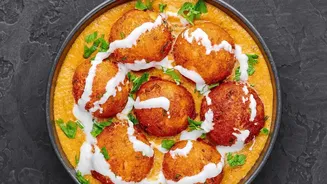
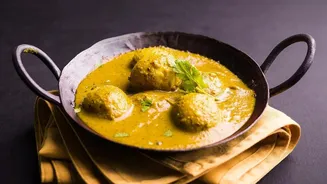
The richness of Malai Kofta, with its creamy gravy made from cashews, cream, and aromatic spices, cemented its status as a dish for special occasions. It was a symbol of luxury and indulgence, something far removed from everyday home cooking. This reputation endures today. Malai Kofta is a staple at weddings, festivals like Diwali, and other significant celebrations across India. Ordering it at a restaurant often feels like a treat, a departure from the norm and a taste of its regal, festive history. Its presence on the table elevates a meal, signaling that the occasion is one of joy and abundance.
Anatomy of a Perfect Dumpling
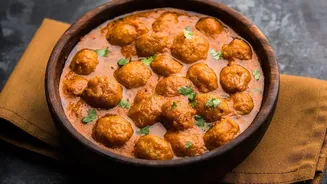
What makes a perfect Malai Kofta is the contrast of textures and flavours. The koftas themselves are the heart of the dish. They are typically made from a mixture of grated paneer and boiled, mashed potatoes, which act as a binder. This mixture is seasoned with spices like cumin and coriander before being formed into balls and fried to a golden brown. Some recipes even hide a surprise inside, like chopped nuts or raisins. The 'malai' gravy is equally important. It is traditionally a 'white' or pale gravy, deriving its body from onion paste and its creamy texture from a blend of cashew paste and cream or yogurt. Delicately scented with spices like green cardamom, it is rich without being overpowering, a silky sauce designed to perfectly complement the tender koftas.