




A Tale of Two Cities and Ideologies
The rivalry's origins are deeply political, tracing back to the early 20th century. Real Madrid, from the nation's capital, became associated with the central Spanish government and establishment. In contrast, FC Barcelona represents the city of Barcelona and the broader
region of Catalonia, which has its own distinct language, culture, and a long history of seeking autonomy. During the Franco dictatorship (1939-1975), when Catalan culture was suppressed, the Camp Nou stadium became one of the few places where people could express their identity freely. This turned football matches into symbolic cultural battlegrounds, embedding the political tensions into the very fabric of the rivalry.
The Transfer That Forged a Rivalry
Few events crystallised the animosity more than the transfer of Alfredo Di Stéfano in 1953. Both clubs believed they had signed the Argentinian superstar. Barcelona had reached a deal with his former club, River Plate, while Real Madrid negotiated with Millonarios, the Colombian club he was playing for. After a bizarre and disputed intervention by the Spanish Federation, which ruled he should play alternate seasons for each club, Barcelona's president resigned in protest and the club relinquished its claim. Di Stéfano went on to lead Real Madrid to five consecutive European Cups, a success that Barcelona fans believe was built on a stolen player and political favouritism from the regime.
From Hero to Traitor: The Figo Affair
If Di Stéfano's transfer was the original sin, Luís Figo's move in 2000 was the ultimate modern betrayal. Figo was Barcelona's captain and hero, the beloved star of the team. In a shocking move, he transferred directly to Real Madrid for a world-record fee, becoming the first 'Galáctico' signing of the Florentino Pérez era. The transfer sparked fury among Barcelona supporters, who felt deeply betrayed. On his return to the Camp Nou wearing the white of Madrid, he was met with a wall of noise and vitriol, with objects famously raining down from the stands, including a pig's head. The incident cemented El Clasico's reputation as a match where passion spills over into pure hostility.
Més que un Club vs. Los Galácticos
The two clubs' philosophies also highlight their differences. Barcelona's motto, 'Més que un club' ('More than a club'), was adopted in 1968 and signifies its role as a symbol of Catalan identity and social values. It speaks to a belief in promoting from their famed La Masia academy and a unique style of play. Real Madrid, especially during the 'Galácticos' era, cultivated an image of global dominance, signing the world's biggest stars and representing a powerful, international brand. This clash of identities—homegrown philosophy versus purchased superstardom—adds another layer of ideological conflict to the on-pitch battle.
A Global Stage for Modern Gods
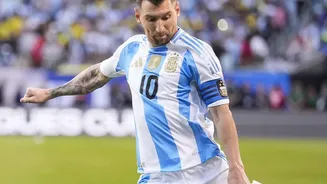
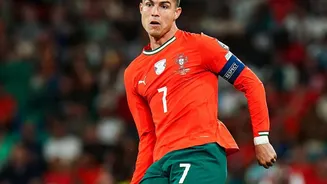
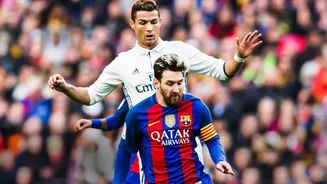
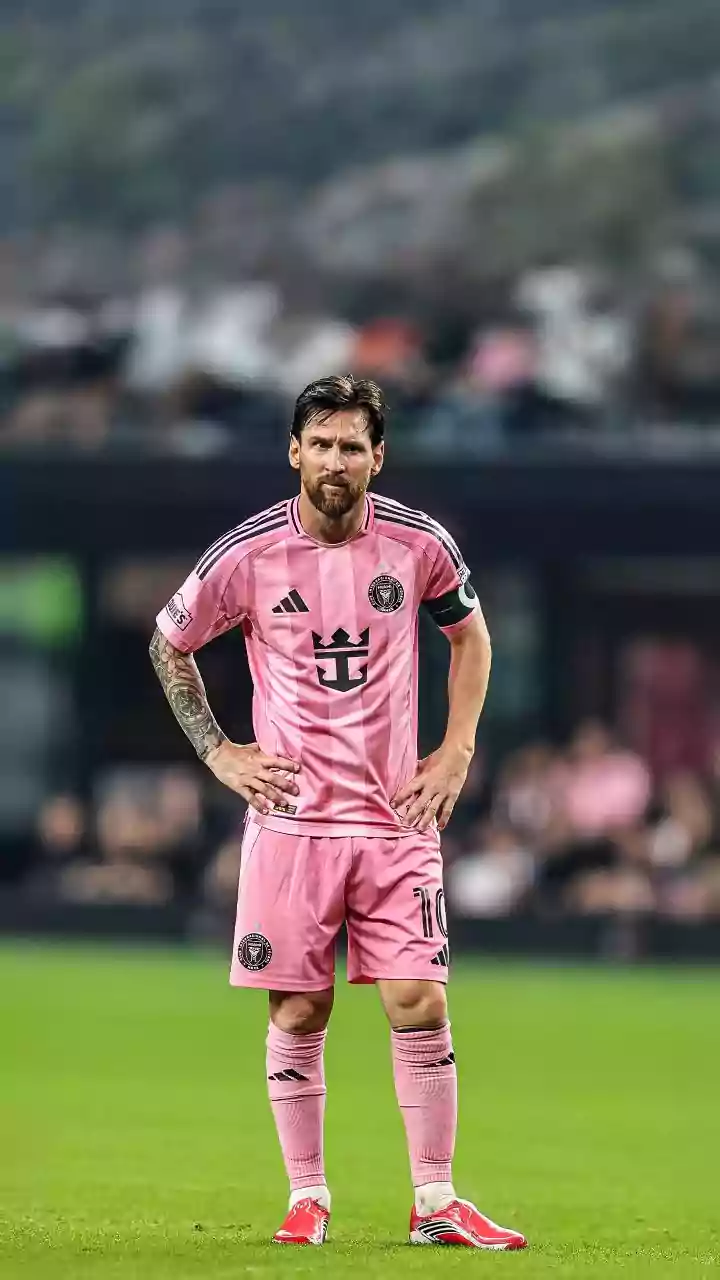
The rivalry has consistently been a stage for the world's best players, from Di Stéfano and Kubala to Johan Cruyff. However, the era of Lionel Messi and Cristiano Ronaldo elevated El Clasico to an unprecedented global phenomenon. For over a decade, the two best players on the planet went head-to-head, turning each match into a direct battle for individual and team supremacy. Their personal duel amplified the fixture's drama and drew in hundreds of millions of viewers worldwide, making it the most-watched club football match on Earth. This transformed a national rivalry into a blockbuster global event.