





Why Your Fern Craves the Forest Floor
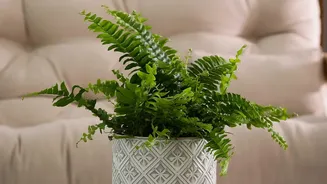
Most ferns that we welcome into our homes are native to the floors of tropical and sub-tropical forests. They thrive under a dense canopy in filtered light, with consistently moist soil and, most importantly, cool, moist air. The average home, especially
during winter when heating systems are running, has very low humidity—often below the 30% that is the minimum a fern can tolerate. Ideally, they prefer a range of 40% to 50% or more. When the air is too dry, the plant loses moisture from its delicate fronds faster than its roots can absorb water, leading to the tell-tale signs of stress.
Reading the Signs of Low Humidity
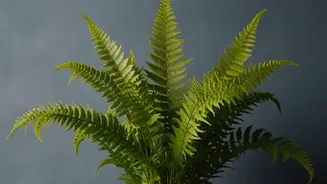
Your fern will tell you when it’s unhappy with the air quality. The most common symptom of low humidity is the browning and drying of the tips and edges of the fronds. The leaves might feel brittle or papery, and in some cases, they may begin to curl inward as the plant tries to conserve moisture. You might also see otherwise healthy-looking interior leaves turn yellow and drop. It's crucial not to confuse these signs with overwatering, which typically presents as a soft, blackened base or yellowing fronds all over.
The Misting Ritual: A Temporary Boost
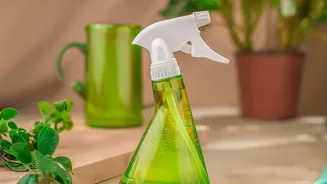
Misting is often the first solution plant owners reach for. The idea is to envelop the plant in a fine spray of water, temporarily increasing the local humidity. For it to be beneficial, there are best practices to follow. Always mist in the morning; this allows the water to evaporate throughout the day, as leaves that stay wet overnight can be susceptible to fungal diseases. Use room-temperature water, preferably filtered or distilled, to avoid shocking the plant or leaving mineral deposits on the fronds. A spray bottle that produces a very fine mist is ideal, as it coats the leaves more evenly without drenching them.
The Great Debate: Is Misting Enough?
While misting can be a pleasant ritual, many horticultural experts argue that its effects are too fleeting to make a real difference. The humidity boost from a spritz of water often dissipates within minutes, meaning you'd have to mist multiple times a day to maintain a beneficial level. For this reason, many consider misting to be one of the least effective methods for raising ambient humidity long-term. Some even warn that consistently wet foliage without good air circulation can promote bacterial or fungal issues.
More Powerful Solutions for Lasting Humidity
If misting is more of a temporary fix, what provides a more stable solution? The most effective method is using a room humidifier, which offers consistent and controllable moisture in the air. For a low-tech approach, grouping plants together is highly effective. As plants release water vapor through transpiration, they create a naturally more humid microclimate for each other. Another popular technique is the pebble tray. Simply place your pot on a tray filled with pebbles and water, ensuring the bottom of the pot sits on the stones and not in the water itself. As the water evaporates, it raises the humidity directly around the plant.
Strategic Placement is Key
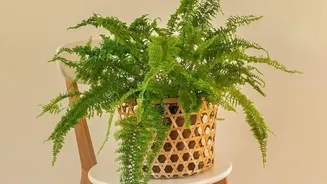
Finally, where you place your fern can make a huge difference. Avoid positioning it near heating vents, radiators, or in drafty areas, as these will rapidly dry out the air. Consider moving your fern to a part of the house that is naturally more humid, such as a bathroom (provided it has enough indirect light) or the kitchen. A bright bathroom with steamy showers can be an almost perfect environment for a humidity-loving fern, providing the moisture it craves without any extra equipment.