






The Unshakeable Morning Ritual
For hundreds of millions of Indians, the day doesn’t begin with an alarm clock or a smartphone scroll. It begins with the clinking of a saucepan, the gentle crushing of ginger, and the fragrant aroma of boiling tea leaves. This is the morning chai, a ritual
so deeply ingrained it’s less a choice and more a biological necessity. Unlike trendy beverages that require a special trip or a specific mood, chai is an intrinsic part of the household rhythm. It’s the punctuation mark between sleep and wakefulness, the warm, sweet jolt that makes the day possible. This non-negotiable status is its first line of defence against any passing fad. Trends require a decision; chai is simply what one does.
The Ultimate Social Lubricant
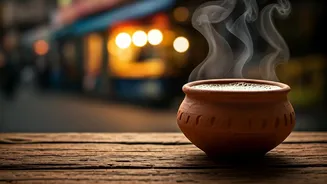
Chai’s power extends far beyond the home. It is the great equaliser and social network. At the humble street-side ‘tapri’, political debates are settled, business deals are struck, and friendships are forged over tiny glasses of steaming tea. In corporate offices, the ‘chai break’ is a vital institution, a moment to decompress and connect with colleagues away from the glare of a computer screen. When guests arrive at home, the first question is never ‘What would you like to drink?’ but ‘Will you have chai?’. It’s an offering of hospitality, a conversation starter, and a symbol of shared time. Coffee culture promotes individual moments of solitary work or quick catch-ups; chai culture is fundamentally about community and connection, a purpose no fleeting trend can replicate.
An Economy of Accessibility
Perhaps chai’s most formidable defence is simple economics. A cup of cutting-edge cold brew or a fancy matcha latte can cost anywhere from ₹200 to ₹400. A cup of chai at a neighbourhood tapri? Ten rupees. This radical accessibility makes it the undisputed beverage of the masses. It’s available everywhere, from the most remote highway dhaba to the most sophisticated five-star hotel. You don’t need a special machine, expensive beans, or a trained barista. All you need is water, milk, sugar, and tea leaves. This low barrier to entry for both consumption and production ensures that chai remains woven into the very fabric of the country’s economic life, serving everyone from labourers to CEOs without prejudice.
Infinitely Personal, Infinitely Adaptable
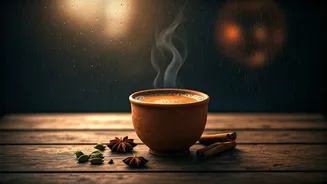
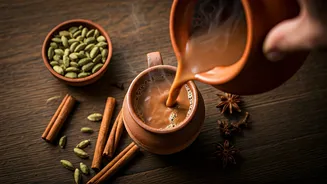
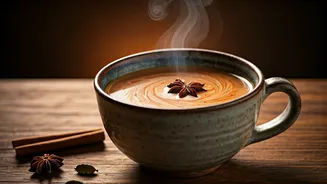
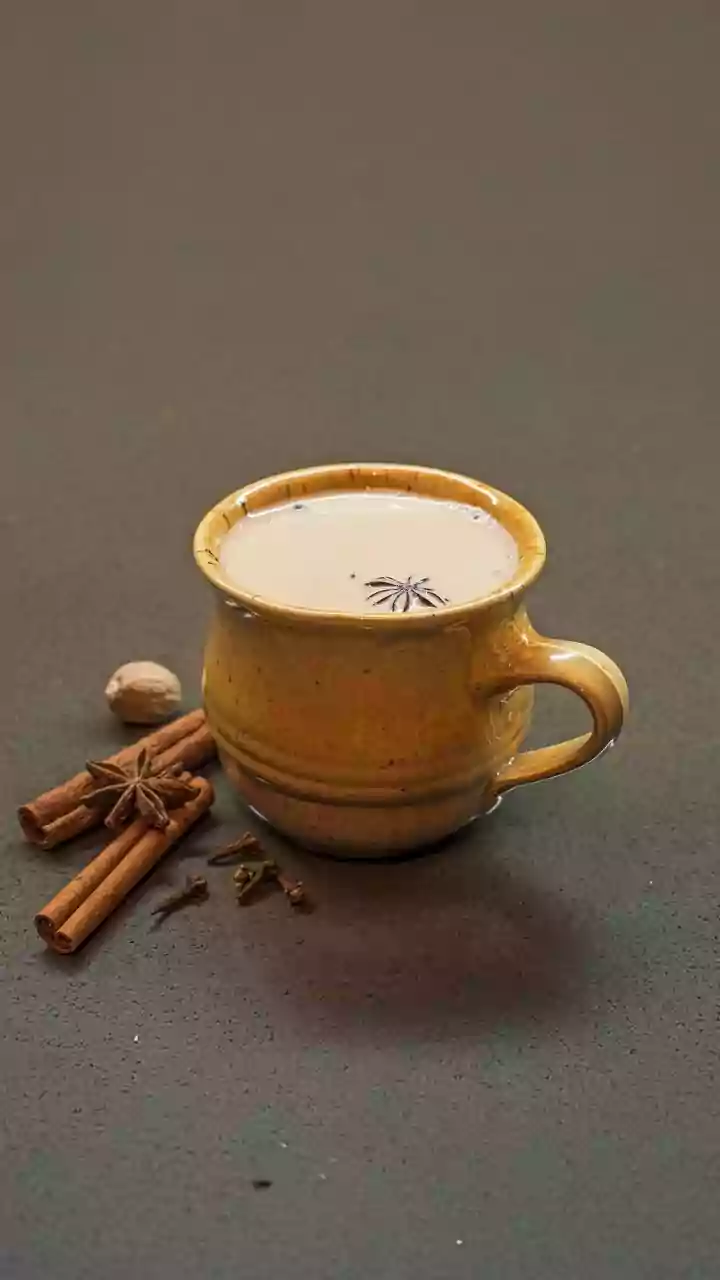
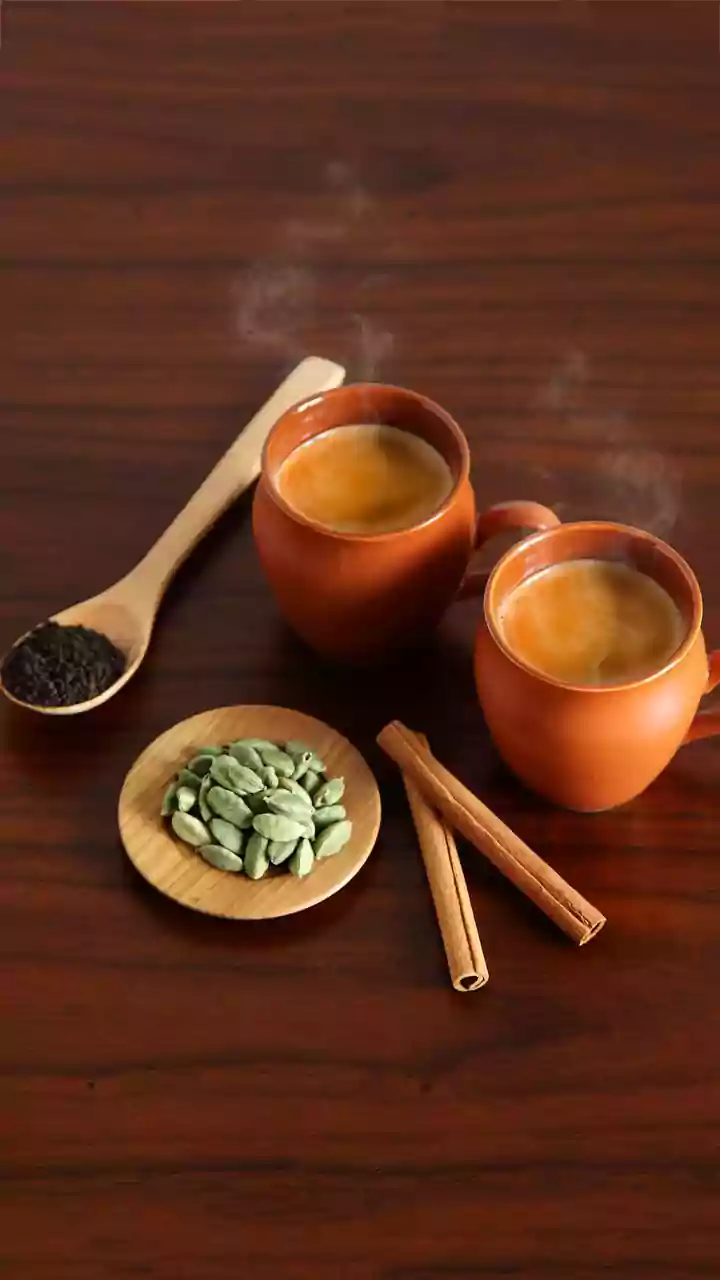
Another reason chai never feels stale is that ‘chai’ is not one single thing. It is a canvas for a billion artists. Every family, every region, and every individual has their own unique recipe. Some swear by a strong hit of ginger (adrak), others prefer the subtle fragrance of cardamom (elaichi). There’s the spicy kick of masala chai, the rich creaminess of Irani chai, or the delicate flavour of Darjeeling tea. This inherent adaptability means chai can never be outmoded. While global trends impose a uniform taste profile, chai celebrates personalisation. It’s a drink that feels like it belongs to you, because you—or your mother, or your favourite chaiwala—made it exactly the way you like it. This sense of ownership creates a powerful emotional bond that no branded, mass-produced beverage can ever hope to achieve.