




The Magic of the Pressure Cooker
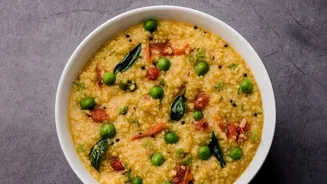
The pressure cooker is a cornerstone of the Indian kitchen for a reason. It cooks food incredibly fast by using steam pressure, which can be a lifesaver on busy weeknights. This high-heat, fast-cooking environment is perfect for tenderising tough cuts
of meat and cooking dals and legumes in a fraction of the time they would take on the stovetop. For example, chickpeas that might otherwise soak overnight and boil for an hour can be ready in about 20 minutes. Beyond speed, pressure cooking is brilliant at preserving nutrients that can be lost with other methods like boiling. Because it’s a sealed environment, vitamins and minerals don't escape with evaporating water. Modern electric pressure cookers often include sauté functions, allowing you to brown onions and spices in the same pot before sealing the lid, building a deep flavour base for dishes like a quick Mutton Korma or a rich and creamy Dal Makhani.
Embrace the Oven for Roasting and Baking
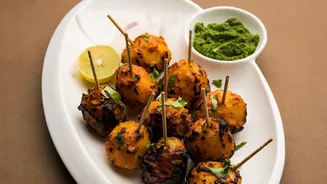
Many Indian homes are now equipped with ovens, but they are often underutilised for daily cooking. The oven offers a dry heat that is fantastic for developing deep, caramelised flavours that you can't get from a pan. It provides an even, all-around heat that cooks food uniformly with minimal effort. You can place a tray of marinated vegetables or chicken in the oven, set a timer, and walk away. This method is ideal for dishes that benefit from a crispy exterior and a tender inside. Think of restaurant-style Tandoori Gobi, Paneer Tikka, or even a whole roasted chicken with Indian spices. The smoky char, traditionally achieved in a tandoor, can be mimicked in a very hot oven. It’s also a healthier way to cook, as it requires less oil than frying to achieve a delicious, crisp texture.
Master the Art of the Stir-Fry
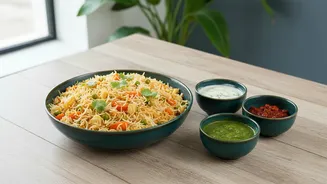
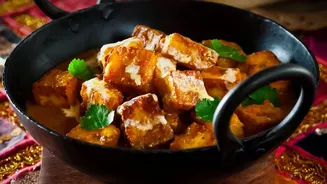
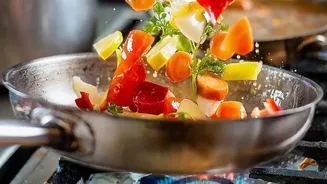
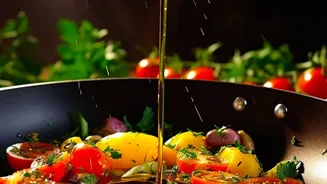
Stir-frying in a kadai or wok is all about quick, high-heat cooking. This method is perfect for weeknight meals when you want to get something on the table fast. The key is to have all your ingredients prepped and ready to go before you start, as the cooking process itself takes only a few minutes. Stir-frying preserves the crispness and colour of vegetables, making your dishes look as good as they taste. It’s a versatile technique that works well with a variety of Indian spices and ingredients. A simple vegetable stir-fry with mustard seeds, turmeric, and cumin can be a delicious side dish. For a full meal, you can create a quick Chilli Paneer or a chicken stir-fry with bell peppers and onions. The constant motion ensures everything cooks evenly without becoming soggy, resulting in a fresh and vibrant meal.
The Gentle Power of Steaming
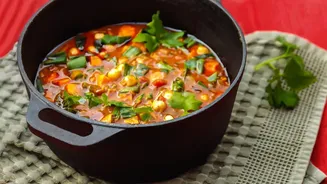
Steaming is one of the healthiest cooking methods available. It uses moist heat to cook food gently without the need for any added oils or fats, which helps preserve the food's natural flavour, texture, and nutrients. While many associate steaming with snacks like idli and dhokla, its applications are much broader. You can steam fish fillets marinated in spices (like the Bengali Bhapa Maach), create savoury lentil cakes (like Bafauri), or cook delicate vegetable dumplings. Steamed dishes are light, easily digestible, and a great way to enjoy clean flavours. Most kitchens already have the necessary equipment—a simple steamer basket placed in a pot of simmering water is all you need to get started. It’s an excellent technique for preparing healthy breakfasts, light lunches, or a nutritious side dish to accompany a richer main course.
The Modern Convenience of the Air Fryer
The air fryer has quickly become a popular countertop appliance for its ability to create a crispy, “fried” texture using only a fraction of the oil. It works by circulating extremely hot air around the food at high speed. This makes it perfect for preparing healthier versions of classic Indian snacks and appetisers that are traditionally deep-fried. Samosas, pakoras, and vadas can all be made in an air fryer with just a light brushing of oil, significantly reducing their calorie and fat content. It’s also great for roasting smaller batches of vegetables or making crispy okra (bhindi). The convenience is undeniable—it heats up quickly, cooks fast, and is easy to clean, making it a go-to for quick snacks or adding a crispy element to your meals without the guilt or mess of deep-frying.