






Why 'Eating Your Water' Matters
When you get water from food, you're getting more than just H2O. The water in fruits and vegetables is structurally bound within the food's fibre. This means your body absorbs it more slowly compared to drinking a glass of water, leading to more sustained
hydration. These foods are also packed with essential vitamins, minerals, and electrolytes like potassium and magnesium, which are vital for maintaining the body's fluid balance, especially after exercise or in hot weather. This combination of slow-release water and nutrients can sometimes hydrate the body more effectively than water alone.
Cucumber: The Hydration Champion
At about 96% water, cucumber is one of the most hydrating foods you can eat. It's incredibly low in calories but contains nutrients like potassium and magnesium. Adding slices to a salad, sandwich, or even a glass of water is an easy way to boost your fluid intake. A single cup of sliced cucumber provides almost a quarter cup of water, making it a refreshing and efficient hydrator. Its high water content and crisp texture make it a perfect snack for hot days.
Watermelon and Other Melons
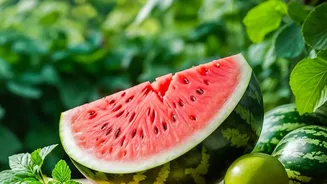
It's no surprise that watermelon is an excellent source of hydration, with a water content of around 92%. It's also a great source of vitamins A and C, and the antioxidant lycopene. But don't overlook other members of the melon family. Cantaloupe and honeydew are also fantastic choices, typically containing around 90% water. These fruits provide a sweet treat that helps replenish fluids and delivers a dose of potassium, which is essential for nerve and muscle function.
Berries and Citrus Fruits
Strawberries are not just delicious; they're also incredibly hydrating, with a water content of about 91%. They are packed with fibre, antioxidants, and vitamin C. Other fruits like oranges (86% water) and grapefruit (91% water) are also excellent choices. These citrus fruits provide a major boost of vitamin C, which supports the immune system and helps the body absorb iron. Snacking on a handful of berries or an orange can be a refreshing way to contribute to your daily fluid goals.
Leafy Greens and Cruciferous Veggies
Salads are a hydration powerhouse. Iceberg lettuce leads the pack with 96% water, but other greens like romaine (94%) and spinach (93%) are close behind. These greens are not just water; spinach, for instance, is a great source of iron and magnesium. Other vegetables like celery (95%), radishes (95%), and tomatoes (94%) are also fantastic hydrators you can easily add to any meal. Even cruciferous vegetables like cauliflower (92%) and broccoli (90%) have surprisingly high water content.
Beyond the Obvious: Soups and Yogurt
Hydrating foods aren't limited to raw fruits and vegetables. Broth-based soups and stews are an excellent way to increase fluid intake, especially during colder months. Plain yogurt is another great option. It typically contains a large amount of water along with protein, calcium, and gut-friendly probiotics. A bowl of plain yogurt can be a surprisingly effective way to replenish fluids while also providing valuable nutrients to support your overall health.