
A Fundamental Difference
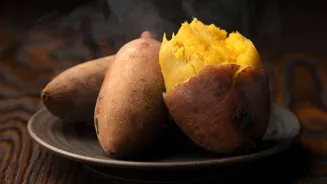
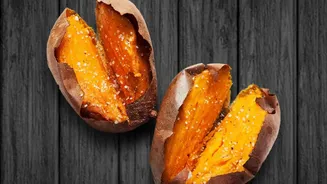
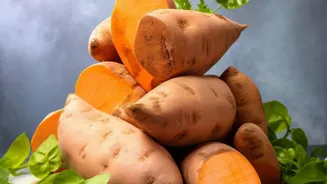
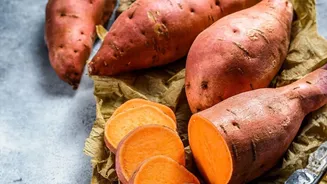
Before they even hit the heat, these two are set up for different results. A sweet potato is a true root vegetable, specifically a 'storage root'. It grows underground and is dense with starch all the way through. Butternut squash, on the other hand,
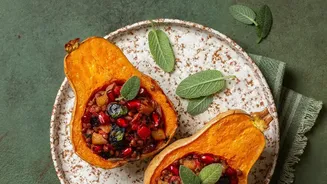
is technically a fruit that grows on a vine. It has a seed-filled cavity at its base and a flesh that contains significantly more water. This core distinction—starchy root versus watery fruit—is the primary driver of their textural differences once cooked.
The Roasting Test: Fluffy vs. Tender
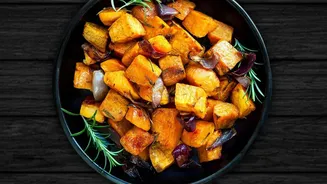
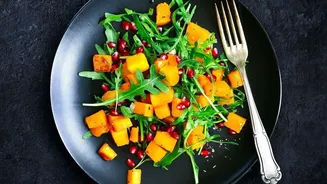
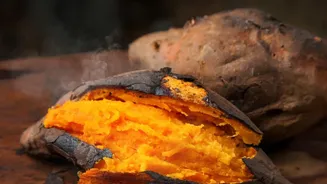
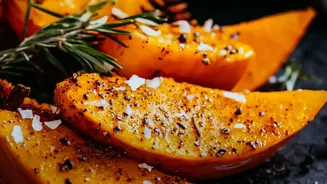
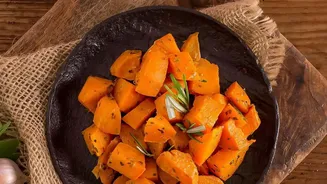
When you roast cubes of both, the textural contrast becomes clear. Thanks to its high starch content and lower moisture, sweet potato has the ability to become fluffy and creamy on the inside while the exterior can caramelize and achieve a desirable crispness. This makes it the undisputed champion for fries and wedges. Butternut squash, with its higher water content, tends to become softer and more uniformly tender when roasted. It collapses more quickly and, if the pan is overcrowded, can steam itself and become slightly mushy rather than browned. For the best roasted squash, give it plenty of space on the baking sheet to allow moisture to evaporate.
For Soups and Purées: Silky vs. Substantial
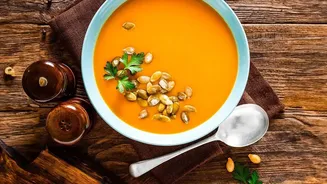
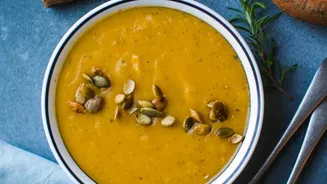
Butternut squash is the star of silky, velvety soups for a reason. Its high moisture content and smoother fiber structure allow it to blend into a luxuriously smooth and satisfying purée. It creates a soup with a lighter body. To get the best flavour and avoid a watery result, it's recommended to roast the squash first to concentrate its sweetness and drive off some moisture. Sweet potato can also be puréed, but its starchy nature yields a much thicker, denser result. If over-worked in a blender, the starches can even turn gummy, similar to regular potatoes. For a hearty, substantial purée or a thick base for a stew, sweet potato is an excellent choice.
The World of Mash
When it comes to mashing, your preference for texture is the deciding factor. Sweet potato creates a dense, rich, and substantial mash. However, it can also have a 'stringy' quality. This is a natural part of the vegetable's fibrous structure, which can vary depending on the specific variety and growing conditions. To minimize stringiness, some cooks suggest using an electric mixer, which can wrap the fibers around the beaters for easy removal. Butternut squash mash is much lighter and wetter. To avoid a watery final product, you may need to let it drain in a sieve after boiling to remove excess moisture before mashing. It produces a smoother, less fibrous mash than its root-vegetable counterpart.
In Casseroles and Baked Goods
For layered dishes like gratins or casseroles, sweet potato is often the better choice. Its starchy structure helps it hold its shape far better after cooking, ensuring defined layers. Butternut squash, tending to soften more completely, can collapse into a more uniform, puréed layer. In baked goods like muffins and pies, both can be used in their puréed form. However, a key adjustment is needed: since butternut squash purée is wetter, you may need to reduce other liquids in your recipe to achieve the correct consistency. Sweet potato’s natural density provides more structure on its own.