




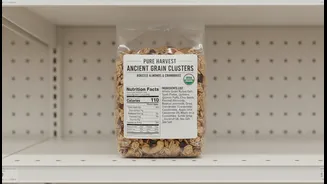


The Rise of the 'Health Halo'
In any Indian supermarket, the shelves are filled with products wearing a 'health halo'. Buzzwords like 'natural', 'fresh', 'organic', and 'healthy' are prominently displayed on packaging to attract health-conscious buyers. This marketing strategy is designed
to make you feel good about your purchase, creating an impression of wellness that can often be misleading. For example, a snack labelled 'baked, not fried' might still be high in sodium and refined carbohydrates, and a 'multigrain' bread might primarily consist of refined flour with a tiny fraction of other grains. This creates a gap between perception and reality, where consumers believe they are making a healthier choice and often pay a premium for it, even when the nutritional benefits are negligible or non-existent.
FSSAI's Regulatory Wake-Up Call
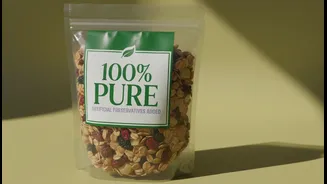
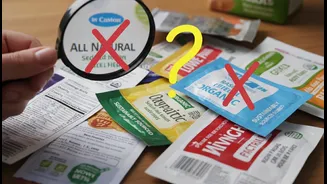
The Food Safety and Standards Authority of India (FSSAI) has intensified its scrutiny of these practices. In a recent series of actions in June and July 2026, the regulator issued notices to numerous companies for using claims that could potentially mislead consumers. The crackdown targets specific terms that are often used without proper scientific backing. For instance, FSSAI has questioned the use of 'Fresh' on paneer packaging, 'All Natural' on a chocolate spread that had not obtained necessary approvals, and 'Healthy' in brand names that could imply inherent health benefits. The regulator clarified that terms like '100%' are not even defined under the Food Safety and Standards Act, making claims like '100% Organic' questionable from the start. These actions signal a significant push for transparency and accountability in the packaged food industry.
The Real Cost to Your Health and Wallet
The impact of misleading labels goes beyond simple confusion; it has tangible consequences for both public health and household budgets. Deceptive claims can lead consumers to unknowingly purchase products high in sugar, salt, or unhealthy fats, contributing to the rise of lifestyle diseases. Many fruit juices with 'no added sugar' claims, for instance, may contain naturally occurring sugars in amounts comparable to sugary sodas. This distortion affects spending, as products with wellness claims often come with a higher price tag. Consumers are essentially paying a premium for a marketing promise, not necessarily for better nutritional quality. This financial strain is significant in a market where brand, price, and taste have traditionally guided choices more than nutritional information.
How to Become a Smarter Shopper
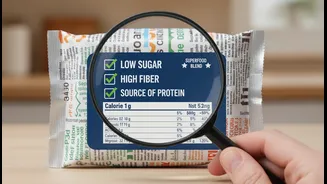
While FSSAI's actions are a crucial step, the ultimate power rests with the consumer. Learning to see past the front-of-pack marketing is an essential skill for navigating the modern food landscape. The first rule is to ignore the flashy claims on the front and turn the package over. Scrutinise the ingredients list; they are listed in descending order of quantity, so the first few ingredients make up the bulk of the product. A shorter, more recognisable ingredient list is often a sign of a less processed food. Next, check the nutritional information panel, paying close attention to the 'per 100g' column for a more accurate comparison between products, rather than the often misleadingly small 'per serving' size. Be wary of hidden sugars and high sodium content, which are key contributors to health issues.