




Securing Your Entry Permit
First and foremost, every tourist, including Indian nationals, requires an entry permit to visit the Lakshadweep islands. This is a mandatory step to regulate tourism and protect the territory's delicate environment. Thankfully, the process has been streamlined.
As of recent updates in 2026, the need for a Police Clearance Certificate (PCC) and a local sponsor has been removed for tourists, simplifying the application considerably. You can now apply for the permit online through the official ePermit portal of the Lakshadweep Administration. You will need to provide your travel itinerary, including the specific islands you plan to visit and your travel dates, along with confirmed accommodation and travel bookings. Entry is only allowed to the islands mentioned in your permit. Keep digital and physical copies of your government-issued photo ID (like an Aadhaar card or passport) and passport-sized photographs handy for the application process.
Special Considerations for Scuba Divers
While the general entry permit is the first step, scuba divers don't typically need a separate permit for the activity itself. Instead, your access to diving is managed through authorized dive centres. When you book a diving package with a PADI-certified operator on islands like Agatti, Kadmat, or Kavaratti, they handle the necessary permissions and ensure all activities adhere to local regulations. Before any dive, you will be required to complete a standard PADI Medical Questionnaire to ensure you are medically fit for diving. It is crucial to choose a reputable dive agency that follows international safety protocols and employs certified instructors. They are not only your guides to the underwater world but also the frontline enforcers of conservation rules. The best season for diving is between October and May, when the seas are calm and visibility is excellent.
Understanding Marine Conservation Laws
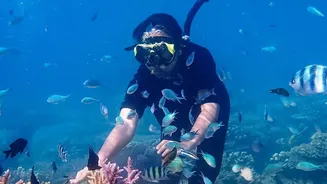
Lakshadweep's beauty is intrinsically linked to its healthy marine ecosystem, which is protected by stringent laws. The entire territory is a fragile environment, and several areas are designated as Marine Protected Areas to conserve biodiversity. The Department of Environment and Forest rigorously enforces laws like the Wildlife (Protection) Act and the Environment Protection Act. For divers, this translates into a simple but strict code of conduct: look, but don't touch. Damaging or even touching coral reefs is a punishable offense. You are also forbidden from feeding or harming any marine life. Maintaining perfect buoyancy control is essential to avoid accidental contact with the delicate coral gardens. Dive operators provide briefings on these rules, ensuring all visitors understand their role in preserving the underwater paradise.
A Diver’s Code of Conduct
Being a responsible diver in Lakshadweep goes beyond just following the law; it's about embracing a mindset of conservation. Always listen carefully to your divemaster's instructions. Do not collect any shells, coral fragments, or other marine souvenirs, living or dead. The principle is to leave only bubbles and take only memories (and photographs). Choose reef-safe sunscreen to avoid releasing harmful chemicals into the water. In addition to underwater conduct, respect local customs on the islands. Alcohol consumption is prohibited on all islands except for the resort on Bangaram. Dress modestly when not on the beach or diving, as a sign of respect for the local culture. By following these guidelines, you contribute directly to the sustainability of tourism in this unique destination.
Your Essential Document Checklist
Before you leave, ensure you have a well-organized folder with both physical and digital copies of all necessary documents. This will make your journey smooth from start to finish. Your checklist should include: a printed copy of your approved Lakshadweep Entry Permit, a valid government-issued photo ID (Aadhaar card or passport is best), confirmed flight or ship tickets for your return journey, proof of your accommodation booking on the islands, and a few extra passport-sized photographs, just in case. Upon arrival in Lakshadweep, you may also need to pay a Green Tax, which helps fund environmental projects. Having these documents readily accessible will ensure a hassle-free experience as you check in for flights and register upon arrival on the islands.