






The Deceptive 'Healthy' Juice
Packaged fruit juice is often marketed as a healthy, convenient way to get your daily dose of vitamins. The reality is often quite different. When fruit is processed into juice, most of the beneficial fibre is stripped away, leaving behind concentrated
sugar. A single 250ml glass of packaged apple or mixed fruit juice can contain anywhere from 25 to 30 grams of sugar—equivalent to the entire recommended daily limit for an adult, according to the World Health Organization. This sugar is primarily fructose, which, without the fibre to slow its absorption, causes a rapid spike in blood sugar levels. You're essentially drinking sugar water with some added vitamins, not the wholesome goodness of a whole fruit.
When Iced Tea Isn't Just Tea
Iced tea sounds like a perfect, light summer beverage. And it can be, if you brew it yourself and add a slice of lemon. However, the bottled and ready-to-drink iced teas lining supermarket shelves are a different story. These commercial concoctions are often loaded with sugar or high-fructose corn syrup to make them more palatable to a mass audience. A standard 500ml bottle of lemon or peach iced tea can easily contain over 40 grams of sugar. That's nearly ten teaspoons of sugar, transforming a potentially healthy antioxidant-rich drink into a calorie-dense sugar bomb. The 'tea' part becomes an afterthought to the overwhelming sweetness.
Traditional Drinks, Modern Problems
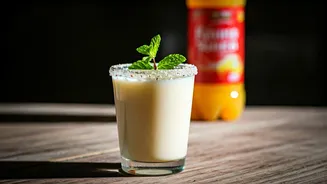
What could be more Indian than a cooling glass of lassi, nimbu pani, or a floral sherbet? When made at home, you control the ingredients. But the convenient, packaged versions sold in stores and restaurants often take a wrong turn. A commercially prepared sweet lassi can have upwards of 20-25 grams of added sugar per serving, on top of the natural sugars from the yogurt. Similarly, pre-made nimbu pani or sherbet concentrates are frequently more sugar than flavour. They rely on sweetness to cover for a lack of fresh ingredients, turning a traditional, hydrating remedy into just another sugary drink.
The Misunderstood Energy Drink
While not always seen as a 'healthy' choice, many people reach for an energy drink for a quick pick-me-up during a summer slump. These drinks are perhaps the most obvious villains, but their sugar content is still shocking. A single can often contains between 27 and 50 grams of sugar, plus a heavy dose of caffeine and other stimulants. They are designed for intense physical exertion, not for sipping at your desk or while relaxing. For the average person, consuming an energy drink leads to a massive sugar rush followed by a hard crash, contributing to energy slumps, weight gain, and putting unnecessary strain on your body.
Your Guide to Smarter Summer Sips
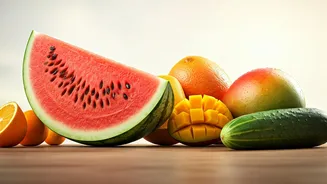
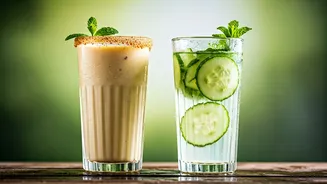
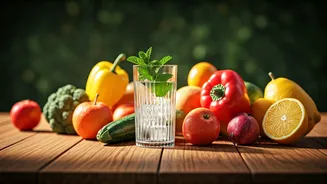
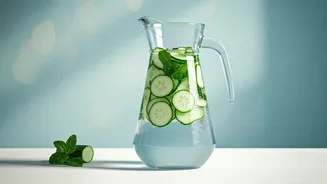
So, what should you drink? The good news is that delicious, truly healthy options are everywhere. Start with the basics: plain water is always the best choice for hydration. To make it more exciting, try infusing it with slices of cucumber, lemon, mint leaves, or seasonal fruits like watermelon or berries. Unsweetened, homemade iced tea gives you all the benefits without the sugar. For a traditional fix, opt for fresh coconut water (nariyal pani) straight from the source, which is packed with electrolytes. Or, prepare your own chaas (buttermilk) with jeera and salt, or a nimbu pani where you control the sugar. Eating your fruits whole instead of drinking them will give you fibre, vitamins, and a feeling of fullness.