





From Humble to Haute
Think of your favourite comfort foods: a simple bowl of khichdi, a plate of pav bhaji, or a crispy vada pav. Now, imagine them reimagined. This is the trend taking hold in urban dining, where chefs are elevating these classics with gourmet ingredients
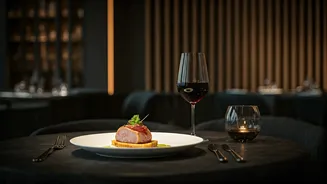
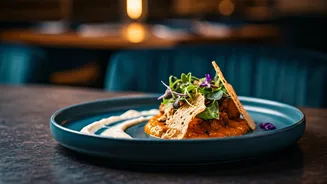
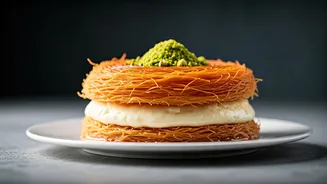
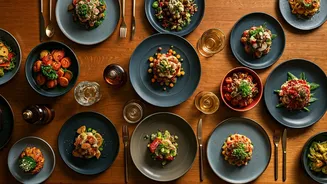
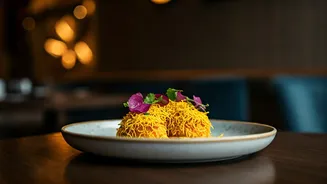
and fine-dining techniques. Street food staples like pani puri are being deconstructed into 'shots' served in upscale bars, while chaat might feature additions like burrata or avocado. It’s a move away from generic menus towards intentional, thoughtful cooking that adds a layer of refinement to the familiar. Dishes once confined to home kitchens or street stalls are now being presented with contemporary flair, finding a new identity on modern menus.
The Chef's New Canvas
For many chefs, this trend is a creative challenge: how to innovate without losing the soul of a beloved dish. It’s a departure from the fusion experiments of the past, which sometimes diluted authentic flavours. Today's approach is about enhancing, not erasing. Chefs are using traditional recipes as a canvas, applying modern techniques like molecular gastronomy or sous-vide to refine textures and deepen flavours. The focus is on honouring the dish's roots while telling a new story. This often involves using high-quality, local, and even organic ingredients to elevate the final product, turning a simple meal into a more complex and memorable experience.
A More Adventurous Palate
This culinary evolution is also being driven by diners themselves. The urban Indian diner, particularly in metros like Mumbai, Delhi, and Bengaluru, is more experimental and culturally aware than ever before. With exposure to global trends and a desire for new experiences, they are seeking authenticity but with a touch of refinement. Social media also plays a role, with visually appealing, 'Instagram-worthy' presentations of familiar dishes generating buzz. This has created a market that rewards chefs for their creativity, allowing them to push boundaries while still tapping into the powerful emotional connection people have with comfort food.
Is It Still Comforting?
This raises a question: when a simple dish becomes complex and its price tag rises, does it lose its 'comfort' factor? For many, the comfort in these foods comes from their simplicity, accessibility, and the nostalgia they evoke. The polished versions, while delicious and inventive, cater to a different mood—one of indulgence and experience-led dining rather than pure, unadulterated comfort. While a butter chicken samosa at a plush café is a novelty, it exists in a different culinary space from the street-side original. The trend isn't about replacement, but expansion, offering diners a new way to engage with the flavours they've always loved.