



From Hair Anxiety to Scalp-First Thinking
For years, hair care has been about the strands—fixing split ends, boosting shine, and taming frizz. But a cultural shift is underway, driven by a very common anxiety: hair fall. Platforms like Instagram and TikTok have created a space where people openly
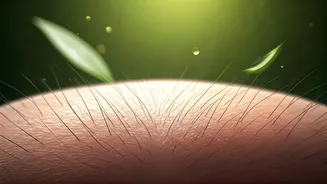
share their hair loss concerns, moving the topic from a private worry to a mainstream conversation. [14] This heightened awareness, however, comes with a downside. The flood of information, not all of it accurate, can amplify stress and anxiety, which can ironically contribute to stress-induced shedding, a condition known as telogen effluvium. [8, 10] Yet, this widespread discussion has a silver lining. It has pushed consumers in India and globally to look beyond temporary fixes and address the root of the problem, quite literally. [19] The consensus is growing: healthy hair can only grow from a healthy scalp. [17]
The 'Skinification' of Hair Care
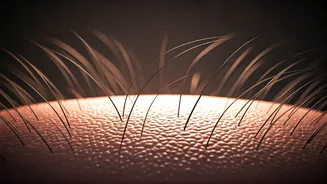
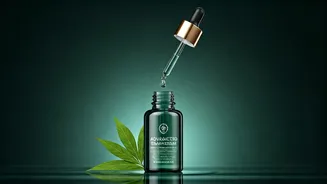
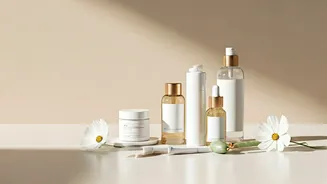
Enter the era of 'skinification'. This trend involves applying the principles of skincare to your scalp and hair. [5] Think about it: your scalp is skin, an extension of your face, but with a higher density of follicles and oil glands. [13] It faces daily aggressors like pollution, product buildup, and hard water, especially in the Indian context. [19] The skinification movement treats the scalp with the same precision once reserved for facial routines. [4] Brands are now launching scalp serums, exfoliants, masks, and cleansers formulated with hero skincare ingredients. [2, 11] This isn't just a fad; it's a structural shift in how we approach hair wellness, with consumers who use actives on their face now demanding them for their scalp. [15]
Your New Scalp Care Toolkit
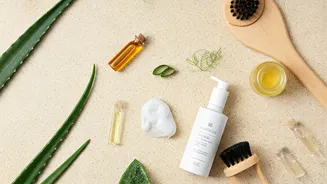
The new scalp care shelf is borrowing heavily from the skincare aisle. Ingredients like salicylic acid, a beta-hydroxy acid (BHA), are used in scalp scrubs to exfoliate and remove dead cells and product buildup, unclogging follicles. [5, 13] Hyaluronic acid, a celebrated humectant, is being used to hydrate a dry scalp, while niacinamide helps regulate oil production and strengthen the scalp's protective barrier. [4, 15] Peptides, ceramides, and even stem cell actives are also making their way into targeted scalp treatments. [7, 15] This approach moves beyond simply washing hair to creating a balanced scalp microbiome—the ecosystem of healthy bacteria that protects against irritation and dandruff, which can contribute to hair fall. [9, 17] Even traditional Indian ingredients like amla and hibiscus, known for their nourishing properties, are being incorporated into modern, science-backed formulations. [6]
Beyond Products: Rituals and Professional Help
A dedicated scalp care routine isn't just about the products you use; it's also about your habits. Gentle but thorough cleansing is key to removing sweat, oil, and grime without stripping the scalp. [16] Incorporating a scalp massage can help improve blood circulation, which ensures essential nutrients reach the hair follicles. [17] However, experts warn against blindly following viral DIY trends like using undiluted essential oils or harsh scrubs, which can cause irritation and worsen hair loss. [8, 9] While a proactive routine is beneficial, persistent or excessive hair fall requires professional attention. Hair loss can be a symptom of underlying issues like hormonal imbalances, nutritional deficiencies, or medical conditions such as alopecia. [27, 28] A trichologist or dermatologist can perform a proper diagnosis through examinations and blood tests to create a personalized treatment plan. [23, 29] This might include medicated treatments, dietary changes, or advanced procedures like Platelet-Rich Plasma (PRP) therapy. [25]