





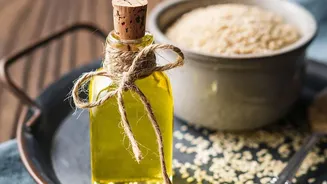

Understanding 'Cold-Pressed' or 'Kachi Ghani'
The term 'cold-pressed' refers to a method of oil extraction where seeds or nuts are crushed at low temperatures, without using high heat or harsh chemicals. This traditional technique, often called 'kachi ghani' in India, uses a wooden or metal press to extract the
oil mechanically. The key advantage is that this gentle process helps the oil retain its natural flavour, aroma, nutrients, and antioxidants, which are often lost during the high-heat industrial refining process. Think of it as the difference between fresh juice and a processed, sweetened beverage. These oils are unrefined, preserving their original character and nutritional integrity.
Mustard Oil: The Pungent Powerhouse
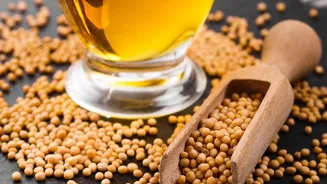
Known for its sharp, pungent aroma and robust flavour, cold-pressed mustard oil is a cornerstone of North and East Indian cooking. Its distinctive taste comes from a compound that is also found in wasabi and horseradish. When choosing a bottle, look for a deep golden or rich amber colour and that signature sharp smell. Good quality oil shouldn't smell rancid. Mustard oil is a staple in Bengali cuisine for dishes like 'Shorshe Ilish' (hilsa in mustard sauce) and drizzled raw over preparations like 'jhalmuri'. It is also the traditional choice for making pickles across India due to its natural preservative properties. In Punjabi and Bihari kitchens, it's used for everything from 'sarson ka saag' to 'litti chokha'.
Sesame Oil: The Soul of the South
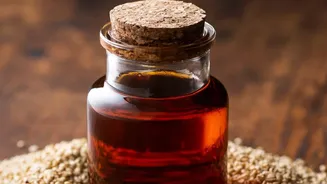
Known as 'til ka tel' or 'gingelly oil', cold-pressed sesame oil is cherished in South India for its earthy, nutty flavour. When selecting, opt for a light, pale yellow to golden-coloured oil with a pleasant, nutty aroma. This is different from the dark, toasted sesame oil used as a finishing oil in East Asian cuisine. In Tamil Nadu, Andhra Pradesh, and Karnataka, it's the go-to oil for tempering spices for sambar and rasam, mixing with 'idli podi' to create a dip, and preparing flavourful rice dishes like 'ellu sadam'. Its warming nature also makes it a favoured oil in Ayurveda for practices like oil pulling and massage.
Groundnut Oil: The Versatile Staple
Cold-pressed groundnut oil, or peanut oil, is celebrated for its mild, nutty flavour and versatility, making it a favourite in Western and Southern India, particularly in Gujarat, Maharashtra, and Tamil Nadu. A good quality oil will be pale yellow with a subtle nutty fragrance. Unlike the strong character of mustard oil, groundnut oil doesn't overpower the other ingredients in a dish. It has a relatively high smoke point, which makes it an excellent choice for various cooking methods, including deep-frying snacks like samosas and vadas, as well as for everyday sautéing and tempering. It forms the base for many traditional Maharashtrian snacks and Gujarati vegetable preparations.
A Quick Guide to Buying and Storing
When you're at the store, there are a few simple things to look for. First, check the label for terms like "cold-pressed," "wood-pressed," or "kachi ghani." Also, check for certifications like FSSAI to ensure the product meets quality standards. Since these oils are sensitive to light and air, it's best to choose those packaged in dark glass bottles or other opaque, airtight containers. Always check the manufacturing date to ensure you're buying a fresh batch. Once opened, store your cold-pressed oils in a cool, dark cupboard away from direct sunlight to prevent them from turning rancid and to preserve their flavour and nutritional benefits.