


An Icon's Sunset
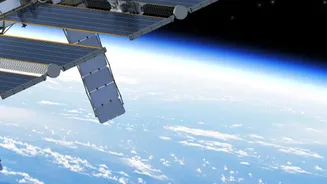
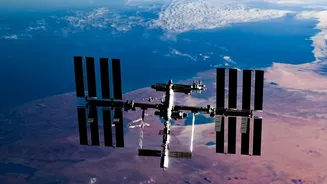
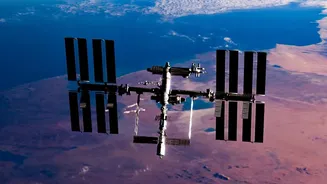
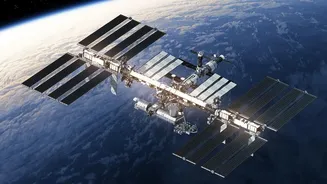
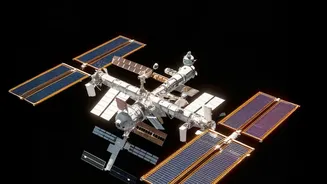
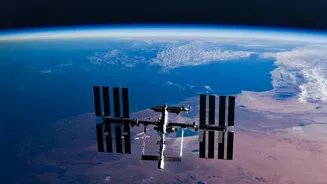
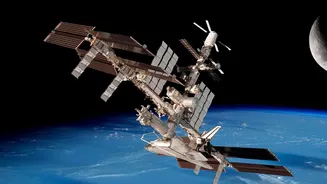
The International Space Station (ISS) is a monumental achievement in global cooperation and engineering, having been continuously inhabited since November 2000. However, after three decades of service, the station is showing its age. Structural fatigue
and rising maintenance costs, which run NASA about $3 billion annually, have made its long-term operation unsustainable. As a result, NASA and its international partners plan to deorbit the ISS around 2030-2031. The procedure will involve a controlled reentry into a remote area of the Pacific Ocean, often called the “spacecraft cemetery,” guided by a specially developed deorbit vehicle from SpaceX.
NASA's Pivot to a New Model
Instead of building another government-owned station, NASA is shifting its strategy. Through the Commercial Low Earth Orbit Destinations (CLD) program, the agency is funding private companies to build their own space stations. The goal is for NASA to become just one of many customers in a thriving low-Earth orbit (LEO) economy, purchasing services like astronaut time and research capacity. This pivot mirrors the successful Commercial Crew and Cargo programs that now use private companies like SpaceX to transport astronauts and supplies to the ISS. By turning over LEO operations to the private sector, NASA aims to save money and focus its resources on more ambitious deep-space exploration goals, such as the Artemis program to return humans to the Moon.
The Race to Build the Future
Several companies are now in a race to build the first generation of private space stations, each with unique designs and business plans. This transition hasn't been without turbulence; in early 2026, NASA briefly considered a plan to build a government core module before industry feedback led the agency to reaffirm its commitment to a fully commercial path. The primary contenders in this new market are backed by a mix of NASA funding and significant private investment, all aiming to have their platforms operational before the ISS is retired to avoid a gap in U.S. human presence in orbit.
Meet the New Neighbors in Orbit
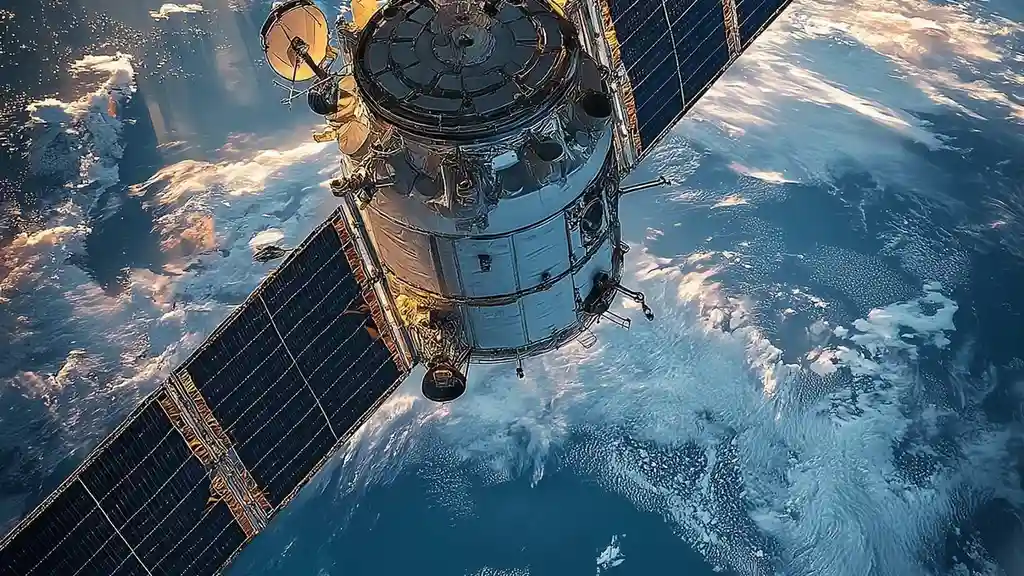
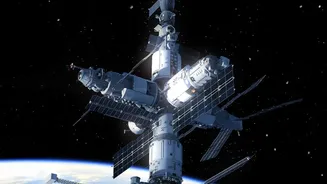
Axiom Space is taking a phased approach, planning to first attach its commercial modules to the ISS starting around 2027 before detaching to become a free-flying station. Having already conducted multiple private astronaut missions to the ISS, Axiom has significant operational experience. Another key player is Starlab, a joint venture between Voyager Space and Airbus, which is developing a single large module designed for research and manufacturing. Starlab is planned for a single launch on a Starship rocket around 2029. Vast, a newer entrant, is moving quickly with its Haven-1 station, a smaller, single-module habitat. The company is targeting a launch in early 2027, with the first crewed mission to follow. Finally, Orbital Reef, a concept from Blue Origin and Sierra Space, envisions a “mixed-use business park” in space with modules for research, industry, and tourism, though its development timeline has been less public.
A New Economy Above the Clouds
The transition to commercial space stations is about more than just replacing an old facility. It’s about creating an entirely new economic frontier in low-Earth orbit. These new platforms will cater not only to national space agencies but also to a diverse range of customers. This includes pharmaceutical companies conducting microgravity research, manufacturers developing novel materials, media companies filming in a unique environment, and even space tourists. Companies like Vast and Starlab are already signing agreements with international space agencies and research partners, signaling a broad customer base. The success of these commercial outposts could unlock a vibrant orbital economy, lowering the cost of access to space and sparking innovation in unforeseen ways.