

Living with diabetes doesn't mean giving up desserts entirely. The secret to enjoying a sweet treat lies in smart choices, focusing on two key factors: the size of your portion and the total amount of carbohydrates.
Why Portion Size Is Everything
The most important rule for enjoying
desserts with diabetes is to control the portion size. Even a 'diabetic-friendly' dessert can cause a blood sugar spike if eaten in large quantities. This is related to the concept of glycemic load (GL), which considers both the type and the amount of carbohydrate in a food. A small portion of a treat has a much lower GL and is less likely to disrupt blood sugar levels. Think of it as quality over quantity. A few satisfying bites are better than a large serving that you might regret later. Simple tricks like using smaller bowls or plates, or sharing a dessert when eating out, can make a huge difference.
Understanding Total Carbohydrates
It’s not just about 'sugar'. When managing diabetes, you need to look at the 'total carbohydrates' in a food, which includes sugars, starches, and fibre. Starches, found in ingredients like white flour (maida) and rice, also break down into glucose and raise blood sugar levels. Reading nutrition labels or looking up recipes to understand the carb count is crucial. Aiming for desserts that are around 15 to 30 grams of carbohydrates per serving is a good general guideline, but this can vary based on individual needs. Remember to account for this in your daily meal plan, perhaps by swapping it for another carbohydrate you would have eaten.
Embrace the Goodness of Fruits
Fruits are nature's candy and can be an excellent base for a diabetic-friendly dessert. A simple fruit chaat (without added sugar), a bowl of mixed berries, or a baked apple with a sprinkle of cinnamon can be very satisfying. Fruits provide fibre, which helps slow down the absorption of sugar. However, portion control is still key. Stick to one small serving, like a small apple or one cup of melon or berries. Be mindful that fruit juices and dried fruits are much more concentrated in sugar and should be consumed in very limited quantities.
Yoghurt and Curd-Based Treats
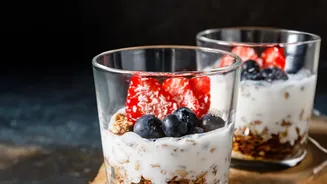
Plain dahi (curd) or Greek yoghurt (hung curd) is a fantastic, high-protein base for a creamy dessert. You can create a simple parfait by layering yoghurt with a few berries and a sprinkle of nuts. For a more traditional Indian dessert, a small portion of Shrikhand can be prepared using hung curd and a sugar substitute like stevia, flavoured with cardamom and saffron. The protein in the yoghurt helps to slow down sugar absorption, making it a more stable choice for blood sugar management.
Smart Swaps in Traditional Mithai
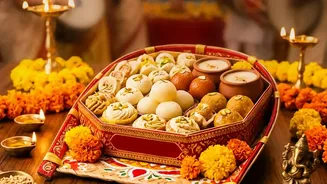
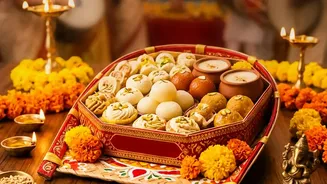
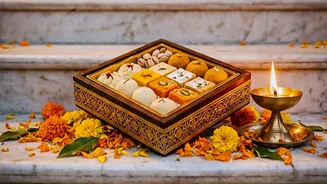
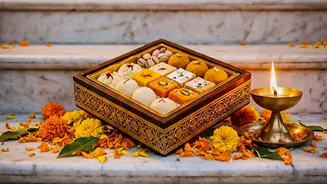
Many traditional Indian sweets can be adapted to be more diabetes-friendly. For instance, kheer can be made with alternatives like makhana (fox nuts), chia seeds, or oats instead of rice to lower the carbohydrate load. Ladoos can be made with besan (gram flour) or ragi (finger millet) flour and sweetened with dates or a sugar substitute. While these versions are healthier, they are not carb-free. A single, small ladoo or a small bowl of kheer should be considered a special treat. The rule of portion size remains paramount.
Nuts, Seeds, and Dark Chocolate
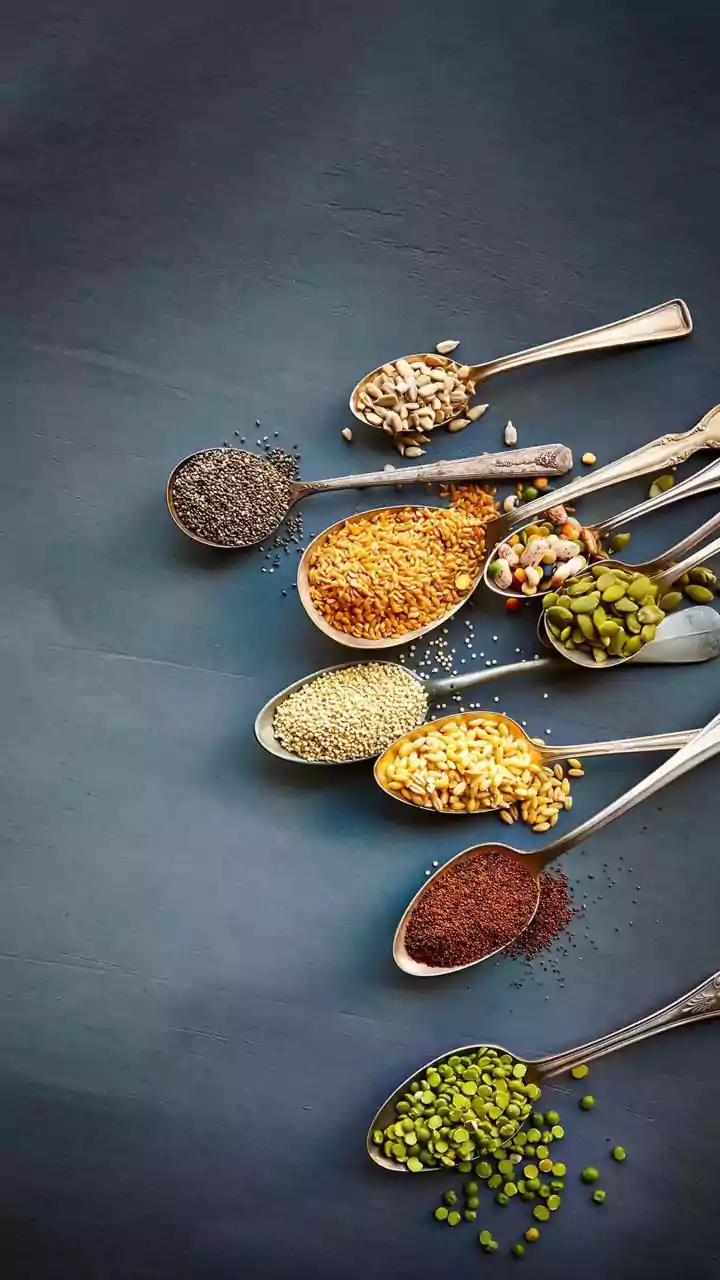
For a quick and easy treat, a handful of nuts and seeds or a small square of dark chocolate (70% cocoa or higher) can be a great choice. Desserts like date and nut rolls offer natural sweetness without added sugar. Nuts and dark chocolate also provide healthy fats and protein, which promote satiety and have a minimal impact on blood sugar when consumed in moderation. These are energy-dense foods, so be mindful of the small serving size to manage calorie intake as well.