
From Poha to Puttu: A Return to Roots
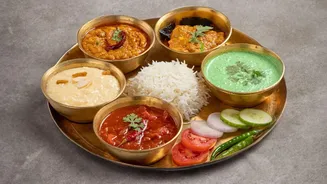
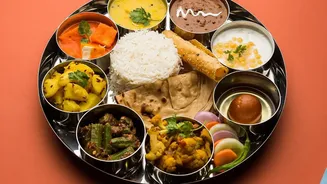
Across India's urban centres, a quiet revolution is unfolding on the breakfast table. After a period where processed foods and Western-style options gained prominence, people are increasingly turning back to traditional, regional morning meals. Dishes
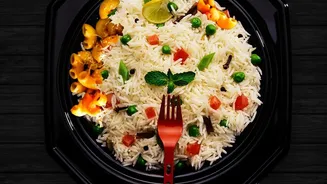
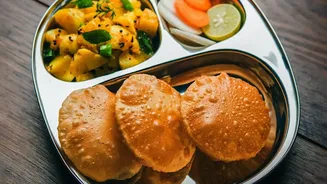
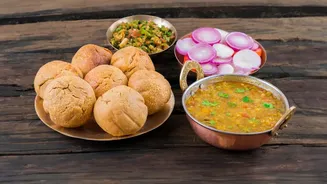
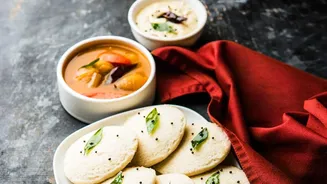
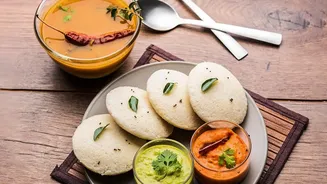
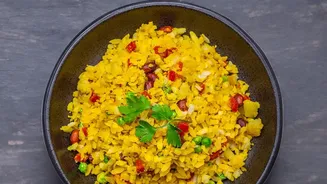
once primarily enjoyed in their home states are finding new appreciation nationwide. Think of Maharashtra's light and savoury poha, Tamil Nadu's soft idlis served with sambar, Kerala's delicate appams, and Gujarat's steamed dhokla. This isn't just about nostalgia; it’s a conscious choice. Before packaged bread became a default, mornings began with meals made from local ingredients like rice, millets, and lentils. This revival signifies a broader shift away from a standardised diet towards one that celebrates India's immense culinary diversity.
The Search for Health and Authenticity
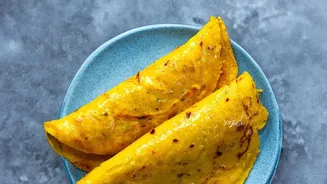
Two major drivers are fuelling this breakfast renaissance: health and authenticity. Many traditional Indian breakfasts are naturally nutritious. Fermented dishes like idli are excellent for gut health, while millet-based meals such as ragi porridge are rich in calcium and fibre. Savoury pancakes made from moong dal, known as chilla, offer a great source of plant-based protein. In an era of growing health consciousness, these time-tested recipes provide a compelling alternative to processed foods. Simultaneously, there's a growing desire among younger generations to connect with their heritage. In a globalised world, enjoying a hyper-regional dish is a way of reclaiming a piece of one's identity, a taste of home that feels both authentic and meaningful.
How Technology Is Serving Tradition
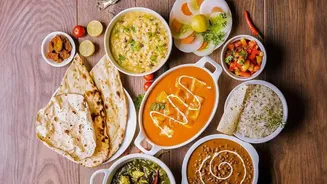
Ironically, modern technology is a key enabler of this return to tradition. Social media platforms and food bloggers have played a huge role in showcasing regional delicacies, making dishes from Assam or Rajasthan accessible to someone in Mumbai. More importantly, the rise of food delivery apps and cloud kitchens has been a game-changer. These delivery-only kitchens can operate with lower overheads, allowing them to focus on niche cuisines. An entrepreneur can now launch a brand dedicated to authentic Bihari breakfast dishes or Malayali specialities, reaching customers across a city without the expense of a physical restaurant. This has made discovering and enjoying regional breakfasts more convenient than ever, especially for those in Tier-2 and Tier-3 cities.
The New Breakfast Economy
This trend has created new economic opportunities. Small entrepreneurs and home chefs are finding a market for their family recipes on delivery platforms. Established restaurants are also expanding their menus to include more diverse regional morning offerings, moving beyond the standard North-South Indian breakfast staples. Even packaged food companies are taking note, developing ready-to-cook mixes for dishes like poha and upma that offer convenience without sacrificing traditional flavour. The market is responding to a clear consumer demand: a breakfast that is healthy, flavourful, and rooted in Indian culture, but also fits into a modern, busy lifestyle.