





The Search for an Antidote to Burnout
For many young Indians, life is a high-pressure cycle of academic deadlines, competitive job markets, and the constant connectivity of digital life. This relentless pace is leading to widespread burnout. Travel is no longer just a luxury; it has become
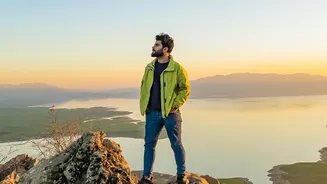
a necessary coping mechanism. Recent travel trends show a surge in spontaneous, short getaways, often booked impulsively in response to stress. Nature experiences, in particular, offer a powerful antidote. Getting away to the mountains or a quiet beach provides a much-needed mental reset, allowing young people to disconnect from the pressures of their daily routines and recover from exhaustion. This isn't about escaping life, but about finding the space to recharge and continue with it.
Trading Tourist Traps for Authenticity
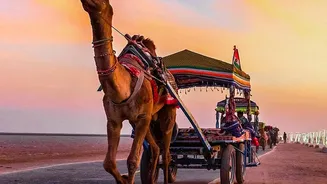
Gen Z is showing a clear preference for travel that feels personal and unique. They are rejecting pre-packaged tours and viral hotspots in favour of genuine cultural immersion. The goal is no longer to simply see a place, but to experience it. This means choosing homestays over hotels, exploring local cafes, and spending time in a single location to understand its rhythm. Reports indicate that for a vast majority of young travellers, the experience is more important than the destination itself. This shift is driven by a desire for authenticity—to form real connections with people and places, support local economies, and come back with stories, not just photographs.
The Rise of the Conscious Traveller
A growing awareness of climate change and the negative impacts of overtourism is shaping Gen Z's travel decisions. A significant majority of young Indian travellers express a desire to travel more sustainably. This translates into practical choices: seeking out eco-friendly accommodations, using public transport, and actively avoiding overcrowded destinations. The principles of slow travel align perfectly with this eco-conscious mindset. By staying in one place for longer, travellers reduce their carbon footprint and contribute more meaningfully to the local community. It is a more responsible way to explore, ensuring that the beautiful destinations they visit are preserved for future generations.
Adventures That Don't Break the Bank
While driven by values, this trend is also practical. For a generation navigating student loans and the start of their careers, budget is a major consideration. Slow travel is often more affordable than fast-paced tourism. Opting for offbeat destinations means lower prices for accommodation, food, and activities. Staying in a place for a week or a month can be significantly cheaper than hopping between cities and paying for frequent flights or trains. This economic pragmatism allows young Indians to travel more often and for longer periods, maximising their experiences without financial strain. It proves that meaningful adventure doesn't have to come with a luxury price tag.
Redefining the 'Instagrammable' Trip
Social media has long influenced travel, but the aesthetic is changing. While the perfectly posed photo at a famous monument still exists, a new visual currency is on the rise. Today’s aspirational travel content often features serene landscapes, cosy homestay interiors, and candid moments of connection. Reels showcasing remote waterfalls, train journeys, or quiet mornings in the mountains are sparking a different kind of travel desire. Gen Z is using social media not just to broadcast, but to discover these hidden gems. This creates a feedback loop where the demand for slow, nature-based travel is amplified, inspiring more people to seek out quiet corners of the country and share their own authentic experiences.