



What Exactly Is Damask?
Before you can use it, it helps to know what it is. Damask is not just a print; it's a weaving technique that originated in China as far back as 300 B.C. and gets its name from Damascus, the Syrian city that was a major trading hub on the Silk Road. Traditionally,
the pattern is created by contrasting a glossy, satin-woven background with matte, duller threads, often in a single colour. This creates a subtle, reversible design that catches the light in different ways. The most recognizable motifs are symmetrical, swirling patterns featuring leaves, feathers, and florals. While originally woven from silk for royalty, the invention of the Jacquard loom in the 19th century made damask more accessible, and today it's available in a variety of materials and modern interpretations.
Start with a Statement Wall
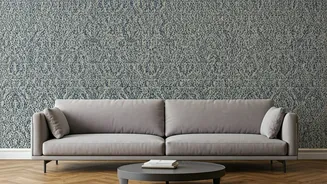
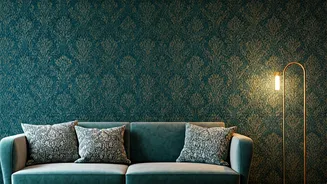
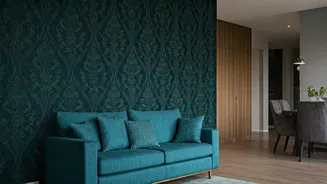
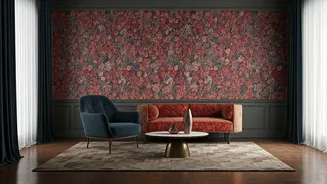
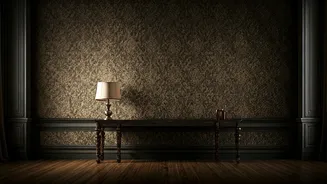
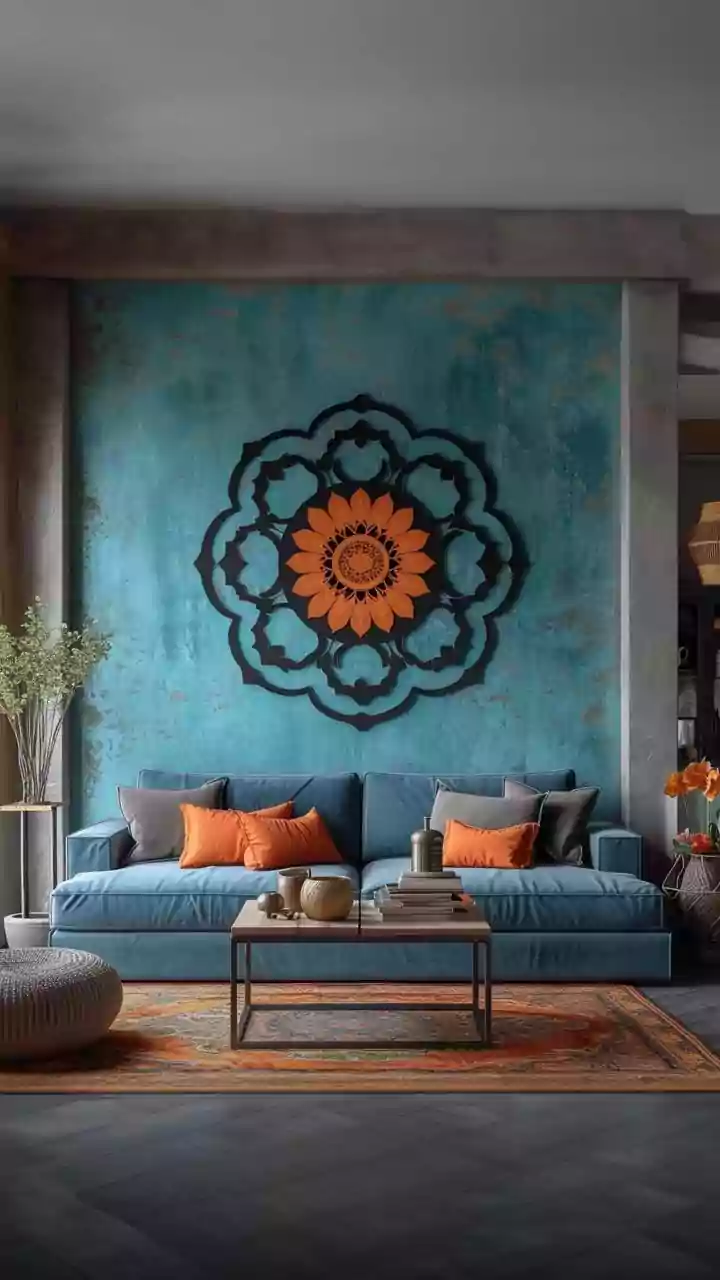
One of the most impactful ways to use damask is on a feature wall. It’s a bold move that instantly adds a layer of luxury and depth. For a classic look, choose a traditional floral damask wallpaper in a single colour with two subtle shades. This works beautifully in older homes or in rooms where you want a timeless feel. To avoid overwhelming the space, apply the wallpaper to a single wall, such as behind your bed or sofa, to create a natural focal point. The other walls should be painted in a solid, complementary colour to let the pattern shine. For a more contemporary take, look for damask wallpapers with metallic accents or in bold, unexpected colours, which can add a glamorous, modern twist.
Upholster with Intention
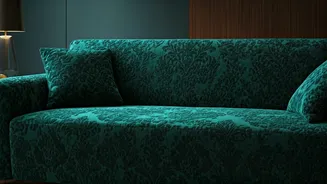
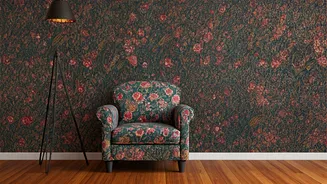
If wallpaper feels too permanent, damask upholstery offers a fantastic alternative for introducing the pattern. A single piece of furniture, like an armchair, a headboard, or a set of dining chairs, can become a room's centrepiece when covered in damask. Because furniture fabric needs to be durable, upholstery-grade damask is typically a heavier, thicker weave. The key to success here is balance. If you opt for a damask-covered sofa, keep the surrounding chairs and decor relatively simple and in solid colours drawn from the pattern. This prevents the room from feeling chaotic and allows the intricate design of the damask to stand out as a deliberate, artistic choice.
Incorporate Smaller Accents
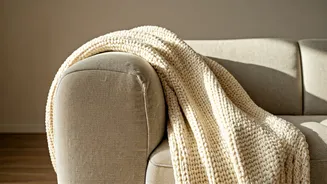
For those hesitant to commit to a large-scale application, damask accents are the perfect solution. They provide that touch of drama and elegance without dominating the room. Think about textiles that are easy to swap out, such as throw pillows, curtains, a table runner, or even a plush area rug. These smaller pieces allow you to play with the pattern on a manageable scale. A pair of damask curtains can frame a window beautifully, while a few throw pillows on a neutral sofa add a pop of sophisticated pattern. Even a decorative vase with a damask motif can introduce the pattern in a subtle, stylish way. These accents can be mixed with other textures like velvet or linen to create a rich, layered look.
Modern Rules for a Classic Pattern
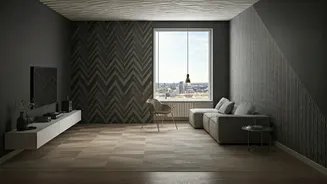
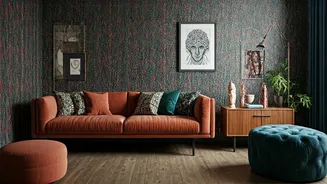
While damask has ancient roots, it feels right at home in modern interiors. Contemporary designers are reinterpreting the pattern with oversized scales, unconventional colour pairings like fuchsia and olive green, and gothic-inspired dark palettes. To make it work in a modern setting, pair a bold damask wallpaper with clean-lined, contemporary furniture. Don’t be afraid to mix it with other patterns, like simple stripes, as long as you stick to a cohesive colour palette of three or so main hues to maintain harmony. The main rule is to avoid using more than one large, bold 'hero' pattern; let the damask be the star and support it with less busy designs and solid colours. This ensures the look is curated and intentional, not cluttered.